Find a Depression Therapist in Missouri
This page lists therapists who specialize in depression across Missouri, including options in Kansas City, Saint Louis, and Springfield. Browse the profiles below to compare experience, approaches, and availability to find a good match for your needs.










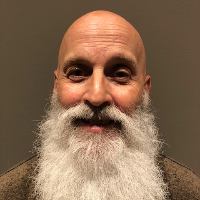
Timothy Klopfenstein
LPC
Missouri - 25 yrs exp











How depression therapy works for Missouri residents
If you are considering therapy for depression in Missouri, it helps to know what the process often looks like. Your first session is typically an assessment where the therapist will ask about your current symptoms, personal history, medical background, and any treatments you have tried. That information guides a treatment plan that reflects your goals, whether you are looking to manage daily symptoms, improve relationships, address underlying trauma, or build coping skills for stressful life changes. Therapy is collaborative - you and your therapist work together to choose approaches and adjust them as progress is made.
Therapists in Missouri use a range of evidence-informed approaches. Cognitive-behavioral methods focus on identifying and changing patterns of thinking and behavior that contribute to low mood. Interpersonal approaches center on relationships and social roles that affect how you feel. Mindfulness-informed therapies and behavioral activation can help you re-engage with meaningful activities. The style and pace vary, and part of finding the right fit is finding a clinician whose training and personality match your needs.
Finding specialized help for depression in Missouri
Depression can look different depending on your age, background, and life circumstances, so seeking a therapist with relevant experience can make a difference. If you are a new parent dealing with postpartum mood changes, you may benefit from a clinician who focuses on perinatal mental health. Teenagers and young adults often respond well to therapists who specialize in adolescent development and family dynamics. Veterans and first responders may prefer clinicians with training in trauma and reintegration. In larger metro areas like Kansas City and Saint Louis, you will often find clinicians who list these specialty areas on their profiles.
Language and cultural responsiveness are important as well. Missouri has diverse communities in cities like Springfield, Columbia, and Independence, and some therapists offer multicultural competence or bilingual services. When you read profiles, look for mention of populations they have worked with and whether they have training that aligns with your identity or experience. You can also seek referrals from primary care providers, campus counseling centers, employee assistance programs, or local community organizations that understand regional needs.
What to expect from online therapy for depression
Online therapy is a common option for people across Missouri, including those in rural areas where in-person access may be limited. With online sessions you can meet with a therapist by video or sometimes by phone, which reduces travel time and can make it easier to fit care into a busy schedule. Expect the initial assessment to cover similar topics as in-person care, and for your therapist to discuss boundaries, session length, fees, and how to handle emergencies in your area.
Online therapy works well for many people, especially when consistent engagement and homework between sessions are part of the plan. It may not be the right fit if you need hands-on medical care or immediate in-person crisis support, but for ongoing talk therapy and skills-building it can be very effective. If you live in a smaller Missouri town, online options can expand the range of clinicians you can access, allowing you to find someone with the exact training or approach you prefer without being limited by geography.
Common signs that someone in Missouri might benefit from depression therapy
You might be considering therapy if you notice persistent low mood that lasts for weeks or months and affects your day-to-day functioning. Trouble getting out of bed, loss of interest in activities you once enjoyed, changes in appetite or sleep, or difficulty concentrating at work or school are common indicators. You may also experience increased irritability, social withdrawal, feelings of worthlessness, or recurring thoughts about death or harm. These signs are not a moral failing - they are signals that support and a structured approach to treatment could help you feel better.
Life events can trigger or worsen depressive symptoms, and living situations specific to Missouri - such as farming stress in rural counties or financial strain in urban neighborhoods - can shape how depression shows up. If your mood is interfering with your relationships, parenting, studies, or job performance, making time to talk to a professional is a practical step. If you have thoughts of harm to yourself or others, it is critical to seek immediate help from local emergency services or crisis resources.
Tips for choosing the right therapist for depression in Missouri
Choosing a therapist is a personal decision and several practical considerations can help you narrow options. Start by checking credentials and licensure to confirm the clinician is authorized to practice in Missouri. Read profile descriptions to learn about their therapeutic approaches and populations served. If modality matters to you - for example cognitive-behavioral therapy, interpersonal therapy, or trauma-informed care - prioritize clinicians who list that work as a focus. You can often request a brief initial phone call or consultation to get a sense of their style and whether you feel comfortable talking with them.
Think about logistical details that will affect your ability to keep appointments. Consider whether you need evening or weekend availability because of work or school, and whether the clinician accepts your insurance or offers sliding scale fees. If you prefer in-person sessions, look for providers near major hubs like Kansas City or Saint Louis where transportation options are more plentiful. If you rely on telehealth, verify that the therapist provides services to your Missouri county and ask about the platform they use and any technical requirements.
Trust your instincts about fit. It is normal to have a few sessions to determine whether a therapist's approach and personality work for you. If you do not feel heard or your needs are not being met, it is acceptable to discuss concerns or to look for another provider. Good therapeutic relationships are built on collaboration, mutual respect, and clear communication about goals and progress.
Local resources and next steps
When you are ready to begin, use the listings above to compare clinicians by training, specialties, and availability. If cost is a concern, look for therapists who mention reduced fees or community mental health centers in your region. University counseling clinics can be another route to care, and many community organizations run support groups or workshops that complement individual therapy. If you live near Springfield, Columbia, Independence, or the larger metro areas, you may find programs specifically tailored to students, veterans, or older adults.
Starting therapy is a step toward managing symptoms and improving your daily life. Whether you choose in-person care in a local office or connect with someone online, prioritize finding a clinician who listens, respects your experience, and works with you to build practical skills. Use the profiles on this page to reach out, ask a few questions, and set up an initial conversation. Taking that first step can open the door to consistent support and clearer direction as you work through depression.