Find a Forgiveness Therapist in Missouri
This page highlights therapists in Missouri who focus on forgiveness and healing. Browse the listings below to find professionals serving Kansas City, Saint Louis, Springfield, Columbia, Independence and surrounding communities.

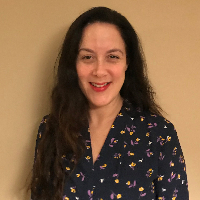



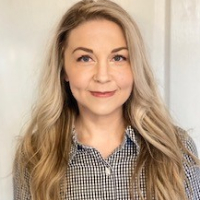
Sarah Williams
LCSW
Missouri - 7 yrs exp












How forgiveness therapy can help you in Missouri
If you are carrying anger, resentment, or a sense of being wronged, forgiveness-focused therapy can provide a path forward that fits your life in Missouri. Forgiveness work is not about forcing you to forget or to minimize what happened. It is about helping you process the emotions tied to an event or relationship so that those feelings stop dictating your day-to-day choices. Therapists trained in this specialty often blend approaches such as cognitive-behavioral methods, emotion-focused techniques, narrative work, and trauma-informed care to support you in understanding the impact of an injury and in building new ways of relating to the past.
Because Missouri includes both urban centers and rural communities, the way you access forgiveness therapy may vary. In larger cities like Kansas City and Saint Louis you may find a wide range of clinicians who advertise specific forgiveness programs, group options, and workshops. In more rural counties or smaller towns, therapists may integrate forgiveness work into broader trauma, grief, or relational counseling. No matter where you live in the state, the aim is to give you tools to reduce ongoing reactivity, restore a sense of agency, and make choices that align with your values.
What forgiveness therapy typically looks like
When you begin forgiveness therapy, the early sessions usually focus on your story - what happened, how it affected you, and what you want to change. A therapist will help you name the emotions involved and may teach skills for managing intense feelings when they arise. You might work on reframing unhelpful thoughts, practicing new interpersonal boundaries, or experimenting with small behavioral shifts to test what helps you feel more at ease. Some clinicians include letter-writing exercises - unwritten or shared - and structured dialogues as ways to express thoughts and move toward resolution without feeling pressured to reconcile with the other person.
Treatment is not a one-size-fits-all prescription. For some people, forgiveness becomes a gradual internal process that reduces distress and improves relationships. For others, forgiveness may be a decision you make in private that allows you to let go of the desire for revenge or constant rumination. Your therapist will help you define outcomes that matter to you, whether that looks like greater emotional freedom, improved family dynamics in a place like Springfield, or simply fewer intrusive memories.
Finding specialized help for forgiveness in Missouri
Locating a therapist who explicitly lists forgiveness as an area of focus can make the work feel more efficient and personalized. When you search for options in Missouri, look for clinicians who describe experience with related areas such as trauma recovery, grief counseling, relationship therapy, or faith-sensitive care if that is important to you. In metropolitan areas - Kansas City, Saint Louis, and Springfield - you are likely to encounter clinicians who offer distinct forgiveness programs and who can draw on multidisciplinary tools. In smaller communities, you may find seasoned clinicians who incorporate forgiveness into longer-term psychotherapy.
Licensing and training matter when you want a clinician who understands both technique and ethics. Therapists in Missouri may hold credentials such as Licensed Clinical Social Worker, Licensed Professional Counselor, or psychologist. Many clinicians continue education in specific forgiveness interventions, trauma-informed approaches, or culturally responsive care. If cultural or spiritual dimensions of forgiveness are relevant to you, consider seeking a therapist who references experience working with your faith tradition or cultural background.
What to expect from online therapy for forgiveness
Online therapy has expanded access for people across Missouri, including residents in rural counties where local options may be limited. When you choose virtual sessions, you can maintain continuity with a therapist who understands your forgiveness goals while living miles away from their office. Online work typically involves video sessions that mirror in-person therapy, along with optional phone check-ins, emailed worksheets, or text-based messaging for brief reflections between appointments. You should expect a similar therapeutic structure - intake, goal-setting, skills practice, and progress review - with the convenience of connecting from home, a car between obligations, or a quiet office at work.
There are practical considerations to keep in mind. Make sure your internet connection and device support video calls, and choose a location where you can speak without interruption. If you live in a more populated area like Saint Louis or Kansas City, you may have the choice between in-person and online care. If you are farther out, online therapy may be the most practical way to access a clinician who focuses on forgiveness without long travel times.
Common signs you might benefit from forgiveness therapy
You may consider forgiveness therapy if you find that past events continue to influence your mood, relationships, or daily functioning. You might notice persistent anger that flares at unexpected times or recurring thoughts about a betrayal that make it difficult to trust or move forward. Some people experience repeated conflicts with the same person or patterns where old grievances resurface in new relationships. Others feel weighed down by avoidance - steering clear of reminders, conversations, or places that once felt safe.
Emotional exhaustion from carrying grudges can spill into work and family life. You might find that parenting feels heavier, or that your romantic partnerships stagnate because unresolved hurt is present. If religious or cultural values shape how you think about forgiveness, you could experience internal conflict between wanting to forgive and needing acknowledgment or accountability. In these cases, a therapist can help you clarify what forgiveness means to you and how to pursue it in ways that support your well-being and relationships.
Tips for choosing the right therapist in Missouri
Choosing a therapist is both practical and intuitive. Start by identifying what matters most to you - clinical training, experience with trauma, a therapist who understands regional culture, or someone who integrates spiritual perspectives. If you live near Kansas City, Saint Louis, or Springfield, you may request an initial consultation in person or online to gauge fit. During a first call, ask about the clinician's experience working with forgiveness, examples of techniques they use, and how they measure progress. Pay attention to whether you feel heard and whether the therapist can adapt methods to your personality and pace.
Consider logistics as well - session times, payment options, and whether they accept your insurance or offer sliding scale fees. If cultural connection is important, look for therapists who mention experience with Missouri communities and diverse backgrounds. Trust your instincts about rapport. Forgiveness work asks you to revisit painful material and try new emotional responses - having a therapist who helps you feel safe and understood will make a meaningful difference.
Moving forward in your own time
Forgiveness is a personal process and it rarely follows a straight line. Whether you are seeking help in Columbia, Independence, or in a rural town between Springfield and Kansas City, the right therapist can help you build skills to reduce the hold of past hurts and create a life that reflects your values. Use the listings above to explore clinician profiles, read about their approaches, and reach out for an introductory conversation. Taking that first step can open space for healing, clearer relationships, and more intentional choices about how you want to live in the present.