Find a Gambling Therapist in Missouri
This page connects you with therapists who specialize in gambling-related concerns across Missouri. You can browse clinician profiles, compare approaches, and reach out to find a good match.
Use the listings below to explore therapists offering in-person care in Missouri cities and online sessions that serve the state.





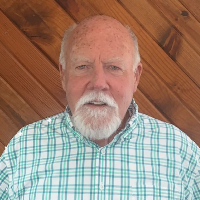

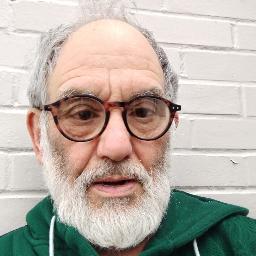
David Markowitz
LPC
Missouri - 35 yrs exp
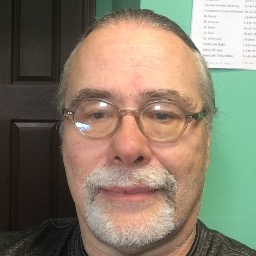



Steven Forsyth
LPC
Missouri - 25 yrs exp











How gambling therapy works for Missouri residents
If you are seeking help for gambling-related behavior in Missouri, therapy usually combines assessment, targeted intervention, and ongoing planning to help you reduce harm and regain control. Your therapist will begin by exploring how gambling fits into your life - what triggers it, how it affects relationships, work, and finances, and what goals you have for change. From there you and your clinician will select approaches that match your needs, whether that means short-term strategies for crisis management or a longer course of therapy focused on building resilience.
Therapists working with gambling concerns often draw on evidence-informed approaches that address thinking patterns, emotional triggers, and practical skills. You may work on identifying thoughts that lead to risky choices, learning to manage urges, setting limits, and creating a structured plan to handle high-risk situations. Financial planning and coordination with other supports are frequently part of the process so that therapy addresses the full impact of gambling, not just the behavior itself.
Finding specialized help for gambling in Missouri
When you look for a specialist in Missouri, you are likely to find clinicians with a range of backgrounds - licensed professional counselors, clinical social workers, marriage and family therapists, and addiction-focused clinicians. Some have additional training working specifically with gambling behaviors and related concerns. Ask about a therapist's experience with gambling-related cases, what kinds of interventions they use, and whether they collaborate with financial counselors or community resources when that would be helpful to you.
Geography matters for access and community context. Larger metropolitan areas like Kansas City and Saint Louis tend to offer more specialty clinicians and group programs, while places like Springfield, Columbia, and Independence may have a smaller number of specialists but strong community services and referral networks. If you prefer in-person sessions, search for therapists based in the city nearest you. If your local options are limited, many clinicians provide online sessions that can connect you with specialized expertise without a long commute.
What to expect from online therapy for gambling
Online therapy has become a practical option for many people in Missouri, especially when you want access to a clinician with specific experience in gambling issues. In an online session you will meet with a therapist via video, phone, or messaging, depending on the clinician's offerings. Expect an initial intake to cover your history, current concerns, and goals. Therapists will usually discuss boundaries, session frequency, and what to do between sessions if you experience strong urges or crises.
Online therapy can make it easier to keep appointments and to involve family members who live in different places. You can also continue care if you travel or relocate within Missouri. For some people the online format feels more comfortable when discussing financial or sensitive topics. When you choose online care, confirm practical details such as payment methods, whether your insurance is accepted, and how the therapist handles documentation and referrals if you need additional services like financial advising or intensive outpatient programs.
Common signs someone in Missouri might benefit from gambling therapy
You may be considering therapy because you or someone you care about is realizing gambling is causing trouble. Common signs that therapy could help include spending more time or money on gambling than intended, hiding the extent of gambling from friends or family, experiencing growing debt or missed bills, and feeling preoccupied with betting even when you want to stop. Relationship strain, difficulties at work or school, and legal problems related to gambling are also indications that professional help could be important.
Emotional changes such as increased anxiety, shame, or depression linked to gambling behavior are often part of the picture. You might notice that attempts to cut back have not lasted, or that you feel driven to gamble to chase losses. If these patterns resonate, seeing a therapist who understands gambling-related concerns can give you tools to manage urges, repair relationships, and address the financial and emotional fallout.
Tips for choosing the right therapist for this specialty in Missouri
Choosing a therapist is a personal decision. Start by clarifying what you want to achieve - reducing frequency of gambling, stopping entirely, improving relationships, or addressing co-occurring anxiety or mood issues. Look for a clinician who describes experience with gambling-related work and who can explain the strategies they commonly use. It is reasonable to ask about the therapist's experience with approaches such as cognitive behavioral therapy, motivational interviewing, relapse prevention, and family-involved work.
Consider practical factors like location and availability. If you live near Kansas City, Saint Louis, Springfield, Columbia, or Independence you may find in-person options with experienced clinicians. If you need flexible scheduling, evening or online sessions may be more manageable. Check whether the therapist accepts your insurance or offers a sliding scale if cost is a concern. Many clinicians will offer an initial consultation so you can assess whether their style fits your needs, and it is appropriate to use that time to ask how they measure progress and how long they expect treatment to last.
Compatibility is as important as credentials. You should feel heard and respected during the first few sessions. A good therapist will collaborate with you to set realistic goals and provide practical steps between sessions. If you are managing financial consequences, you may want a clinician who will coordinate with a financial counselor or refer you to community resources that can assist with budgeting and debt management.
Working with family and support systems
Gambling affects more than the person who gambles. Therapists often involve partners or family members in some sessions to rebuild trust, improve communication, and set healthy boundaries. You may also be directed to support groups and community resources in Missouri for people and families dealing with gambling harm. These supports can supplement therapy by offering shared experience and practical tips from others who have faced similar challenges.
When to seek urgent help
If gambling has led to safety concerns, threats of self-harm, or immediate legal or financial crises, it is important to seek urgent assistance through local emergency services or crisis hotlines that operate in Missouri. A therapist can help you plan for safety and connect you with resources that address urgent needs while also providing ongoing care for recovery and relapse prevention.
Practical next steps
Begin by reviewing profiles and reaching out to clinicians who list gambling-related experience. Use brief initial calls to ask about their approach, availability, and what early sessions typically involve. If you prefer in-person work, search by city to find therapists in Kansas City, Saint Louis, Springfield, or other communities. If you need more specialized care than you can find locally, online options can broaden your choices and connect you with a clinician who fits your goals.
Recovery and harm reduction are gradual processes that often combine therapy, support networks, and practical planning. By taking the first step to connect with a therapist, you are building a foundation for more controlled choices and improved well-being. When you are ready, reach out to a clinician in Missouri to discuss your situation and start a path that fits your life and goals.