Find a Grief Therapist in Missouri
This page lists grief therapists serving Missouri who focus on loss, bereavement, and life transitions. You will find profiles that describe each clinician's approach, locations, and appointment options. Browse the listings below to compare therapists and find one who matches your needs.











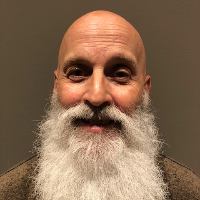
Timothy Klopfenstein
LPC
Missouri - 25 yrs exp









How grief therapy works for Missouri residents
Grief therapy is a guided process that helps you make sense of loss and develop coping strategies that fit your life. In Missouri, therapists blend a variety of approaches to meet the needs of people from different backgrounds - urban neighborhoods in Kansas City and Saint Louis, college towns like Columbia, suburban areas such as Independence, and more rural communities across the state. You can expect an initial conversation to focus on your current experience, the nature of the loss, and what you hope to get from therapy. From there the therapist will tailor sessions to your needs, drawing on evidence-informed methods and culturally sensitive practices.
Therapists who work with grief often use techniques that help you process emotions, reframe narratives, and rebuild routines. Sessions may include talk therapy, meaning-centered approaches, narrative work that helps you tell the story of your loss, and practical planning for anniversaries or triggers. Some clinicians add elements of mindfulness, somatic awareness, or skills training to help with sleep, concentration, and emotional regulation. The pace is set by you and the clinician together, with the goal of helping you move forward in ways that feel manageable and authentic.
Finding specialized help for grief in Missouri
When you begin looking for a grief therapist in Missouri, think about the type of experience that will matter most to you. Some people need a therapist with experience in sudden loss or traumatic bereavement, while others want someone who understands long-term illness, pregnancy loss, or the complexities of caregiving endings. You might prioritize clinicians who have additional training in grief-focused therapies, or those who have worked with particular communities, such as military families or faith-based groups. In larger cities like Kansas City and Saint Louis there tends to be a broader range of specialists and support groups, while smaller cities and towns may offer strong community-based resources and therapists who understand the local culture.
Consider also practical factors like whether you need evening appointments, weekend availability, or language options. If transportation is a concern in rural parts of Missouri, online sessions can increase access. Ask prospective therapists about their experience with different forms of loss and whether they offer individual, family, or group sessions. Group grief therapy can be a meaningful complement to individual work - it offers the chance to hear others' stories and feel less alone - while individual therapy allows for deeper personal exploration and tailored strategies.
What to expect from online therapy for grief
Online therapy has become a common way to access grief counseling across Missouri, offering flexibility for people in both urban and remote areas. If you choose online sessions, expect the first steps to include an intake conversation, a discussion of goals, and an explanation of how virtual sessions will be structured. Most therapists will offer video sessions that mirror face-to-face meetings, with opportunities for text-based messaging for scheduling or brief check-ins. You should be able to discuss boundaries, session length, and what to do if you feel overwhelmed between meetings.
Online work can be particularly helpful if you live far from specialty providers or have limited mobility. It also allows you to connect with therapists who have expertise that may not be available in your immediate area - for example, someone in Springfield who specializes in grief after suicide, or a clinician in Columbia experienced with bereavement following chronic illness. While online therapy is convenient, you may want to choose a therapist who is licensed to practice with clients in Missouri and who can explain how they handle emergencies or referrals to local resources when needed. Technology considerations are straightforward - a private room in your home or car, a stable internet connection, and a device with a camera and microphone will usually be enough to get started.
Common signs that someone in Missouri might benefit from grief therapy
Grief looks different for everyone, and there is no single timeline that fits all losses. You might consider seeking grief therapy if your grief interferes with daily responsibilities, if intense emotions persist longer than you expected, or if you find yourself withdrawing from relationships that you want to keep. Other signs include persistent trouble sleeping, difficulty concentrating at work or school, substance use that feels like an escape, or recurring intrusive thoughts about the loss. You may also notice that ordinary activities bring persistent numbness or that important dates and reminders trigger strong reactions that are hard to manage alone.
In Missouri, where community ties and family networks can be central, grief can also play out in social settings and traditions. You might find that cultural expectations around mourning make it hard to express what you need. A therapist can help you navigate those expectations while honoring your personal process. If your loss involved traumatic circumstances or compounded stressors, therapy can offer tools for emotional regulation, safety planning when needed, and connection to community resources such as bereavement groups, hospice support, and spiritual care providers.
Tips for choosing the right therapist for this specialty in Missouri
Choosing a grief therapist is a personal process and it helps to approach it with curiosity about fit rather than searching for perfection. Start by looking for clinicians who explicitly list grief or bereavement as a specialty and who describe the populations they serve. If you prefer a therapist with training in specific methods - such as complicated grief therapy, trauma-informed care, or family systems work - ask about that during an initial call. It is reasonable to inquire about experience with losses similar to yours, whether therapists have worked with diverse cultural or faith backgrounds, and how they structure bereavement work over time.
Logistics matter too. Confirm whether the therapist is licensed in Missouri and whether they offer sessions at times that fit your schedule. If you are considering in-person appointments, consider practicalities like office accessibility, parking, and transit - factors that can influence your ability to attend consistently. For those who prefer online work, ask about the therapist's approach to creating a safe setting for sessions and how they coordinate with local supports in Missouri if you need immediate assistance. Trust your instincts during the first few sessions - it is normal to try more than one therapist before finding someone who feels like a good match.
Local considerations across Missouri communities
Different parts of Missouri offer different resources and atmospheres for grief work. In larger urban centers like Kansas City and Saint Louis you may find a wide array of specialists, clinics, and targeted support groups. Springfield and Columbia often provide a mix of mental health professionals and community-based programs, and smaller towns can offer therapists who are deeply familiar with local customs and support networks. Wherever you live, consider calling local hospices, faith communities, or university counseling centers for referrals. These organizations can point you toward clinicians who understand the local landscape and the kinds of loss common in your area.
Moving forward with care
Seeking help for grief is a sign of strength and self-awareness. Therapy can offer a companionable path through some of the hardest parts of loss while equipping you with tools to rebuild meaning and connection. Whether you choose a therapist in Kansas City, Saint Louis, Springfield, Columbia, Independence, or via online sessions, take time to find someone whose approach and availability fit your life. The first step is often a single phone call or email, and it can open the way to steady support as you navigate grief on your own terms.