Find an Intimacy Issues Therapist in Missouri
This page lists therapists in Missouri who focus on intimacy issues, including clinicians offering in-person and online sessions. Browse the listings below to compare providers by location, specialties, and therapeutic approaches.








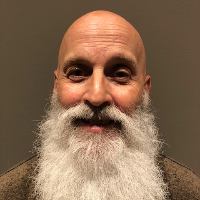
Timothy Klopfenstein
LPC
Missouri - 25 yrs exp

Sarah Williams
LCSW
Missouri - 7 yrs exp













How intimacy issues therapy works for Missouri residents
If you are seeking help with intimacy concerns in Missouri, therapy typically begins with an initial assessment in which a clinician asks about your relationship history, current concerns, and goals for therapy. That conversation helps the therapist recommend an approach - for example, couples work, individual psychotherapy, or a combination. Sessions often focus on improving communication, rebuilding trust, understanding patterns that affect closeness, and learning practical skills to reconnect. You and your clinician will set the pace together, and therapy can be short-term for a focused issue or longer-term for deeper relational patterns.
Finding specialized help for intimacy issues in Missouri
When you search for a therapist who understands intimacy, look for clinicians who list relationship dynamics, sexual concerns, attachment work, or couples therapy among their specialties. Many therapists have additional training in sex therapy, emotion-focused therapy, or trauma-informed approaches - credentials and training are usually listed on profiles so you can evaluate fit before reaching out. Geography matters if you prefer in-person visits, so consider clinicians in the parts of Missouri most convenient to you. Kansas City and Saint Louis each have well-established networks of clinicians offering specialized services, while Springfield and Columbia provide options for those in the southern and central parts of the state. If transportation or scheduling are challenges, online sessions can expand your choices across the state.
What to expect from online therapy for intimacy issues
Online therapy can be particularly useful for intimacy work because it allows partners to meet with a clinician from the same room or from separate locations when needed. You can expect video or phone sessions that mirror in-person appointments in structure - check-in, therapeutic work, and planning between sessions. Therapists will adapt exercises so they work remotely, guiding communication practices, role-plays, or mindfulness activities through the screen. Technology does not replace the relational focus, but it changes logistics - you may find scheduling easier and have access to therapists who are not in your immediate area. If you live outside major urban centers, online options can connect you with clinicians in Kansas City or Saint Louis without the commute.
Common signs that you might benefit from intimacy issues therapy
You might consider seeking help if you and your partner experience repeated arguments about closeness, if one or both of you avoid physical or emotional connection, or if past hurts keep resurfacing despite attempts to move forward. Other indications include a mismatch in sexual desire that causes distress, difficulties with trust after betrayal, or prolonged emotional distance that leads to feelings of loneliness within the relationship. If individual concerns such as anxiety, depression, or past trauma affect your ability to be close, therapy can help you understand how those issues intersect with intimacy. You do not need a crisis to benefit from therapy - many people choose to work with a clinician when they notice patterns that reduce satisfaction and want new skills to improve connection.
When to consider couples therapy versus individual therapy
If both partners are willing and safe to participate, couples therapy is often the most direct route to address relational issues because it provides a space to practice communication and negotiation with professional guidance. If one partner is not ready to attend or if personal issues like trauma or mental health symptoms are dominant, individual therapy can be a necessary first step. A clinician can help you assess whether joint work is appropriate and safe, and they can recommend a plan that includes individual sessions alongside couples work when needed. In cities such as Kansas City and Springfield, you can find clinicians who offer both modalities and who will help you decide what to pursue.
Tips for choosing the right therapist in Missouri
First, consider the therapist’s experience with intimacy-related concerns and the therapeutic approaches they use. Some clinicians emphasize emotion-focused techniques, others rely on cognitive-behavioral methods, and some have additional training in sex therapy or attachment-based models. Read provider profiles to understand their focus and look for information about experience with issues similar to yours. Next, think about logistics - whether you prefer in-person sessions or online meetings, what times work for you, and whether the therapist’s location is convenient if you choose to meet face to face. If you live near Saint Louis or Columbia, you may find a wider range of evening or weekend options; rural areas may require relying on telehealth for greater flexibility.
Questions to ask during an initial contact
When you reach out for an appointment, you can ask about the clinician’s approach to intimacy work, experience with your specific concerns, and typical session length. It is appropriate to ask about fees, sliding scale options, or insurance acceptance so you can make a practical decision. You may also want to ask how the therapist handles personal nature of sessions-related matters and whether they have experience with the cultural or identity issues that matter to you. A brief phone call or introductory email can give you a sense of the therapist’s style and whether you feel comfortable moving forward.
Preparing for your first sessions
Before your first session, reflect on what you hope to change and any specific incidents or patterns that are important for the clinician to know. If you are attending with a partner, agree on a few things you both want to address so the therapist can help set collaborative goals. Bring patience - early sessions are often assessment-focused and meant to build rapport. If you are meeting online, test your audio and connection in advance and choose a quiet, undisturbed location for the session. Whether you live in a busy urban area or a quieter community, having a comfortable environment where you can speak openly will help the work proceed effectively.
Resources and next steps in Missouri
As you explore listings on this site, pay attention to therapists who mention relevant training or certifications and who describe concrete ways they work with intimacy issues. If you are weighing options, consider scheduling initial appointments with two or three providers to compare fit before committing. Remember that the therapeutic relationship itself often predicts outcomes - if you do not feel heard or understood after a few sessions, it is reasonable to look for another clinician. Whether you live in Kansas City, Saint Louis, Springfield, or elsewhere in Missouri, taking the step to connect with a therapist can be the start of measurable changes in how you relate and feel close to others.
Final thoughts
Seeking help for intimacy concerns is a practical and hopeful choice. Therapy provides tools to improve communication, heal from setbacks, and build more satisfying emotional and physical connection. Use the listings above to compare clinicians by approach, location, and availability, and reach out when you are ready to begin. With the right fit and a clear plan, you can work toward healthier patterns of closeness that support both your individual well-being and your relationships.