Find a Porn Therapist in Missouri
Find licensed therapists across Missouri who focus on porn-related concerns, with profiles that describe specialties, approaches, and locations. Browse the listings below to compare clinicians and connect with those who best match your needs.





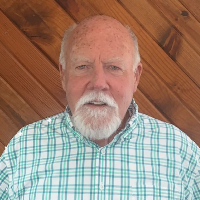


David Markowitz
LPC
Missouri - 35 yrs exp




Steven Forsyth
LPC
Missouri - 25 yrs exp












How porn therapy works for Missouri residents
If you are considering therapy for issues related to pornography, the process usually starts with an intake conversation where you and a therapist explore what brings you to care. You will talk about how porn use affects your daily life, relationships, work, and goals. A clinician will ask about patterns, triggers, and any co-occurring concerns such as anxiety, depression, or relationship stress so they can tailor a plan that fits your situation. Therapy is a collaborative effort - you and the therapist set goals together, whether that means reducing compulsive behaviors, improving communication with a partner, or addressing underlying emotions that drive certain patterns.
Therapists use a range of evidence-informed methods to address porn-related concerns, drawing on cognitive-behavioral strategies, mindfulness, motivational interviewing, and relational approaches when relationships are affected. For many Missouri residents, the work involves building skills to manage urges, identifying triggers, and developing healthier habits. In other cases, therapy focuses more on emotional regulation, intimacy, or healing from past experiences that contribute to current patterns. Progress can be gradual, and the pace is adjusted to what feels attainable and meaningful for you.
Finding specialized help for porn in Missouri
When you search for a specialist in Missouri, consider clinicians who explicitly list porn-related concerns, compulsive sexual behavior, or sexual health among their areas of focus. Many therapists note their training in sexual health, trauma-informed care, or addiction-related behaviors on their profiles. If you live near major population centers such as Kansas City, Saint Louis, or Springfield, you may find a wider range of in-person options, including clinicians who work with individuals, couples, or groups. Smaller communities in Missouri may have fewer specialists, but you can often find experienced clinicians who offer telehealth across the state, which expands your choices.
Licensure and professional credentials matter because they indicate a baseline of training and accountability. You can look for providers with credentials such as Licensed Professional Counselor, Licensed Clinical Social Worker, or Licensed Marriage and Family Therapist. Additional certifications or focused training in sexual health, sex therapy, or compulsive sexual behavior may be listed in profiles and can help you gauge clinical expertise. When in doubt, reach out to ask brief questions about experience and approach before committing to a first full session.
Local considerations
Missouri is diverse in its geographic and cultural landscapes, and that can influence what you want from therapy. In urban areas like Kansas City and Saint Louis you may prioritize finding a therapist who understands multicultural dynamics or the stresses of city life. In college towns or university communities such as Columbia, you may encounter clinicians who frequently work with young adults and campus-related concerns. If you are in Springfield or Independence, look for therapists who are familiar with the local resources and community norms. Whatever your location, make sure the provider’s approach resonates with your values and life context.
What to expect from online therapy for porn-related concerns
Online therapy has become a common option and it can be especially useful if local options are limited. With telehealth you can work with therapists across Missouri or even those licensed to practice in multiple states. You can expect a typical session to include conversation about triggers, coping strategies, and skill-building exercises that you can practice between sessions. Therapists may assign targeted homework such as journaling, tracking patterns, or practicing specific behavioral techniques to support change.
Privacy during sessions is important, so you should arrange a quiet, uninterrupted place to talk. Many therapists use secure video platforms and HIPAA-compliant practices; if you have questions about technology or accessibility, ask the clinician how they handle those details. Online therapy also offers flexibility - you may find evening or weekend appointments that fit your schedule, or a therapist who offers both in-person and virtual sessions for a blended approach.
Common signs you might benefit from porn therapy
You might consider reaching out for help if porn use feels out of control, interferes with your relationships, or causes distress. If you find yourself repeatedly promising to cut back and not following through, or if you prioritize porn over responsibilities at work or home, those are indicators that professional support could help. Relationship problems - such as secretive behavior, conflict around sexual boundaries, or a partner feeling hurt - are often reasons couples seek guidance. Some people notice emotional consequences like shame, guilt, anxiety, or depression that are linked to their porn use, and therapy can provide tools to address those feelings and build healthier patterns.
Another common sign is that porn has become a primary coping strategy for stress, boredom, or loneliness. When you use porn to manage difficult emotions rather than processing them, it can create a cycle that is hard to break on your own. If you have experienced past trauma, a therapist who is trauma-informed can help you explore connections between that history and current behaviors in a way that promotes healing and safety.
Tips for choosing the right therapist for this specialty in Missouri
Begin by clarifying your goals - do you want to reduce use, repair a relationship, or understand emotional triggers? When you know your priorities, you can search profiles for clinicians who emphasize the approaches that match those goals. Read therapist bios to get a sense of their tone and the populations they serve. Look for language that feels respectful and nonjudgmental, and note whether they offer experience with individuals, couples, or specific age groups that apply to you.
Contacting a therapist for a brief consultation can help you assess fit. Use that conversation to ask about their experience with porn-related concerns, the strategies they commonly use, and what a typical course of work looks like. It is appropriate to ask about session length, frequency, fees, and whether they offer sliding scale options if affordability is a consideration. If you plan to use insurance, confirm whether the clinician accepts your plan and what billing practices are involved.
Pay attention to how you feel after an initial conversation. A good therapeutic match is often characterized by a sense of being heard and an understanding of your goals. If you do not feel comfortable or understood, it is okay to try another provider. In metropolitan areas like Kansas City and Saint Louis you will likely have more options to compare. If you live farther from these centers, telehealth can widen your choices and allow you to work with a therapist whose expertise aligns with your needs.
Next steps and resources in Missouri
Once you identify a few promising clinicians, schedule a consultation or an intake session to begin. Bring questions about therapy structure, expected outcomes, and how progress will be measured so you know what to expect. Many people find it helpful to set small, concrete goals for the first weeks of therapy to build momentum and track change. If you are supporting a partner or family member, consider whether individual work, couples therapy, or a combination would best address the concerns in your relationship.
Finding the right therapist can feel like a process, but taking the first step to explore options in Missouri - whether in Kansas City, Saint Louis, Springfield, Columbia, or Independence - puts you on a path toward greater clarity and control. Use the listings above to review credentials and approaches, and reach out when you are ready to start a conversation about what would help you most.