Find a Self Esteem Therapist in Missouri
Visitors will find therapist profiles across Missouri who specialize in self esteem work, with information on approaches, experience, and contact options. Listings include in-person providers in urban centers and clinicians who offer online sessions for wider access. Browse the listings below to compare clinicians and reach out to those who match your needs.











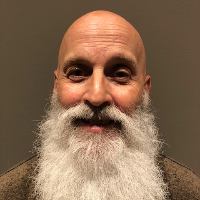
Timothy Klopfenstein
LPC
Missouri - 25 yrs exp









How self esteem therapy works for Missouri residents
If you are exploring therapy to address self esteem concerns in Missouri, the process typically begins with an initial assessment to understand your background, current challenges, and treatment goals. A therapist will ask about areas where your sense of self impacts daily life - relationships, work, school, or social activities - and work with you to prioritize practical, achievable steps. Sessions often combine talking with evidence-informed techniques designed to address negative self-talk, unhelpful beliefs, and patterns that keep you stuck.
Therapists who focus on self esteem usually draw from several therapeutic approaches. Cognitive-behavioral techniques can help you identify and challenge distortions in thinking, while interventions from acceptance and commitment therapy support values-driven action even when you feel self-doubt. Some clinicians bring a trauma-informed lens when low self esteem connects to past hurt, and others emphasize compassion-focused work to build a kinder inner voice. Across Missouri, clinicians tailor these methods to fit your life circumstances and cultural background.
Assessment and early steps
In early sessions you and the therapist will clarify what 'improvement' looks like for you, set short-term goals, and outline a plan for tracking progress. You may be asked to notice patterns of self-criticism, try small behavior changes between sessions, or practice new ways of speaking to yourself. This collaborative approach helps you see which strategies are most useful so the work remains practical and relevant.
Finding specialized help for self esteem in Missouri
Missouri offers a range of options depending on where you live. If you are in larger centers like Kansas City or Saint Louis, you will often find clinicians who advertise direct experience with self esteem across life stages and who may offer specialized groups or workshops. In university towns such as Columbia there are clinicians with experience working with students and young adults, while Springfield and Independence also host therapists who emphasize family and community contexts.
If you live outside an urban area, teletherapy expands your access to specialists who might not practice locally. When searching listings, look for therapists who note specific experience with the population that matters to you - adolescents, new parents, professionals facing workplace confidence issues, or individuals navigating identity-related concerns. You can also filter by therapeutic approach or by experience with related issues such as anxiety or relationship patterns, since these often intersect with self esteem.
What to expect from online therapy for self esteem
Online therapy gives you flexibility to work with a clinician across Missouri from your home, a workplace break room, or another personal setting. Sessions typically take place over video or sometimes by phone, and you can expect many of the same therapeutic methods used in person - guided reflection, skills practice, and collaborative problem solving. You will want a quiet place where you can speak without interruption and a reliable internet connection for video work.
When starting online therapy, discuss practical details with a prospective therapist - how sessions are scheduled, what platforms they use, and how they handle appointment changes. Therapists who work with Missouri residents are generally licensed to practice in the state, which helps ensure that treatment follows local standards. Online therapy can be particularly helpful if you live in a rural area or if scheduling in-person visits is difficult.
Common signs that someone in Missouri might benefit from self esteem therapy
You might consider therapy if persistent self-criticism keeps you from trying new things, or if feelings of inadequacy affect your relationships or job performance. Difficulty accepting praise, habitually comparing yourself to others, avoiding social situations, or repeatedly taking blame for things that are not solely your responsibility are all common experiences that bring people to self esteem work. If your self-view fluctuates dramatically based on others' opinions, or if you notice long-standing patterns of self-sabotage, therapy can help you understand and shift those patterns.
Self esteem concerns often intersect with life transitions that many Missourians face - starting college, returning to work, navigating relationship changes, or coping with caregiving responsibilities. Location-specific stressors such as long commutes in metro areas or limited local resources in smaller communities can also play a role. Therapy provides a structured place to explore these dynamics and develop concrete strategies to build a more resilient sense of self.
Tips for choosing the right therapist for this specialty in Missouri
Start by reviewing profiles to find clinicians who explicitly list self esteem or related work in their specialties. Read about their training and therapeutic approaches to see whether they favor methods you are comfortable with. Experience matters, but so does fit - you should feel understood and respected when you make first contact. Consider practical factors like availability, session length, fees, and whether the therapist accepts your insurance or offers a sliding scale.
Location can matter when you prefer in-person sessions. In Kansas City and Saint Louis you may find a wider range of specialists and group options, while in smaller cities such as Springfield and Columbia therapists may offer a blend of in-person and online care. If cultural or identity factors are important to you, look for clinicians who highlight work with specific communities or who describe a culturally responsive practice. Trust your instincts - if a therapist’s approach does not feel like a good match after a few sessions, it is reasonable to explore other options.
Questions to ask during a first contact
When you reach out to a therapist, ask how they approach self esteem work, what kinds of techniques they use, and how they measure progress. Ask about the typical length of treatment and whether they assign practice between sessions. It is also useful to inquire about scheduling policies, fees, and whether they offer flexible options for those balancing work or family responsibilities. These conversations help you assess both practical fit and therapeutic alignment.
Combining local resources and therapy
Therapy often works best when combined with supportive community resources. Many Missouri communities offer workshops, peer support groups, or community education programs that complement one-on-one work. If you are a student in Columbia or are connected to an employer in Kansas City, check whether campus counseling or employee assistance programs can support your goals. Community centers, faith-based organizations, and nonprofit groups sometimes host programs that reinforce confidence-building skills in group settings.
Making use of nearby resources can also help you practice new skills in real contexts. Volunteering, joining a class, or trying a public-speaking group are practical ways to test and expand your capacities. Your therapist can help you identify safe opportunities to apply new behaviors and reflect on what works and what needs adjustment.
Making the most of therapy
To get the most from self esteem therapy, commit to small, consistent steps and to honest reflection in sessions. Track changes you notice, however small, and bring those observations back to your therapist. Self esteem develops over time through repeated practice - trying new behaviors, reframing unhelpful thoughts, and reinforcing a more balanced view of yourself. Patience and persistence matter, and a good therapist will help you set realistic expectations and celebrate progress along the way.
If you are ready to begin, use the listings above to find Missouri clinicians who specialize in self esteem. You can reach out for an initial conversation, ask about fit, and select a clinician who feels like the right partner for this work. With the right support and some dedicated practice, you can strengthen your sense of self and approach daily life with greater confidence and clarity.