Find a Stress & Anxiety Therapist in Missouri
Browse licensed therapists who specialize in stress and anxiety throughout Missouri. Use the listings below to compare specialties, availability, and therapy approaches in your area.
Whether you prefer in-person care near Kansas City or Saint Louis or online appointments from home, explore profiles and connect with a therapist who fits your needs.











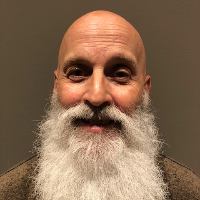
Timothy Klopfenstein
LPC
Missouri - 25 yrs exp











How stress and anxiety therapy works for Missouri residents
If you are seeking help for stress or anxiety in Missouri, therapy typically begins with an initial assessment where a clinician learns about your current concerns, history, and treatment goals. That conversation helps determine which evidence-based approaches may be most helpful for you. Many therapists combine structured skill-building with conversational work so you can learn techniques to manage symptoms while exploring underlying patterns that contribute to anxiety. Sessions are generally held weekly at first, then adjusted based on your progress and schedule.
Missouri therapists are licensed by the state and practice within professional guidelines. If you live in a larger metro area such as Kansas City or Saint Louis you may find a wider range of specializations and modalities, while smaller communities can offer clinicians who are experienced with a broad range of concerns. Regardless of where you live - whether you are in Springfield, Columbia, Independence, or a rural part of the state - you can access care that combines skill development, problem-solving, and ongoing support.
Finding specialized help for stress and anxiety in Missouri
When you search for a therapist who focuses on stress and anxiety, look for clinicians who list those issues among their specialties and describe the methods they use. Cognitive-behavioral approaches are common for anxiety-related concerns because they teach skills to change thought and behavior patterns. Other helpful approaches include acceptance-based therapies, mindfulness-oriented techniques, and exposure-focused work for fears and phobias. Some therapists add coaching-style tools to help with performance anxiety or workplace stress.
Specialization matters because anxiety can appear differently in different people - as persistent worry, panic attacks, social avoidance, or physical tension that interferes with sleep and daily function. Therapists who focus on stress and anxiety will often be familiar with the range of presentations and can tailor strategies to match your needs. In cities like Kansas City and Saint Louis you may find clinicians who also have expertise in trauma-informed care, perinatal anxiety, or anxiety related to chronic health conditions, which can be helpful if your situation includes those factors.
What to expect from online therapy for stress and anxiety
Online therapy has become a practical option for many people across Missouri. If you choose remote sessions, expect the process to mirror in-person care in terms of assessment, goal-setting, and therapeutic techniques. You will want a quiet space and a reliable internet connection for video sessions. Therapists typically explain how they protect your information and what to do in a crisis, and they will discuss limits of remote care - for example, how to reach local emergency services if needed.
Online care can be especially useful if you live far from urban centers, have tight work schedules, or prefer the convenience of meeting from home. It also allows you to connect with therapists outside your immediate area, which can be important if you are seeking a specific approach or cultural match. In Missouri you may combine in-person and online sessions as your needs change, and many clinicians are open to a hybrid plan that fits your life.
Practical considerations for teletherapy
Before your first online appointment, check that your device camera and microphone work and that you have a stable location where you can be uninterrupted. Ask the clinician about session length, cancellation policies, fees, and whether they accept your insurance or offer sliding-scale options. You should also confirm that the therapist is licensed to practice in Missouri and that they will handle any required paperwork electronically. If you live in Springfield or Columbia and prefer occasional in-person meetings, ask whether the therapist maintains an office you can visit.
Common signs you might benefit from stress and anxiety therapy
You might consider seeking therapy if worry or stress has become difficult to manage or is interfering with your daily life. Common signs include difficulty concentrating, trouble sleeping, persistent feelings of tension, avoidance of social situations or places that trigger worry, or physical symptoms such as headaches and muscle tightness that do not respond to other interventions. Panic attacks - sudden episodes of intense fear - are another reason to reach out for professional support. If you notice that stress is affecting your work, relationships, or enjoyment of activities, therapy can help you develop coping strategies and address patterns that contribute to ongoing anxiety.
Stress and anxiety often build up slowly. You may tell yourself that things will get better on their own, but therapy can speed up relief by giving you targeted tools and a plan. People in high-pressure jobs in Kansas City, students in Columbia, caregivers in Springfield, and parents in smaller towns across the state all report benefits from learning practical strategies to manage daily stress and reduce the intensity of worry.
Tips for choosing the right therapist for this specialty in Missouri
Choosing a therapist is a personal decision and it helps to be proactive about finding a good match. Start by reviewing therapist profiles to see who lists stress and anxiety as a focus and to learn about their approaches. Pay attention to education, licensure, and any additional training that relates to your concerns. If cultural sensitivity, language, age, gender, or experience with specific populations matters to you, look for clinicians who mention those competencies.
When you contact a therapist, think of the initial message as a brief opportunity to ask practical questions - about appointment availability, fees, insurance, and whether they offer telehealth. Many therapists offer a short phone call to see if the fit feels right. Use that conversation to get a sense of how the therapist explains their approach and whether their communication style suits you. Trust your instincts about whether you feel heard and respected.
Location and logistics matter too. If regular in-person sessions are important, look for clinicians near your neighborhood or workplace to minimize travel burdens. For residents of Independence or smaller towns, online therapy may open up more options. Also consider scheduling flexibility if you balance work, childcare, or school. Finally, remember that it is common to try a few sessions before deciding if a therapist is the right fit - changing providers early in treatment is acceptable if you do not feel understood or supported.
Next steps and practical advice
When you are ready to begin, use the listings above to compare therapists by specialty, therapeutic approach, and availability. Prepare a brief summary of your concerns and any questions you want to ask during the first session. Keeping an open mind about different evidence-based techniques can help you find an approach that resonates. If you are facing a crisis or feel at risk, seek immediate help through local emergency services or a crisis line in your area.
Finding the right support for stress and anxiety is a process, but taking the first step to connect with a clinician can lead to clearer thinking, improved coping, and better day-to-day functioning. Whether you choose a therapist in Kansas City, Saint Louis, Springfield, Columbia, or an online provider in Missouri, you can find professionals who will work with you to develop practical skills and a plan that fits your life in 2026.