Find a Gottman Method Therapist in Missouri
The Gottman Method is a research-based approach to couples therapy that emphasizes practical skills for improving communication, trust, and emotional connection. You can find certified Gottman Method practitioners across Missouri, including Kansas City, Saint Louis, and Springfield. Browse the listings below to compare therapists and find the right fit for your relationship.

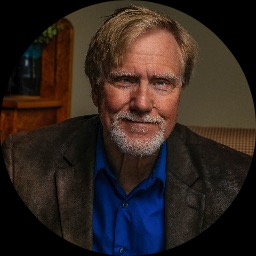
David Markowitz
LPC
Missouri - 35 yrs exp



Kimberly Ream
LPC, LMFT
Missouri - 14 yrs exp












Understanding the Gottman Method
The Gottman Method is built around the idea that relationships benefit from evidence-informed interventions that teach skills, identify patterns, and build emotional insight. It focuses on strengthening core elements of a relationship - such as friendship, trust, and shared meaning - while helping couples manage conflict in ways that reduce hurt and increase understanding. Therapists trained in this approach use assessment tools and structured exercises to make conversations more productive and to create a foundation for long-term resilience.
At the center of the method are practical processes that help partners learn how to notice each other, express needs without blame, and respond to repair attempts. Because the approach is structured, you and your partner can see clear steps for change, which many people find reassuring when emotions run high. The goal is not to eliminate all disagreements but to shift how you handle them so that disagreements do not erode the relationship.
How Gottman Method is Used by Therapists in Missouri
Therapists in Missouri apply the Gottman Method across diverse settings, from urban clinics to smaller community practices. In Kansas City and Saint Louis, you will find clinicians who combine Gottman principles with other modalities to address issues like anxiety, depression, or family systems that intersect with relationship concerns. In more rural or suburban areas, including around Springfield, practitioners may adapt session pacing and homework to fit work schedules and travel constraints while maintaining the method's structured approach.
Missouri clinicians often tailor Gottman interventions to fit the cultural and practical realities of the people they serve. That might mean focusing on communication skills with couples facing long-distance challenges, helping blended families establish new routines, or supporting partners through life transitions such as moves, job changes, or parenting shifts. Many therapists offer both in-person and online options so that you can choose the format that works best for your lifestyle.
Issues Commonly Addressed with the Gottman Method
The Gottman Method is frequently used for improving general communication, resolving recurring conflicts, and healing after trust breaches such as infidelity or significant betrayals. Couples also turn to this approach for issues related to parenting disagreements, financial stress, intimacy concerns, and adjusting to major life changes. Because it teaches concrete skills for emotional regulation and dialogue, it is effective for couples who want to change how they interact day to day as well as those seeking deeper emotional connection.
Therapists in Missouri often recommend Gottman work for couples preparing for marriage or long-term commitment, as well as for those who want to strengthen an already healthy relationship. The method can be adapted for same-sex couples, cultural differences, and varied relationship structures when the clinician has relevant experience and cultural competence. If you are dealing with complex legal, medical, or safety issues, a therapist will help you identify appropriate supports and may integrate other services as needed.
What a Typical Online Gottman Method Session Looks Like
An online Gottman Method session begins with a structured check-in where the therapist asks both partners about recent interactions and any pressing concerns. Many clinicians incorporate standardized questionnaires early in the process to get a baseline sense of strengths and stressors in the relationship. During sessions, you will practice focused conversations guided by the therapist, learn communication techniques, and work on exercises that build positive interactions and effective repair strategies.
In an online setting, the therapist may use screen-shared worksheets, guided prompts, and breakout-style moments to practice skills in real time. Sessions generally include a review of progress and homework tasks to reinforce skills between appointments. The online format makes it possible for partners in different parts of the state, or those with demanding schedules, to participate without needing to travel to an office. If technology or connectivity is a concern, therapists will often discuss contingency plans so sessions remain productive.
Who Is a Good Candidate for the Gottman Method?
You may be a good candidate for Gottman work if you and your partner are motivated to learn new ways of communicating and willing to practice outside of sessions. The method works best when both people are able to engage in guided conversations and reflect on patterns rather than assigning blame. That said, therapists can also work with individuals who want to change their approach to relationships, using the method to explore personal patterns that affect partnerships.
If there are active safety concerns in the relationship, such as ongoing harm or immediate risk, your first step should be to address those needs with appropriate crisis resources and supports. For many couples who are not facing immediate safety issues, Gottman work offers a structured, skills-based path forward. It can be particularly helpful when you want a practical roadmap and measurable progress rather than open-ended exploration.
How to Find the Right Gottman Method Therapist in Missouri
Begin by reviewing therapist profiles to confirm formal training in the Gottman Method and relevant experience with the issues you bring. Read biographies to understand how clinicians integrate Gottman principles with other approaches and to see whether they have experience with populations similar to yours. Pay attention to logistics such as whether they offer in-person sessions in cities like Kansas City, Saint Louis, or Springfield, and whether they provide online appointments that fit your schedule.
It is reasonable to ask potential therapists about their approach to conflict, how they structure Gottman sessions, and what kinds of outcomes they typically focus on. Many therapists offer brief consultations so you can get a sense of rapport and compatibility before committing to ongoing work. Consider practical factors as well - days and times they are available, fees, and whether they work with your insurance or offer sliding scale options when applicable. Trust your sense of fit; the relationship with your therapist matters as much as their training.
Local Considerations Across Missouri
Availability and wait times can vary by region. Larger metropolitan areas like Kansas City and Saint Louis often have more clinicians with specialized Gottman training, while smaller cities or rural areas may have fewer options but increasingly accessible online services. If you live in Springfield, Columbia, Independence, or surrounding communities, you can often find therapists who split their time between in-person and online work, which makes starting therapy more convenient.
Next Steps
If you are ready to begin, start by browsing profiles and using initial consultations to assess whether a therapist’s style and scheduling fit your needs. Prepare a short list of goals you want from therapy so you can share them during that first conversation. Whether you are seeking help with recurring conflicts, rebuilding trust, or strengthening daily connection, a Gottman Method therapist in Missouri can offer practical tools and a structured process to help you move forward.
Remember that progress in relationships often comes from consistent effort and small changes that accumulate over time. Finding a clinician who understands your context and communicates clearly about the process will make it easier to take those first steps toward more constructive interaction and greater connection.