Find a Solution-Focused Therapy Therapist in Missouri
Solution-Focused Therapy is a goal-oriented approach that helps you identify strengths and practical steps toward change. Browse the listings below to find practitioners across Missouri who use this approach.








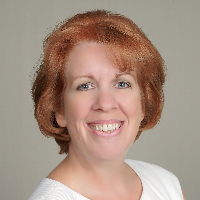
Sarah Williams
LCSW
Missouri - 7 yrs exp















What Solution-Focused Therapy Is and the Principles Behind It
Solution-Focused Therapy centers on what you want to achieve rather than on a detailed exploration of past problems. It assumes that you already have skills and resources that can be mobilized to create change. Therapists guide you to articulate clear, achievable goals, notice exceptions to problems, and build on small successes. Techniques often emphasize future-focused questions - for example asking what will be different when a problem is reduced - and brief, practical interventions designed to create momentum. The result is a collaborative process where you and the therapist co-create steps that are relevant to your life and values.
Core ideas that shape sessions
At the core of this approach are a few consistent ideas. You and your therapist will focus on strengths and past successes rather than dwelling on weaknesses. Sessions tend to be structured around concrete goals and actionable steps. Change is approached as incremental - small shifts that compound over time. Therapists often use targeted questions and scaling techniques to track progress and adjust plans. The approach is adaptable, which is why many clinicians combine solution-focused methods with other therapeutic tools when needed.
How Therapists Use Solution-Focused Therapy in Missouri
Therapists across Missouri apply solution-focused techniques in a variety of settings - private practices, community clinics, school-based programs and teletherapy. In larger urban areas such as Kansas City and Saint Louis, you will find clinicians who integrate this approach with family therapy, couples work, or brief outpatient programs. In college towns like Columbia or in communities such as Springfield and Independence, practitioners may use solution-focused methods to support students, parents, and adults navigating life transitions. Because the model emphasizes practical steps and measurable progress, it fits well into time-limited care and settings where you may prefer a focused plan for change.
Many Missouri clinicians adapt solution-focused work to cultural and situational factors, listening for what matters most to you and shaping goals around your daily realities. That adaptability makes the approach useful whether you are working with a therapist in an office in downtown Kansas City, meeting online from a neighborhood in Saint Louis, or connecting with someone who knows the community resources available in Springfield.
What Issues Solution-Focused Therapy Is Commonly Used For
Solution-Focused Therapy is commonly used for a wide range of concerns where you want to identify achievable changes and build on existing strengths. People often seek this approach for anxiety, low mood, relationship strain, parenting challenges, academic or workplace stress, and transitions like relocation or career change. Couples sometimes use solution-focused methods to set goals for communication and shared routines. For parents, clinicians may focus on specific behavioral goals with children or teens. The approach is also useful for people who are looking for short-term, practical support to move past a stuck point and toward concrete outcomes.
What a Typical Solution-Focused Session Looks Like Online
An online solution-focused session usually begins with a brief check-in about what has changed since the last meeting and what you hope to accomplish in the current session. You and your therapist will clarify a specific goal - sometimes framed as "what will be different" - and identify small, doable steps toward that goal. Your clinician may use a scaling question, asking you to rate progress on a scale from 0 to 10, and then explore what would help you move up one point. The session often ends with a short plan or an experiment for you to try before the next meeting.
When you meet online, practical considerations matter. You should choose a quiet, comfortable environment where you can speak openly. Test your camera and audio ahead of time and make sure you have a reliable internet connection. Many therapists will also discuss how you want to handle missed sessions, what to expect in terms of length and frequency, and how you will track progress. Online sessions retain the same goal-oriented structure as in-person work, and many people find the convenience of virtual appointments helpful for maintaining momentum.
Who Is a Good Candidate for Solution-Focused Therapy
You may be a good candidate for solution-focused work if you prefer a brief, action-oriented approach and want to concentrate on practical change. If you value concrete goals, measurable steps and a focus on strengths, this model can help you move forward efficiently. It can be especially effective when you are dealing with a clear problem you want to change - for example improving sleep routines, reducing conflict with a partner, or finding strategies to manage work stress. People who appreciate collaboration and are willing to try experiments between sessions often get good results.
That said, solution-focused therapy can also complement longer-term approaches when deeper exploration is needed. If you are unsure whether it is the right fit, you can ask a clinician how they integrate solution-focused techniques with other therapies and what they recommend for your situation. In Missouri, clinicians across settings tailor their approach to your needs, so you can find a therapist who emphasizes brief solutions or one who blends strategies for a longer engagement.
How to Find the Right Solution-Focused Therapist in Missouri
Start by thinking about the practical and personal factors that matter most to you. Decide whether you prefer in-person sessions in cities like Kansas City or Saint Louis, or whether you want the convenience of online work from home. Look for clinicians who list training or experience in solution-focused methods and who describe how they measure progress and set goals. When you contact a therapist, ask about their typical session length, fee structure, whether they offer a sliding scale, and how they handle cancellations. It is also helpful to inquire about their experience with the specific concerns you want to address.
Geography matters less today because many therapists in Missouri offer virtual appointments, but local knowledge can still be valuable. A therapist who understands the resources in Springfield or Columbia may be better equipped to suggest local supports or referrals. If you have insurance, check whether the clinician accepts your plan and what documentation you will need. Finally, trust your instincts during an initial conversation - a good working relationship often depends on feeling heard and on a clear plan for the steps you will take together.
Next Steps and What to Expect
Once you select a therapist, your first session will typically focus on setting a clear, achievable goal and deciding on the early steps you will try. Expect a brief assessment, collaborative goal-setting and a discussion of how you will measure progress. Over subsequent sessions you will review what worked, refine your plan and build on successes. Many people find this method energizing because it creates visible progress in a relatively short period.
Whether you live in a bustling neighborhood in Kansas City, a riverside area of Saint Louis, a college town like Columbia, or elsewhere in Missouri, solution-focused therapy offers a practical route toward change. Use the listings above to compare profiles, reach out to a few clinicians and ask the questions that matter to you. With a clear goal and a therapist who matches your needs, you can begin making steady, forward-focused progress.