Find an Aging and Geriatric Issues Therapist in Nebraska
This page connects you with therapists who focus on Aging and Geriatric Issues throughout Nebraska. Browse the listings below to compare credentials, approaches, and availability in your area.


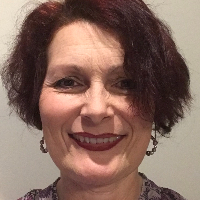
Priscilla Rogers
LMHP
Nebraska - 8 yrs exp

















How aging and geriatric issues therapy works for Nebraska residents
If you are navigating the emotional, social, and practical changes that come with later life, therapy can be a resource for coping and planning. In Nebraska, therapists who specialize in aging work with older adults and their families to address transitions such as retirement, changing health needs, grief and loss, and shifts in daily functioning. The therapeutic process often begins with an assessment of your concerns and goals, followed by collaborative planning with the therapist to identify strategies that fit your lifestyle and values. You can expect sessions to focus on improving mood, strengthening relationships, managing stress, and supporting decision-making about care and living arrangements.
Therapists in this specialty draw on approaches that are adapted to later-life concerns, including techniques to support memory and attention when appropriate, problem-solving strategies for practical challenges, and therapies that help with adjustment to new life stages. Many practitioners also provide guidance for family members and caregivers, helping you strengthen communication and coordinate care in ways that respect autonomy and dignity.
Finding specialized help for aging and geriatric issues in Nebraska
When you begin searching for a therapist in Nebraska, consider both geographic access and the provider's experience with older adults. Larger cities such as Omaha, Lincoln, Bellevue, and Grand Island often have clinicians with specialized training in gerontology, neurocognitive concerns, and caregiver support, while smaller towns may offer clinicians who provide a broader range of services. If you live outside urban areas, expanding your search to include clinicians who offer remote sessions can increase your options.
Look for therapists who describe experience with aging-related concerns, caregiving dynamics, and coordination with medical teams. You may also want providers who are comfortable working with family members and long-term planning topics like advance care discussions and transitions to assisted living. Contacting therapists directly to ask about their experience, approach, and availability will help you narrow choices in a way that fits your needs and schedule.
What to expect from online therapy for aging and geriatric issues
Online therapy has become a practical option for many older Nebraskans, especially for those who live far from urban centers or who have limited mobility. A typical online session mirrors the structure of an in-person session - you and your therapist will talk about current concerns, review progress toward goals, and practice strategies between sessions. You should expect to discuss how technology will be used, what platform will be employed, and how to set up a quiet, comfortable environment for sessions.
Therapists can adapt exercises and communication styles to suit hearing or visual needs and can include family members in sessions when appropriate. Some interventions may still require in-person support - for example, when coordinating with medical providers or conducting certain types of cognitive assessments - and a good therapist will help you arrange those services locally. If you are new to online sessions, ask about a brief orientation appointment so you can test the connection and know what to expect before a full therapy session.
Common signs that someone in Nebraska might benefit from aging and geriatric issues therapy
You might consider seeking a therapist if you notice sustained changes in mood such as persistent sadness, anxiety about health or future care, or a growing withdrawal from social activities that you once enjoyed. Difficulty coping with recent losses, trouble adjusting after hospitalization or a move, or increased conflict with family members over caregiving decisions are also common reasons people pursue therapy. Caregivers who feel overwhelmed, exhausted, or uncertain about how to balance care responsibilities with their own life may find therapy helpful for setting boundaries and building coping strategies.
Other indicators include changes in sleep or appetite that affect daily functioning, repeated falls or accidents that lead to fear of leaving the house, and memory-related concerns that impact daily routines and relationships. If you are noticing these kinds of shifts in yourself or a loved one, reaching out to a therapist can provide practical tools and support to address them before they escalate.
Tips for choosing the right therapist for this specialty in Nebraska
Begin by identifying what matters most to you in a therapeutic relationship - whether that is a clinician with experience in neurocognitive issues, someone skilled at family mediation, or a therapist who can help with end-of-life conversations. Consider logistics such as location, availability for daytime or evening appointments, and whether you prefer in-person visits or remote sessions. In cities like Omaha and Lincoln you may have more options for clinicians with niche training, while in smaller communities you may prioritize accessibility and a therapist who understands rural lifestyles.
When you contact a therapist, ask about their experience with older adults, their typical approach to treatment, and whether they have worked with issues similar to yours. Ask practical questions about rates, whether they accept your insurance or can provide documentation for reimbursement, and what to expect at the first session. If you are a caregiver, inquire about whether the therapist offers family sessions or caregiver-focused interventions. Trust your instincts about rapport; a strong personal fit often matters more for long-term progress than a specific label on a resume.
Practical things to bring to an initial appointment
Preparing for your first appointment can make the time more productive. Bring a list of current medications, a summary of recent medical events or hospitalizations, and any documentation from physicians that relates to cognitive or physical changes. Writing down your primary concerns and the goals you hope to address in therapy will help guide the initial conversation. If family members or caregivers will participate, let the therapist know so they can structure the session to include multiple perspectives.
Nebraska-specific considerations
Nebraska's geography and community patterns shape how people access care. In urban areas such as Omaha, Lincoln, Bellevue, and Grand Island you will find a wider selection of therapists and specialized services, while rural regions may have fewer in-person options. Harsh winter weather and long travel distances can make remote sessions particularly useful in many parts of the state. Local community health centers, senior centers, and county aging services may also offer complementary programs and referrals to clinicians who focus on older adults.
Another practical factor in Nebraska is the role of family networks and multigenerational households. Therapists who understand family dynamics in the region can help navigate conversations about care planning, financial and legal considerations, and intergenerational communication. If you have military ties, recent relocation, or agricultural stressors, mentioning those factors can help a therapist tailor support to your situation.
Next steps and making the most of therapy
Once you have identified a potential therapist, scheduling an initial consultation is a useful next step. Use that meeting to assess how the therapist listens, whether they explain their approach clearly, and how comfortable you feel sharing personal concerns. Therapy is a collaborative process - you and your therapist should agree on goals and regularly review progress. Expect adjustments along the way as circumstances change.
Remember that reaching out for help is a pragmatic step toward improving quality of life and supporting independence. Whether you live in a city like Omaha or in a quieter town in western Nebraska, there are professionals who work with older adults and caregivers to address emotional challenges and plan for the future. Take your time to find a clinician whose experience and style meet your needs, and lean on local resources as you build a plan that supports well-being in the years ahead.