Find a Communication Problems Therapist in Nebraska
This page helps you find therapists in Nebraska who focus on communication problems, with profiles, specialties, and practice details to guide your search. Browse the listings below to compare providers serving Omaha, Lincoln, Bellevue and other communities across the state.






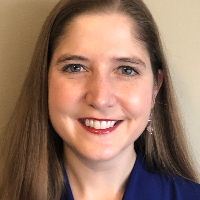
Priscilla Rogers
LMHP
Nebraska - 8 yrs exp













How communication problems therapy works for Nebraska residents
When you seek therapy for communication problems in Nebraska, the process typically begins with an assessment to understand the patterns that interfere with clear interaction. A clinician will ask about your history, the situations where communication breaks down, and the goals you want to reach. That initial conversation is a starting point for building skills that you can use at home, at work, and in relationships. Therapy is collaborative - you and the therapist work together to identify patterns, practice new strategies, and track progress over time. In Nebraska, practices vary from short-term skills work to longer-term therapy that also addresses related concerns like anxiety or relationship stress.
Common approaches you may encounter
Therapists who focus on communication problems often use evidence-informed techniques adapted to individual needs. You may find clinicians who integrate cognitive-behavioral strategies to change unhelpful thinking that interferes with expression, or who use interpersonal methods to improve how you connect with others. For couples, therapists may focus on conflict management and emotional attunement, helping you exchange feedback in ways that reduce escalation and increase understanding. For teens and children, interventions can include social skills building and parent coaching to create consistent support at home and at school.
Finding specialized help for communication problems in Nebraska
Finding the right therapist starts with identifying the kind of help you need. If your primary concern is miscommunication at work, you may benefit from someone who has experience with workplace communication and performance coaching. If conflicts within a romantic relationship are the issue, a therapist with couples training can help. In cities like Omaha and Lincoln you may find clinicians who specialize in particular age groups or modalities, while smaller communities may offer clinicians with broader general practice who can address multiple related issues. Look at profiles to see training, years of experience, and any specific approaches listed.
When you search through listings, pay attention to practical details that affect fit. Consider availability, whether a therapist works evenings or weekends, and whether their location is convenient for in-person sessions or set up for telehealth. If you live in Bellevue or commute between towns, you may prefer a clinician whose schedule and platform match your routine. You can also reach out to ask about experience with issues similar to yours and what a typical course of therapy looks like.
What to expect from online therapy for communication problems
Online therapy is an accessible option across Nebraska, especially if you live outside larger metropolitan areas or prefer the convenience of remote sessions. In an online session you can practice communication exercises in your own environment, and your therapist can guide role-plays and provide real-time feedback. Many people find it helpful to do homework between sessions - recordings of conversations, reflection exercises, or structured practice - and then review outcomes with their clinician. You should expect clear information from the therapist about how sessions are conducted, how to manage technology, and what to do if you need to change appointments.
Online therapy can make it easier to access specialists who are not located in your immediate area. For example, if you live near Grand Island but want a therapist with a particular training found more often in Omaha or Lincoln, remote sessions can bridge that gap. Keep in mind licensing - therapists who offer remote care may be licensed to practice in Nebraska. If you prefer to meet in person, many clinicians in Omaha and Lincoln maintain office hours in addition to offering telehealth.
Signs you or a loved one might benefit from communication problems therapy
If you regularly find that conversations end in misunderstanding, repeated arguments, or withdrawal, therapy may help you learn different ways to respond. You might notice that feedback at work is consistently misinterpreted, that you avoid certain discussions because they tend to escalate, or that your attempts to express needs are dismissed or ignored. Parents may observe that a teen struggles to make or keep friends because of misread cues or abrupt responses. Couples may describe a cycle where small disagreements quickly turn into larger conflicts. These are common signals that learning new communication tools could make daily life smoother and relationships more satisfying.
In some cases, communication challenges are accompanied by stress, anxiety, or mood changes that further complicate interactions. Addressing the communication itself and the emotions that surround it often produces the most meaningful change. A therapist will not only help you work on what is said, but also on how emotions, timing, and context shape conversations, so you can approach important talks with more confidence.
Tips for choosing the right therapist for communication problems in Nebraska
Start by clarifying your goals - do you want to improve workplace interactions, rebuild connection with a partner, or help a teen develop social skills? Once you are clear about your aims, look for clinicians who describe relevant experience and approaches. Read therapist profiles to learn about their training, populations they work with, and whether they emphasize skills-based sessions or deeper emotional work. In larger cities such as Omaha and Lincoln you may have more options to match specific techniques, while clinicians in smaller towns may offer a broader mix of services.
Consider logistics like location, insurance or payment options, session length, and scheduling. Many therapists list whether they offer evening or weekend appointments, which can make a difference if you balance work and family. Reach out for an initial conversation - many clinicians provide a brief intake call where you can ask about their approach and get a feel for whether their style suits you. Trust your sense of rapport - a good working relationship is a key factor in whether therapy will be effective.
Questions to ask during an initial contact
When you contact a therapist, you might ask about their experience with communication-focused work, typical session structure, and how they measure progress. You can also inquire about methods they use to practice new skills with clients and whether they offer couples or family sessions if that is relevant. Asking how they handle culturally specific communication styles and whether they have experience with clients from your community can help you find a clinician who understands your context.
Making the most of therapy and next steps
Once you begin therapy, approach it as an active learning process. Practice exercises between sessions, reflect on what helps and what does not, and share that feedback with your clinician so they can adjust techniques. If you live in or near Bellevue or travel to Omaha for work, consider whether a mix of in-person and online sessions would be helpful. Over time you should notice more productive conversations and a greater sense of confidence when difficult topics arise.
If you are ready to start, use the listings above to compare profiles and reach out to therapists who seem like a good fit. Scheduling a short introductory call can help you decide whether to move forward. Improving communication is a skill that pays dividends in relationships, work, and everyday interactions, and finding the right clinician in Nebraska can help you build those skills in ways that fit your life.