Find a Compassion Fatigue Therapist in Nebraska
This page connects visitors with therapists who specialize in compassion fatigue across Nebraska, including practitioners in Omaha, Lincoln and Bellevue. Browse the listings below to review approaches, credentials and availability, and reach out to professionals who can support your recovery.






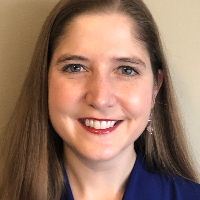
Priscilla Rogers
LMHP
Nebraska - 8 yrs exp

















How compassion fatigue therapy works for Nebraska residents
If you are feeling drained, overwhelmed or emotionally worn down from caring for others, compassion fatigue therapy is designed to help you restore balance and resilience. Therapy typically begins with an assessment of how your work, caregiving roles and personal life interact to create stress. A therapist will work with you to identify patterns that contribute to exhaustion - such as unprocessed emotional exposure, blurred boundaries between work and home, and ongoing high-pressure demands. Over a series of sessions you will develop tools to manage symptoms, reduce reactivity and reestablish routines that support recovery and long-term well-being.
In Nebraska, therapists who focus on compassion fatigue often have experience working with clinicians, first responders, social workers, educators and family caregivers. They combine evidence-informed approaches with practical strategies tailored to the realities of your life in the region, whether you are working in a busy hospital in Omaha, a school district in Lincoln, a community clinic in Bellevue or serving in a rural setting. The aim is to make the therapy relevant to the situations you face and to help you return to caregiving roles with clearer boundaries and renewed energy.
Finding specialized help for compassion fatigue in Nebraska
Finding a therapist who understands compassion fatigue starts with searching for clinicians who list this specialty or who note experience with burnout, secondary traumatic stress or occupational stress. You can look for therapists licensed in Nebraska who have experience with trauma-informed care, stress management and occupational health. Many therapists provide descriptions of their typical clients and the settings they work in, which can help you match with someone who understands the demands of your job or caregiving responsibilities.
Major cities like Omaha and Lincoln offer a wider selection of in-person clinicians, including those who work with hospital staff, emergency services and nonprofit teams. Bellevue and Grand Island also have clinicians who specialize in supporting caregivers and professionals facing constant exposure to others’ suffering. If you live in a smaller Nebraska town, you can still find therapists who offer remote sessions or who travel for community outreach. Consider contacting local professional associations, employee assistance programs or workplace wellness coordinators for referrals targeted to your field.
What to expect from online therapy for compassion fatigue
Online therapy is a practical option for many people across Nebraska, especially if you need flexible scheduling or live outside major metro areas. When you choose virtual sessions, therapy sessions take place over video or phone, and appointments can often fit more easily around shifts, on-call hours and caregiving responsibilities. Before beginning, you and your therapist will agree on session frequency, typical length and goals for treatment. Many clinicians offer a short intake or consultation to determine whether remote work is appropriate for your needs.
In online therapy you can expect a focus on teaching coping strategies that translate to your day-to-day environment. Therapists will help you practice grounding techniques, boundary-setting language, paced breathing and behavioral changes that reduce the emotional toll of caregiving. You will also work on cognitive strategies to reframe self-critical thoughts and on planning for recovery periods. Technology-wise, choose a therapist who uses an encrypted platform or protected communication methods and who explains how records and notes are managed under professional standards.
Common signs that someone in Nebraska might benefit from compassion fatigue therapy
Compassion fatigue often shows up gradually. You might notice that compassion, which once felt sustaining, now feels draining or distant. Sleep disturbances, irritability, heightened startle response, persistent fatigue that does not improve with rest, or a sense of numbness around the suffering you encounter are common indicators. You may find yourself feeling cynical about your work, making more mistakes, or withdrawing from colleagues and loved ones. Physical symptoms such as headaches, digestive problems or increased susceptibility to illness can also accompany emotional exhaustion.
Additionally, people who are caring for family members or who work in high-demand roles may begin to neglect their own needs, skip activities that used to bring them joy, or rely more on substances to cope. If you recognize these signs in yourself, reaching out for compassion fatigue therapy can provide strategies to reduce symptoms and develop sustainable self-care practices. Therapy can also help you plan changes in workload, boundaries and support systems so that your capacity to care for others is preserved over time.
Tips for choosing the right therapist for this specialty in Nebraska
When choosing a therapist, consider their clinical training and their experience with compassion fatigue, burnout or secondary trauma. Look for descriptions that note work with your profession or caregiving situation - for instance, clinicians who have supported nurses, social workers, law enforcement or family caregivers. Credentials such as licensed professional counselor, licensed clinical social worker or psychologist are important, and a clinician’s ongoing education in trauma-informed approaches can signal deeper familiarity with the topic.
Practical fit matters as much as clinical expertise. Think about logistical needs like appointment hours, whether the clinician offers evening or weekend sessions, and whether they provide in-person meetings in local offices in Omaha, Lincoln or Bellevue, or remote appointments compatible with rural schedules. Ask about insurance acceptance, sliding scale options and fee structures so you can plan for sustainable care. A short initial call can also help you assess whether the clinician’s communication style and goals align with yours.
Trust your instincts about rapport. A therapist who listens, validates your experiences and outlines concrete steps for symptom relief is likely to be a helpful partner. It is reasonable to ask about specific interventions they use for compassion fatigue, how they measure progress, and what you can expect in the first few months of work. If your needs change, you should feel comfortable discussing adjustments to frequency, focus or therapeutic approach.
Practical next steps and local considerations
If you are ready to begin, start by narrowing your search to clinicians who explicitly list compassion fatigue, burnout or secondary traumatic stress as part of their practice. If you work for an organization, inquire about workplace support options such as peer consultation groups, wellness programs or mental health benefits that can supplement individual therapy. In Nebraska, many therapists also collaborate with employee assistance programs and community agencies to provide tailored support for professional groups.
Remember that healing from compassion fatigue is a process. You will build new routines, test boundary adjustments and practice skills that protect your emotional energy. Whether you connect with a clinician in Omaha, meet a counselor in Lincoln for in-person sessions, or work with someone remotely from Bellevue or Grand Island, the essential elements are a trusting therapeutic relationship and a practical plan to restore balance. Use the listings above to read therapist profiles, check credentials and schedule consultations that help you find a clinician who meets your needs. Taking that first step can lead to meaningful change in how you care for others and yourself.