Find a Depression Therapist in Nebraska
This page highlights therapists who specialize in depression treatment across Nebraska, including clinicians serving Omaha, Lincoln and Bellevue. Browse the profiles below to compare approaches, availability and contact options.

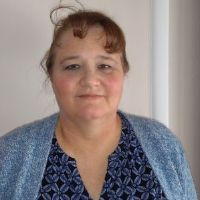









Priscilla Rogers
LMHP
Nebraska - 8 yrs exp












How depression therapy works for Nebraska residents
If you are considering therapy for depression in Nebraska, the process typically begins with an intake conversation. In that first session you and a clinician will review your current symptoms, personal history and goals for treatment. From there a treatment plan is developed that outlines the therapeutic approach, frequency of sessions and ways to measure progress. Many therapists use evidence-informed methods that focus on changing patterns of thinking and behavior, building coping skills and addressing life circumstances that contribute to low mood. Therapy can be short-term and focused or longer-term and exploratory, depending on what you and your therapist determine will be most helpful.
Where you live in Nebraska can influence how you access care. Urban areas like Omaha and Lincoln usually offer a wide range of clinicians and specialties, while smaller communities may have fewer options but often benefit from community mental health centers and university clinics. Telehealth has also expanded access, allowing you to connect with therapists across the state without travel. Regardless of the setting, you should expect an initial assessment, collaborative goal-setting and regular check-ins about progress.
Finding specialized help for depression in Nebraska
When you search for a therapist who specializes in depression, look beyond general listings and read clinician bios carefully. Relevant details include training, modalities used and experience with issues that matter to you - for example, perinatal mood concerns, depression alongside anxiety, or mood changes related to chronic illness. Many clinicians note specific training in cognitive-behavioral therapy, interpersonal therapy or behavioral activation, all of which are commonly used to treat depressive symptoms. If cultural background, language, age group or faith perspectives are important to your care, seek clinicians who emphasize cultural responsiveness or shared identity in their profiles.
Location matters if you prefer in-person sessions. In Omaha you may find a larger pool of licensed clinicians with varied specialties, while Lincoln and Bellevue also host experienced providers. If you live in Grand Island or more rural parts of Nebraska, you may choose a mix of in-person visits and telehealth appointments to create a convenient and sustainable plan. Community mental health centers, college counseling services and nonprofit clinics sometimes offer lower-cost options if budget is a concern.
What to expect from online therapy for depression
Online therapy has become a common option for Nebraskans seeking depression care. You should expect sessions similar in structure to in-person work - a focused conversation with a clinician who listens, helps you identify patterns, and teaches skills you can use between sessions. Technology requirements are usually minimal - a smartphone, tablet or computer with a camera and reliable internet connection. Many clinicians provide both video and phone sessions to accommodate different comfort levels and bandwidth limitations.
Benefits of online therapy include reduced travel time and increased scheduling flexibility, which can make it easier to maintain regular sessions if you have a busy life or live far from a practice. You may find it easier to access clinicians with particular specializations, since geography is less of a constraint. On the other hand, you might want to ask about how crises are handled remotely and whether the clinician has a plan for when you need immediate, in-person support. Clear communication about technology expectations, cancellation policies and emergency procedures helps set a steady foundation for virtual work.
Common signs that someone in Nebraska might benefit from depression therapy
Depression can show up differently for different people, but there are several common signs that suggest therapy could help. You might notice a persistent low mood that lasts for weeks, decreased interest in activities you used to enjoy, or changes in sleep and appetite. Daily tasks such as work, studies or family responsibilities may become more difficult to manage, and relationships can feel strained by decreased energy or irritability. Some people experience trouble concentrating or make comments about feeling hopeless, while others notice a loss of motivation or a sense of being overwhelmed by ordinary demands.
If you live in Nebraska and these experiences are affecting your ability to function at work, school or home, it is reasonable to reach out for help. Therapy offers a space to explore what is contributing to these feelings and to build practical strategies to cope. You do not need to reach a crisis point to benefit from therapy; early support often prevents patterns from becoming more entrenched and can help you regain a clearer sense of direction.
Tips for choosing the right therapist for depression in Nebraska
Choosing a therapist is a personal decision and it helps to approach it with both practical and relational considerations in mind. Start by identifying what matters most to you - whether that is an approach that emphasizes skills and structure, a clinician who understands your cultural background, or convenience in scheduling. Read therapist profiles closely to learn about training, areas of interest and the types of clients they typically work with. If a profile mentions particular expertise in mood disorders, trauma-related depression or adolescent depression, that information can guide your choice.
Practical matters such as payment options, insurance participation and session length are also important. If cost is a concern, ask whether clinicians offer sliding scale fees or if community agencies in your area can provide lower-cost care. For in-person therapy, proximity to your home or workplace can reduce the burden of travel, especially in spread-out areas of the state. If you prefer virtual sessions, confirm that the clinician offers telehealth appointments and that their availability matches your schedule.
Once you have a few candidates, reach out with a short message or phone call to gauge fit. You can ask about the clinician's experience treating depression, what a typical session looks like, how progress is measured and what a reasonable timeline might be. Pay attention to how comfortable you feel in that initial exchange - rapport matters. It is normal to try a few sessions before you know whether a therapist is the right match, and changing clinicians is a valid option if something does not feel right.
Practical next steps and local considerations
To move forward, decide whether you prefer in-person or online care and narrow your search by location or specialty. If you live in Omaha, Lincoln or Bellevue you will likely find a wide array of options to choose from. If you are in a smaller town or rural area, consider clinicians who offer telehealth and ask about local community mental health resources that may supplement care. Keep a short list of questions to ask during an initial contact, and prepare to share a brief history of your symptoms so the clinician can better assess fit.
Finally, remember that finding the right therapeutic relationship can take time, and progress often comes from consistent, collaborative work. Therapy is a partnership where you set goals and the clinician helps you develop skills and insights to reach them. Taking the first step to browse profiles and reach out to a therapist is a meaningful move toward feeling better and regaining control over daily life in Nebraska.