Find an Infidelity Therapist in Nebraska
This page connects you with therapists who specialize in infidelity and relationship recovery across Nebraska. Explore detailed profiles below to compare specialties, approaches, and locations before reaching out.





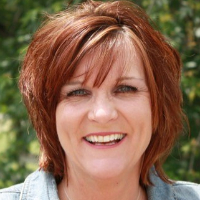
Kersten Borer
LIMHP
Nebraska - 25 yrs exp

















How infidelity therapy works for Nebraska residents
If you are exploring infidelity therapy in Nebraska, you may be wondering what the process looks like and how it can help you and your relationship move forward. Therapy for affairs typically begins with an intake session where a therapist gathers background about your relationship history, the circumstances of the breach, and immediate concerns such as safety, co-parenting, or living arrangements. From that starting point you and the therapist develop a treatment plan that reflects whether you are seeking therapy as a couple, as an individual, or both. Sessions focus on communication, understanding the factors that contributed to the breach, and developing practical skills to rebuild trust or to navigate separation with care and clarity.
Assessment and goal setting
Early sessions tend to focus on assessment and setting goals. You will talk about what you want from therapy - whether that is to rebuild the relationship, to build personal coping skills, or to make a thoughtful decision about next steps. A skilled therapist will help you identify short-term goals like managing intense emotions and long-term goals like re-establishing intimacy or forging a new path. In Nebraska, therapists often take into account local values, family structures, and logistical realities when helping you shape realistic goals.
Therapeutic methods commonly used
Therapists draw from a range of approaches to treat infidelity issues. You might work on emotion regulation and trauma processing if responses are intense, learn communication strategies that allow you to express difficult truths, or practice boundary-setting and accountability between sessions. Many therapists integrate attachment-focused work and behavioral strategies to help both partners rebuild safety and predictability. The pace will vary depending on the depth of the hurt, the couple's history, and whether both partners are committed to ongoing work.
Finding specialized help for infidelity in Nebraska
When you search for a specialist in Nebraska, look for clinicians who list infidelity, betrayal recovery, or relationship repair among their primary areas of practice. Licensed professionals such as licensed marriage and family therapists and licensed professional counselors often have additional training or experience in couples work and betrayal trauma. In larger cities like Omaha and Lincoln you will find a wider range of specialists and more options for evening or weekend appointments. In suburban and rural communities, including areas near Bellevue and Grand Island, therapists may offer a blend of in-person and online hours to accommodate commuting distances and schedules.
Questions to ask prospective therapists
When you contact a potential therapist, consider asking how much experience they have with infidelity cases, what approaches they typically use with couples and individuals, and how they structure sessions after an affair is disclosed. You may also want to inquire about their policies regarding communication between sessions, what kind of homework or exercises they assign, and how they handle situations where one partner is unsure about continuing therapy. These questions help you assess whether a therapist's style and expectations fit what you need.
What to expect from online therapy for infidelity
Online therapy expands access to specialized clinicians across Nebraska, which is particularly helpful if you live outside Omaha, Lincoln, Bellevue, or Grand Island. Through video sessions you can work with therapists who have specific experience in infidelity and couples work even if they are based in another city within the state. Online sessions make it easier to schedule appointments around work and family obligations and can reduce travel time for busy households.
Effectiveness and logistics
Many people find online sessions to be effective for discussing sensitive relationship topics if you and your therapist establish clear boundaries and a reliable technology setup. You should plan for a quiet, distraction-free room where you can speak openly. If you are doing couples work, decide ahead of time whether you will meet together or alternate individual sessions with joint sessions. Some issues, such as co-parenting logistics, financial disclosure, or safety concerns, may require occasional in-person meetings - a conversation with your therapist will clarify what is most appropriate for your case.
Common signs you might benefit from infidelity therapy
You might consider seeking infidelity therapy if you are experiencing persistent distrust, intense ruminating about an affair, or repeated arguments centered on suspicion and secrecy. Other signs include difficulty communicating without blame, loss of intimacy, or patterns of avoidance where one or both partners steer clear of meaningful conversation. Even if you are contemplating separation, therapy can help you make decisions with more clarity and support you in managing practical issues such as co-parenting or dividing responsibilities. If you notice that infidelity is triggering old wounds or leading to anxiety and depression, therapy can provide tools to cope while you navigate next steps.
When safety or boundaries are a concern
If a breach is accompanied by behaviors that make you fear for your emotional or physical safety, it is important to address those issues with a clinician who can help you create a plan. Safety planning may involve setting firm boundaries, discussing living arrangements, or connecting with additional community resources. A therapist can help you distinguish between relationship problems that may be repaired with work and situations that require protective steps or a different long-term approach.
Tips for choosing the right therapist for infidelity work in Nebraska
Start by prioritizing clinicians who explicitly list infidelity or betrayal recovery as an area of expertise. Read therapist profiles to learn about their training, therapeutic orientation, and how they approach couples versus individual work. Consider practical factors like location and availability - if you live in or near Omaha, Lincoln, Bellevue, or Grand Island you may prefer occasional in-person sessions, while online-only clinicians can be a good match if you need flexible scheduling. Check whether therapists accept your insurance or offer sliding scale fees if cost is a factor, and ask how they handle cancellations and emergency contact.
Trust your instincts
After an initial call or consultation, reflect on whether the therapist seemed to understand your situation and whether you felt heard. The therapeutic relationship matters as much as clinical expertise. You should feel that the clinician takes your concerns seriously and communicates a clear plan for treatment. It is acceptable to try a few sessions and change clinicians if the fit does not feel right - progress often depends on finding someone you can work with openly and honestly.
Integrating local resources and next steps
Nebraska offers a range of community resources that can complement therapy, including support groups, family mediators, and legal or financial advisors who understand state-specific considerations. If you live near urban centers such as Omaha or Lincoln you may also find specialized workshops and couples retreats that focus on recovery after infidelity. Start by reaching out to therapists whose profiles match your needs, request a brief consultation, and ask about their experience with cases similar to yours. Taking that first step can help you move from feeling stuck to developing a plan for healing and growth.
Infidelity is rarely simple, but with the right guidance you can explore options that align with your values and goals. Whether you are looking to repair a relationship, work through personal recovery, or make informed decisions about your future, a qualified Nebraska clinician can offer structure, perspective, and practical strategies throughout the process.