Find an Isolation / Loneliness Therapist in Nebraska
This page features therapists across Nebraska who focus on isolation and loneliness, with options for in-person and online care. Browse the listings below to compare clinicians in Omaha, Lincoln, Bellevue and other communities.

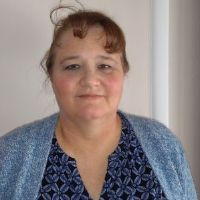





Priscilla Rogers
LMHP
Nebraska - 8 yrs exp















How isolation and loneliness therapy works for Nebraska residents
If you are feeling isolated or lonely, therapy can help you explore the causes and build skills to reconnect. In Nebraska, clinicians combine evidence-informed talking therapies, skill-building exercises, and practical planning to address both emotional and social factors. You can expect a process that begins with an intake or assessment session where you and your therapist review what brought you in, how loneliness shows up in your daily life, and what outcomes you want to reach. From there, sessions typically focus on understanding patterns - for example how thinking styles, life transitions, or loss contribute to withdrawal - then practicing strategies to increase social contact and improve the quality of relationships.
Finding specialized help for isolation and loneliness in Nebraska
When seeking a therapist who specializes in isolation and loneliness, look for clinicians who highlight experience with social anxiety, grief, life transitions, or relationship building, since these areas often overlap. Many providers list their theoretical approaches such as cognitive behavioral therapy, interpersonal therapy, or motivational interviewing - approaches that are commonly used to address loneliness-related issues. If you live in Omaha or Lincoln, you will find urban practices with accessibility to group programs and community resources. In smaller communities and towns across the state, clinicians often work with clients on practical, day-to-day solutions and can connect you with local groups or volunteer opportunities that support social reconnection.
Licensing and local considerations
Therapists practicing with Nebraska residents typically hold state licenses and will note their credentials on their profiles. If you are exploring in-person options in Bellevue, Grand Island, or other areas, you can ask about the therapist's local practice experience and familiarity with community services in your region. Local knowledge can be especially helpful if your goals include rebuilding connections through community activities, volunteer roles, or neighborhood resources.
What to expect from online therapy for isolation and loneliness
Online therapy has become a common option for people across Nebraska, offering flexibility if you live far from urban centers or have busy schedules. In online sessions, you and your therapist meet through video or phone, and sessions generally follow a structure similar to in-person work - assessment, goal setting, skill practice, and review. You can use online therapy to focus on conversation skills, behavioral activation for re-engaging socially, and planning to reduce avoidance. Some therapists also incorporate digital tools between sessions such as journaling prompts or guided exercises that help you track progress.
Practical details to consider
Before starting online sessions, check the therapist's technology preferences and whether they offer evening or weekend appointments if you need them. Consider where you will take sessions so that you have minimal interruptions and can focus on the work. If you live in a rural area, online therapy may give you access to specialists who are not available nearby, while if you are in Omaha or Lincoln you may combine online sessions with occasional in-person visits depending on the therapist's offerings.
Common signs you might benefit from isolation and loneliness therapy
You might consider reaching out for support if you notice persistent feelings of disconnection that affect your mood or daily functioning. You may feel a sense of emptiness despite being around people, or you might find yourself withdrawing more than usual and losing interest in activities you once enjoyed. Difficulty initiating contact, recurring thoughts about being misunderstood, or trouble sleeping or concentrating because of social concerns are also indicators that targeted support could help. For many people, life changes such as moving to a new city, retirement, loss of a partner, or shifts in friendships can trigger extended periods of loneliness that respond well to therapeutic attention.
Tips for choosing the right therapist for this specialty in Nebraska
Choosing a therapist is a personal decision, and you can make the process more manageable by prioritizing a few key factors. First, look for a therapist who explicitly mentions experience with isolation, loneliness, social anxiety, or related areas. This ensures the clinician is familiar with the challenges you face. Second, consider the therapeutic approach and whether you prefer a problem-solving focus, such as cognitive behavioral strategies, or a deeper exploration of relational patterns. Third, pay attention to practical details - availability, session format, and fees - so that therapy fits into your life without adding more stress.
Questions to ask during an initial contact
When you reach out to a therapist, it can help to ask about their experience working with clients who feel lonely, what a typical course of therapy looks like, and how they measure progress. You can also inquire about methods they use to foster social skills or expand social networks, and whether they collaborate with local groups or resources in cities like Omaha or Lincoln to support community engagement. Many therapists offer a brief initial call so you can get a sense of rapport before committing to sessions, which is important because feeling comfortable with your therapist influences progress.
Combining therapy with local resources and activities
Therapy is often most effective when paired with real-world efforts to increase meaningful contact. Your therapist can help you identify activities that match your interests - classes, volunteer work, faith-based groups, or civic organizations - and they can support you in taking small steps toward participation. In larger Nebraska communities you might find meetups, support groups, or hobby clubs that align with your goals, while in smaller towns your clinician might help you create opportunities by building on existing acquaintances or arranging low-pressure social commitments.
What progress can look like
Progress in isolation and loneliness therapy can show up in different ways. You might notice increased confidence initiating conversations, a gradual widening of your social circle, or a shift in how you interpret social interactions - from expecting rejection to allowing for more positive outcomes. For some people progress is clearer when they begin to accept invitations more often or when they feel less drained by social contact. Your therapist will likely work with you to set measurable goals so you can see the changes over time and adjust strategies as needed.
Getting started
Starting therapy can feel like a big step, but reaching out is the first move toward feeling more connected. Use the listings above to compare therapists who practice in Nebraska and note those who emphasize experience with isolation and loneliness. Whether you choose a clinician in Omaha, Lincoln, Bellevue, Grand Island, or an online provider, you can prioritize a therapist who fits your needs and schedule. A brief initial conversation can help you decide if the approach and personality feel like a good match, and from there you can begin working toward stronger relationships and a more engaged daily life.
If you are ready to explore options, begin by reviewing profiles, reading clinician descriptions, and setting up introductory calls. Therapy is a collaborative process, and finding the right therapist in Nebraska can give you tools to reconnect with others and with a sense of belonging.