Find a Multicultural Concerns Therapist in Nebraska
This page highlights therapists in Nebraska who focus on multicultural concerns. You will find clinicians offering culturally informed care across the state, with online and in-office options in Omaha, Lincoln, Bellevue and other communities. Browse the listings below to compare approaches, languages, and availability.
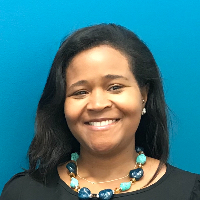
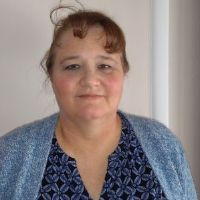


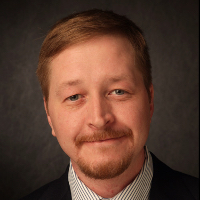
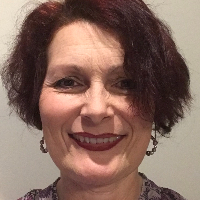




Dr. Jon Kayne
LIMHP
Nebraska - 50 yrs exp
How multicultural concerns therapy works for Nebraska residents
When you seek therapy that focuses on multicultural concerns, the work centers on how identity, culture, and social context shape your experience. A therapist trained in this specialty helps you explore how race, ethnicity, immigration history, religion, gender identity, sexual orientation, socioeconomic background, and language influence your relationships, stressors, and resilience. In Nebraska, that may mean addressing experiences common to urban settings like Omaha and Lincoln, as well as the different cultural dynamics found in smaller towns and rural counties.
The therapeutic process usually begins with an assessment of your goals and the cultural factors that matter most to you. From there you and your therapist develop a plan that respects your values and draws on culturally relevant strategies. Therapy can include talking through personal experiences of bias or discrimination, processing intergenerational family patterns, building coping skills tied to your cultural identity, or strengthening connections to community and cultural resources. The pace and methods vary depending on your needs and the clinician's orientation.
Finding specialized help for multicultural concerns in Nebraska
Start by looking for clinicians who explicitly list multicultural concerns among their specialties. Many providers indicate languages spoken, cultural communities they serve, and related training or certifications. If you live in or near Omaha, Lincoln, Bellevue or Grand Island, you will often find a broader range of options including therapists with experience in immigrant and refugee issues, Indigenous identity work, or multiracial family dynamics. In more rural parts of Nebraska you may find clinicians who combine multicultural competence with a generalist practice, and online appointments can expand your choices significantly.
When you review profiles, look for information about a therapist's experience with the particular cultural dimensions that matter to you. If language access is important, prioritize clinicians who offer services in your preferred language. If a faith-based approach matters, seek therapists who integrate faith and culture into their work. You can also contact therapists directly to ask about their experience with specific issues such as acculturation stress, racial trauma, or intersectional identity concerns. Asking a few targeted questions before booking a session will help you find a clinician whose approach aligns with your needs.
What to expect from online therapy for multicultural concerns
Online therapy expands access to culturally informed care across Nebraska. If you live outside Omaha or Lincoln, remote sessions may connect you with clinicians who specialize in your cultural background or speak your language. Online work often mirrors in-person therapy in structure - you will typically have an intake session to discuss goals and then regular appointments focused on the issues you raise. Therapists use video calls, phone sessions, and text-based messaging to support continuity between sessions.
To get the most from online therapy, prepare for sessions much as you would for an in-office visit. Make sure your internet connection and device are reliable, choose a comfortable setting where you can speak freely, and schedule sessions at times that fit your routine. Because laws and licensing can affect cross-state practice, confirm that a therapist is licensed to provide services to people in Nebraska. If you travel between states regularly, discuss how that might affect ongoing care. Many Nebraskans find that online options complement local resources - you might meet with a specialist remotely while accessing community groups or in-person support closer to home.
Common signs you might benefit from multicultural concerns therapy
You may consider seeking help when cultural stressors begin to affect your daily life or relationships. This can show up as persistent feelings of not belonging, repeated misunderstandings with family or coworkers over cultural expectations, or ongoing emotional reactions to discrimination and microaggressions. You might also notice that cultural differences complicate parenting, dating, or workplace dynamics, or that generational gaps within families create conflict about values and identity.
Other signs include struggling to reconcile multiple cultural identities, feeling isolated from your cultural community, or having difficulty accessing culturally relevant supports. If you are an immigrant or a member of a marginalized group and you find it hard to find a therapist who understands your lived experience, seeking someone with multicultural training can make a meaningful difference. Therapy can help you build strategies for navigating systems, handling bias, and strengthening your cultural and personal resilience.
Tips for choosing the right therapist for this specialty in Nebraska
Begin by clarifying what matters most to you - language, cultural background, therapeutic approach, or experience with specific issues such as racial trauma or immigration-related stress. When you review therapist profiles, pay attention to descriptions of training, community involvement, and the populations they serve. If possible, choose a clinician who has demonstrated experience with the particular cultural or identity issues you face.
Ask practical questions before your first appointment. Inquire about how they incorporate cultural context into treatment, whether they have worked with clients from your community, and what therapeutic methods they find effective for multicultural concerns. If you are connecting remotely, ask about their telehealth setup and whether they have experience offering culturally sensitive care online. You should also consider logistics - appointment availability, fees, and whether a therapist accepts your insurance or offers a sliding scale. In Nebraska cities like Omaha and Lincoln you may find more options for in-person sessions, while Bellevue and Grand Island can provide a mix of in-person and remote choices.
Trust your instincts during initial conversations. You should feel heard and respected when you describe your background and concerns. If a therapist minimizes the cultural aspects of your experience or seems unfamiliar with the issues you bring up, it is reasonable to look for someone whose approach better matches your needs. Building a therapeutic relationship can take time, and finding the right cultural fit is an important step toward meaningful progress.
When community resources matter
Therapy for multicultural concerns often benefits from connection with broader community supports. In Nebraska, cultural centers, faith communities, student organizations, and local advocacy groups can complement individual therapy. Your therapist may be able to recommend local organizations in Omaha, Lincoln, Bellevue, or Grand Island that align with your cultural background or offer peer support. Being linked to community resources can reinforce what you work on in therapy and help you find belonging outside the therapy room.
Practical next steps
If you are ready to begin, use the listings above to narrow your search by location, language, and areas of expertise. Reach out to a few clinicians to ask about their experience with multicultural concerns and what a typical first session looks like. Prepare a brief summary of your goals and the cultural issues you want to address so you can use initial conversations to evaluate fit. Remember that finding the right clinician is a process - it is okay to try a few consultations before committing to ongoing sessions.
Multicultural concerns therapy can offer a space to explore identity, heal from culturally related stress, and strengthen your ability to navigate complex social contexts. Whether you choose a therapist in person in Omaha or Lincoln, or connect remotely with a specialist elsewhere in Nebraska, the right clinician can help you feel more understood and better equipped to meet the challenges you face.