Find a Stress & Anxiety Therapist in Nebraska
This page lists therapists who specialize in stress and anxiety across Nebraska, including options for in-person and virtual sessions. Browse the listings below to find clinicians in Omaha, Lincoln, Bellevue and other communities.

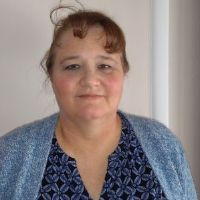









Priscilla Rogers
LMHP
Nebraska - 8 yrs exp












How stress and anxiety therapy works for Nebraska residents
When you seek therapy for stress or anxiety in Nebraska, the process usually begins with an initial conversation to understand what brings you in and what you hope to change. That intake conversation gives a clinician a sense of your history, current symptoms, and the patterns that affect your day-to-day life. From there, your therapist will collaborate with you to set goals for treatment - these can range from reducing panic episodes to improving sleep or learning techniques to manage ongoing worry.
Therapists use a range of evidence-informed approaches that can be adapted to your needs. You might work on learning new coping strategies, changing unhelpful thought patterns, or practicing skills that help you tolerate discomfort. Therapy is active work - you and your clinician will try things, reflect on what helps, and adjust the plan so it fits your life in Nebraska, whether you live in a larger city like Omaha or a smaller town.
Assessment and individualized care
Expect your clinician to ask about your daily routine, stressors at work or school, relationships, and any medical or medication history that could affect mood. This assessment helps shape a tailored approach rather than a one-size-fits-all program. Because life in Nebraska includes a variety of lifestyles - from urban professionals in Lincoln to agricultural communities and military families near Bellevue - a local therapist often brings awareness of regional stressors into the work. This regional perspective can make interventions more relevant and practical for your situation.
Finding specialized help for stress and anxiety in Nebraska
Specialized therapists focus specifically on symptoms like panic, generalized worry, social anxiety, or trauma-related stress. When you look for someone with a specialty, consider clinicians who mention anxiety disorders, stress management, or performance anxiety in their profiles. Some therapists also list additional training in cognitive-behavioral therapy, exposure therapy, or mindfulness-based approaches - these trainings are commonly used to help people reduce anxiety and improve functioning.
If you prefer in-person sessions, you will find options in Nebraska's larger centers as well as clinicians who travel to nearby communities. In Omaha and Lincoln you may find a wider range of specialties and appointment times, while smaller cities and towns can provide clinicians who understand the pace and culture of rural life. Bellevue and Grand Island also have clinicians who can address stress tied to family transitions, job changes, or military-related concerns. If your needs are specific - for example performance-related anxiety or anxiety that co-occurs with chronic health issues - look for therapists who highlight that focus in their profile.
Licensure and credentials to consider
You can check the professional credentials and licensure listed for each therapist to make sure their training aligns with your expectations. In Nebraska, clinicians may hold licenses such as licensed professional counselor, licensed clinical social worker, or psychologist. While credentials do not guarantee fit, they do provide a baseline for training and oversight. You may also see clinicians who list additional certifications in trauma-focused care or evidence-based anxiety treatments - these can be useful if you want targeted approaches.
What to expect from online therapy for stress and anxiety
Online therapy has become a common option across Nebraska and can be a good fit if travel or scheduling is a barrier. When you choose online sessions, you should expect a secure appointment process and clear guidance on how to prepare. Sessions typically follow the same therapeutic structure as in-person visits - an opening check-in, focused work on skills or cognitive strategies, and a plan for practice between sessions. For many people, virtual work makes it easier to maintain consistency, which is often key to progress.
Practical considerations matter. Make sure you have a quiet, comfortable environment where you can talk without interruption. Consider how emergency support would work in your area - your clinician should explain how they handle urgent situations and what resources are available locally. If you live in Omaha or Lincoln, you may have more immediate local supports, but even in smaller towns there are regional resources and crisis lines that clinicians can coordinate with if needed.
Benefits and limitations of remote care
Remote therapy can increase access, especially if you live outside major centers or prefer the convenience of home-based sessions. It also allows you to work with specialists who may not have an office nearby. However, some interventions - for example certain exposure practices or assessments that require specialized equipment - may be easier in person. Discuss your goals openly so you and your clinician can decide whether remote work, in-person sessions, or a combination will best support your needs.
Common signs that someone in Nebraska might benefit from stress and anxiety therapy
You might consider therapy if worry or stress is persistent enough to interfere with your work, relationships, or sleep. Other signs include frequent panic attacks, avoidance of places or activities due to fear, or physical symptoms such as headaches, tension, or digestive upset that seem tied to anxiety. If stress is causing problems at home or at work, or if you feel stuck despite trying self-help strategies, professional support can give you new tools and perspective.
Life transitions common in Nebraska - moving between cities, navigating seasonal job shifts, or coping with family responsibilities - can trigger heightened stress. If you notice that normal stress feels overwhelming or that your usual coping strategies are no longer effective, therapy can offer structured support. You do not need to wait until a crisis - early work often prevents issues from becoming more entrenched.
Tips for choosing the right therapist for stress and anxiety in Nebraska
Start by clarifying what you want to address and the qualities that matter to you in a clinician. Do you prefer a directive approach that teaches specific skills, or a gentler exploration of underlying patterns? Do you want someone who has experience with workplace stress, health anxiety, or family-related triggers? Look for profiles that speak to those areas and read descriptions of therapeutic methods to see what resonates.
Location and availability are practical concerns. If you live in Omaha or Lincoln you may prioritize appointment times outside of standard business hours or clinicians who work with student and professional schedules. If you are near Bellevue or Grand Island, you might prioritize a therapist who understands military life or agricultural lifestyle stressors. When you contact a clinician, ask about their experience with anxiety presentations similar to yours and how they measure progress. A brief phone or video consultation can help you assess rapport - the ability to talk openly and feel understood is often the most important factor in successful therapy.
Finally, consider logistics like insurance, sliding scale options, and session format. Many clinicians will outline these details up front, and asking about a typical session plan can help you set realistic expectations. Therapy is an investment of time and effort, and finding someone whose approach matches your goals increases the likelihood that you will benefit from the process.
Whether you live in a bustling neighborhood of Omaha, a college town like Lincoln, or a quieter community near Bellevue or Grand Island, there are clinicians ready to help you manage stress and anxiety. Take your time exploring profiles, reach out to a few therapists, and choose the one who feels like the best fit for the work you want to do. Making that first contact is a meaningful step toward feeling more balanced and capable in daily life.