Find a Client-Centered Therapy Therapist in Nebraska
Client-Centered Therapy emphasizes empathy, active listening, and the therapist's nonjudgmental presence to help clients explore their feelings and goals. Browse the listings below to find practitioners offering this approach across Nebraska, including Omaha, Lincoln and Bellevue.







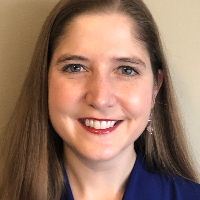
Priscilla Rogers
LMHP
Nebraska - 8 yrs exp
















Understanding Client-Centered Therapy
Client-Centered Therapy, sometimes called person-centered therapy, centers on the belief that you know your experience best and that a supportive therapeutic relationship helps you access your own capacity for growth. The therapist offers empathic understanding, genuineness, and acceptance, and focuses on creating a relationship in which you feel heard rather than directing or interpreting your experience for you. This approach emerged from humanistic psychology and places emphasis on respect for your autonomy, the pace of change you set, and the present moment of your experience.
Core principles that guide the work
The approach rests on three main attitudes from the therapist: empathic listening, unconditional positive regard, and congruence - that is, being genuine and transparent. When these qualities are present, you are more likely to feel comfortable exploring difficult emotions, questioning long-held beliefs, and testing new ways of being. Rather than focusing on symptom reduction as an immediate goal, Client-Centered Therapy often prioritizes your ability to understand yourself more deeply and to make choices aligned with your values.
How Client-Centered Therapy is used by therapists in Nebraska
Therapists across Nebraska use Client-Centered principles in a range of settings - from small counseling offices in towns outside of Omaha and Lincoln to community clinics and online practices that reach people in Bellevue, Grand Island and beyond. Practitioners may combine person-centered attitudes with other therapeutic techniques when appropriate, tailoring sessions to your needs. In a rural area you might find therapists emphasizing practical problem-solving alongside empathic listening, while in an urban setting therapists may integrate person-centered work into longer-term relational or trauma-focused therapy.
Adapting the approach to local needs
Because Nebraska communities vary in size and culture, therapists often adapt their client-centered stance to match the priorities of the people they serve. In Omaha and Lincoln, where there is greater access to specialty mental health services, you can often find clinicians who integrate client-centered care with additional training in couples work, grief counseling, or identity-focused therapy. In smaller communities, therapists may provide a broader range of support, helping with both emotional processing and practical life transitions in a way that respects your context and values.
Issues commonly addressed with Client-Centered Therapy
Client-Centered Therapy is useful for people seeking deeper self-understanding and improved emotional well-being. You might choose this approach if you are navigating life transitions, coping with anxiety or low mood, managing relationship difficulties, processing grief, or seeking support for self-esteem and identity questions. The approach is also helpful when you want a collaborative, non-authoritative therapeutic relationship that gives you room to explore without feeling pressured to follow a specific treatment plan.
When people often find it helpful
People who come to client-centered work frequently describe a desire to feel more understood and accepted. If you have experienced judgment in other settings or want a clinician who will follow your lead, this approach can provide a space to try out new perspectives at a pace that feels manageable. It can complement other therapies when practical strategies are needed, and it can stand alone as the primary approach when the goal is to strengthen self-awareness and emotional resilience.
What a typical Client-Centered Therapy session looks like online
An online session with a client-centered therapist in Nebraska typically begins with a brief check-in about how you are doing and what you want to focus on that day. The therapist will invite you to talk about what matters most and will reflect back what they hear in a way that helps you notice your own thoughts and feelings. Sessions usually last 45 to 60 minutes and are paced according to your needs - you do not need to always have a plan or set of goals to start.
Preparing for an online session
To make the most of an online appointment you should choose a quiet, undisturbed room where you can speak freely and focus. You might test your camera and microphone beforehand and clarify how you prefer to receive follow-up notes or appointment reminders. Many therapists will outline how virtual sessions work, including expectations around scheduling and cancellations. If you are connecting from a small town or a busy household, let your therapist know in advance so you can find the best time and setting together.
Who is a good candidate for Client-Centered Therapy
If you prefer a therapy that emphasizes being heard and accepted, you may find client-centered work a good fit. This approach often suits people who want to explore feelings and choices without a directive or problem-focused stance. It can also be a strong match for those who value a collaborative relationship and want to develop their own solutions over time. You do not need to have a diagnosis to benefit - many people use this therapy during periods of transition, relationship strain, or when seeking greater clarity about their goals and values.
Considerations and limitations
Client-Centered Therapy may not be the first choice if you need targeted behavioral strategies for acute crises or if you require a structured program with specific symptom-focused techniques. In many cases, therapists combine person-centered attitudes with other evidence-informed methods to meet such needs. If you have concerns about severe symptoms or safety, it is important to discuss these with a clinician so you can determine the best approach together.
How to find the right Client-Centered Therapy therapist in Nebraska
Start by considering practical factors such as whether you prefer in-person sessions in Omaha, Lincoln, Bellevue or Grand Island, or if you need the flexibility of online appointments. Look at therapist profiles for information about their training, areas of focus, and how they describe their therapeutic approach in their own words. Pay attention to whether they mention person-centered principles like empathy and nonjudgmental listening, and whether they speak to populations or issues that match your needs.
Questions to guide your search
When you contact a therapist, you might ask about their experience with client-centered methods, how they structure sessions, and what a typical course of therapy looks like for someone with concerns like yours. Ask about practical matters such as scheduling, fees, and whether they offer sliding-scale options if cost is a consideration. Trust your sense of fit - the relational quality between you and the therapist is a central part of client-centered work, so it is reasonable to try a few sessions before deciding if it feels right.
Making the most of therapy in Nebraska
Therapy is most helpful when you feel able to be open and when you and your therapist can collaborate on realistic steps forward. In Nebraska, you can often access therapists who balance empathetic listening with practical guidance based on your life circumstances. Whether you are meeting in an office near downtown Omaha, arranging sessions around a work schedule in Lincoln, or connecting from a rural community, the goal remains the same - to create a relationship that helps you explore, understand, and move toward the changes you want.
Use the listings above to read profiles, check credentials, and reach out to therapists who seem like a good match. An initial conversation can help you determine whether a client-centered approach feels supportive and whether the therapist's style aligns with what you are seeking. From there, you can begin the gradual work of self-exploration with someone whose role is to listen, reflect, and support the path you choose.