Find an Abandonment Therapist in Nevada
On this page you will find therapists across Nevada who focus on abandonment-related issues and attachment wounds. Browse the listings below to compare approaches, availability, and locations to find a good match.


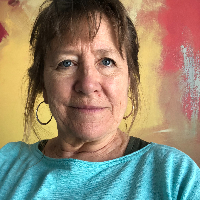
Felecia Dela-Sinqo
LCSW
Nevada - 7 yrs exp





















How abandonment therapy can help people in Nevada
If you have been struggling with fears of being left, patterns of clinging or withdrawal in relationships, or recurring feelings of emptiness after a breakup, abandonment-focused therapy can give you tools to understand and change those patterns. Therapy for abandonment begins by exploring how early experiences with caregivers and significant others shaped your expectations about closeness, trust, and safety. In a series of conversations and structured exercises, you and your therapist will trace how those early attachments show up now - in friendships, romantic relationships, work dynamics, and family interactions - and develop practical ways to respond differently.
Because Nevada includes both dense urban centers and wide rural areas, people come to abandonment therapy with diverse life contexts. You might be navigating a high-paced social scene in Las Vegas, balancing family and work in Henderson, or managing long commutes and limited local options outside Reno. Abandonment therapy is adapted to your life circumstances, so a therapist will help you apply new skills where you live, work, and form relationships.
Finding specialized abandonment help in Nevada
Looking for a therapist who specializes in abandonment means focusing on clinicians who have training and experience with attachment issues, loss, and relational trauma. You can start your search by reading therapist profiles to see who emphasizes attachment-based work, emotion-focused methods, or trauma-informed approaches. In larger cities like Las Vegas and Reno there tends to be a broader range of specialties and training backgrounds to choose from, while in smaller communities you may find therapists who combine multiple areas of expertise to meet similar needs.
If you live in Henderson or another city where in-person options are limited, consider clinicians who offer flexible scheduling or hybrid care. Many therapists in Nevada integrate talk therapy with skills training - such as grounding practices, communication tools, and emotion regulation techniques - tailored to abandonment-related wounds. When you review profiles, pay attention to descriptions of how a therapist works with relationship patterns, manages grief or separation, and supports recovery from attachment ruptures.
What to expect from online therapy for abandonment
Online therapy can expand your options when you are seeking a specialist who understands abandonment issues. If you live outside a major hub, virtual sessions make it easier to connect with clinicians based in Las Vegas, Henderson, or Reno without long travel. In an online session you should expect a focused conversation about your history and current patterns, practical exercises you can use between sessions, and collaborative goal-setting. Many therapists pair weekly conversations with short between-session practices that help you notice triggers and rehearse different responses to feelings of rejection or loss.
When you start online work, make sure you have a comfortable, quiet spot where you can speak freely and concentrate. Your therapist will discuss boundaries, session structure, and ways to manage intense emotions that might come up. If you are concerned about privacy in your home environment, talk with the therapist about options for discreet scheduling or alternative spaces where you can attend sessions. Online therapy can be particularly useful during times of transition - such as after a breakup, relocation, or family estrangement - because it allows for continuity of care even if your living situation changes.
Common signs that you might benefit from abandonment therapy
You might consider seeking abandonment-focused care if you notice recurring patterns that interfere with your relationships or wellbeing. Common signs include intense fear of being left even when evidence suggests otherwise, repeated cycle of partner selection that ends in loss, or persistent difficulty staying close to others without feeling panicked or resentful. You may also experience strong reactions to perceived slights, an ongoing need for reassurance that strains relationships, or avoidance of intimacy to prevent anticipated hurt.
These patterns often surface after significant life events - a breakup, relocation, the death of a loved one, or even career changes that alter your social supports. In Nevada, these life changes can be shaped by local factors - the transient population in some parts of Las Vegas, job shifts in hospitality and service industries, or the challenges of maintaining relationships across long distances in rural counties. If these issues are taking up energy or preventing you from forming the connections you want, working with a therapist who understands attachment and abandonment can help you build more stable, satisfying relationships.
Practical tips for choosing the right abandonment therapist in Nevada
Start by clarifying what you want to change and how you hope therapy will help. Are you looking to manage intense abandonment anxiety, heal from a past separation, improve communication with a partner, or strengthen your sense of self? Once you have a sense of goals, look for therapists whose profiles describe experience with attachment-focused work, emotion regulation, grief, or relational trauma. In Las Vegas and Reno you may find a wider variety of modalities; in smaller Nevada cities you might look for clinicians who emphasize flexible approaches that fit multiple concerns.
When you contact a therapist, ask about their experience working with abandonment issues, how they approach treatment, and what outcomes others have reported. It is reasonable to inquire about session frequency, how the therapist handles crisis moments, and whether they offer supplemental resources such as handouts or recommended exercises. Pay attention to how the therapist responds during your initial contact - a clear explanation of methods, transparent scheduling options, and a plan for how you would begin work together can help you assess fit.
Logistics matter. Consider whether you prefer in-person sessions in cities like Henderson or North Las Vegas, or whether online appointments better fit your schedule and geography. Think about cost and whether the therapist offers a sliding scale or can assist with insurance questions. You should also pay attention to practical elements like session length and cancellation policies so you can find a plan that fits your life.
What progress looks like and next steps
Progress in abandonment therapy is often gradual and measured in changes to how you respond to triggers rather than a sudden disappearance of fear. You might notice that you are better able to describe your needs to partners without escalating, tolerate temporary uncertainty without panicking, or feel less driven to test relationships in ways that push others away. These shifts usually follow consistent practice and a growing awareness of the beliefs and memories that fuel abandonment reactions.
To get started, review profiles for therapists who mention attachment, relationship repair, or grief work, and schedule an initial consultation to see if their style fits you. If you are in or near Las Vegas, Henderson, or Reno, you may have options for both in-person and online sessions. If you live farther from these centers, online therapy can bridge the distance and connect you with specialists who focus on abandonment and attachment injuries.
Ultimately, choosing a therapist is a personal decision. Trust your sense of comfort during the first few sessions, and allow yourself to switch providers if the fit is not right. With the right support, you can learn to navigate fears of abandonment in a way that allows you to build more resilient and fulfilling relationships across Nevada and beyond.