Find an Avoidant Personality Therapist in Nevada
This page lists Nevada clinicians who specialize in Avoidant Personality concerns, with options for in-person and online care across the state. Browse the therapist profiles below to compare experience, approaches, and availability.


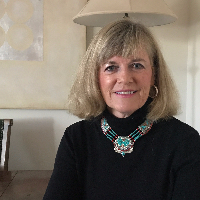
Felecia Dela-Sinqo
LCSW
Nevada - 7 yrs exp









Understanding how avoidant personality therapy can help you in Nevada
If you live in Nevada and find that fear of criticism, social withdrawal, or difficulty forming close relationships limit your life, therapy focused on avoidant personality concerns can offer a path forward. Therapy is not about labeling you but about identifying patterns that make connection and participation harder, then working with a clinician to practice new ways of thinking, relating, and acting. Across Nevada - from Las Vegas and Henderson to Reno and smaller towns - therapists use a range of approaches to help you reduce avoidance and increase confidence in social, work, and personal settings.
What therapy typically looks like
When you begin work with a clinician, the first sessions usually involve assessment and goal setting. Your therapist will ask about your history, relationships, and current difficulties so you both can agree on realistic steps. From there you may try therapy approaches that have shown usefulness for avoidant patterns, such as cognitive-behavioral techniques that address negative beliefs about yourself, interpersonally focused work that helps you practice relating differently, and gradual exposure to situations you tend to avoid. Therapy often includes skill building - such as social skills practice, assertiveness training, and strategies to manage anxiety - combined with exploration of how past experiences shaped current fears. Progress is typically gradual, and your therapist will help you measure small wins while adjusting the plan to fit your needs.
Finding specialized help for avoidant personality in Nevada
Searching for a clinician who understands avoidant personality traits can feel overwhelming, but there are practical ways to narrow your options. Look for therapists who list experience with social anxiety, personality-related interpersonal patterns, or long-term relational concerns, as those areas overlap with avoidant presentations. Pay attention to training and licensure information, therapeutic approaches, and whether a therapist mentions experience with adults, adolescents, or couples if that matters to you. If you live near Las Vegas or Henderson you will often find a wider range of specialties and evening appointments, while Reno and surrounding communities may have clinicians who offer deeper local knowledge about community resources and supports. If you live outside major cities, online sessions can expand your options without a long commute.
Licensing and practical considerations
When you evaluate profiles, consider practical details such as session length, fee structure, and whether a clinician accepts your insurance or offers a sliding scale. You can also note language, cultural competence, and experience with populations relevant to your life. Many Nevada therapists provide both in-person appointments and remote sessions, which can be helpful if you are balancing travel, work, or family responsibilities. Asking about a therapist's approach to avoidant themes during an initial consultation will help you judge whether their style and expectations align with your goals.
What to expect from online therapy for avoidant personality
Online therapy can be especially useful if social anxiety or avoidance makes leaving home difficult. You can begin with remote sessions and gradually transition to in-person meetings if that feels right. Online work often uses the same therapeutic techniques as face-to-face care - cognitive-behavioral strategies, role-play, and exposure exercises can be adapted to a video format. You should plan for a private place to talk, a stable internet connection, and a device with video capabilities. Some people discover that starting therapy from home lowers the initial barrier to reach out, and that practicing new social skills in controlled online settings builds confidence for real-world situations.
Limitations and solutions
There are occasions when in-person sessions offer advantages, such as role-play with more nuanced body language or hands-on community-based exposure work. If you live in Las Vegas, Henderson, or Reno, you may be able to combine online sessions with occasional in-person meetings for a blended approach. Discuss with your clinician how to structure therapy so it supports incremental steps toward the specific social situations that are meaningful to you.
Signs you might benefit from avoidant personality-focused therapy
You might consider seeking specialized help if you frequently avoid social events, worry intensely about being rejected or embarrassed, or pass up career and relationship opportunities because of fear of criticism. If you notice a persistent pattern of low self-esteem, extreme sensitivity to negative feedback, or difficulty trusting that others will accept you, these are reasons to explore therapy. You do not need to meet a formal diagnosis to benefit from focused therapeutic work; many people seek help when patterns interfere with daily functioning, relationships, or sense of well-being.
Tips for choosing the right therapist in Nevada
Finding a good fit matters more than finding a particular label. Start by reading therapist profiles and noting those who describe experience with avoidant features or related concerns like social anxiety and long-term relationship patterns. During an initial phone or video consultation, ask how they structure work on avoidance, what techniques they use for exposure and skills practice, and how they measure progress. Pay attention to whether they describe a collaborative approach and whether their session pace matches your readiness for change. Consider logistics - proximity to your home or workplace in cities like Las Vegas or Reno, availability for evening sessions if you work during the day, and whether they accept your insurance or offer a sliding fee if cost is a concern.
Questions to ask and red flags to notice
It's reasonable to ask a prospective therapist about their experience with avoidant patterns and to request an explanation of their typical treatment plan. You should feel comfortable discussing expectations for homework, frequency of sessions, and how they handle setbacks. If a therapist avoids answering your questions about methods or seems dismissive of your concerns, that may not be a good fit. A strong therapeutic relationship is built on mutual respect, clear communication, and shared goals.
Making the most of therapy once you begin
Once you start working with a therapist, set small, achievable goals and celebrate incremental progress. You may begin with manageable social experiments - brief interactions or structured conversations - and expand as your confidence grows. Keep your therapist informed about what feels helpful and what does not, and be prepared to try different techniques if progress stalls. Many people find that combining skills practice with reflective work about early experiences yields durable change. If you live near community centers, universities, or peer groups in places like Las Vegas or Reno, ask your therapist about local opportunities to practice social skills in real life.
Choosing therapy is a step toward a different way of relating to yourself and others. By focusing on connection, skill building, and gradual exposure to feared situations, you can reduce avoidance and open new possibilities for work, relationships, and community life in Nevada. Use the listings above to reach out and compare clinicians until you find someone whose expertise and approach fit your needs.