Find a Family Therapist in Nevada
Browse profiles of licensed family therapists serving communities across Nevada, from Las Vegas to Reno. Use the listings below to compare specialties, approaches, and locations and find a therapist who fits your family’s needs.



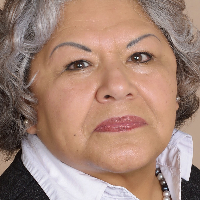
Felecia Dela-Sinqo
LCSW
Nevada - 7 yrs exp





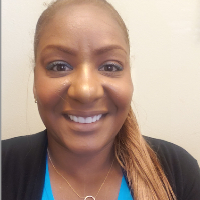
Jessica Colarco
LCSW
Nevada - 20 yrs exp














How family therapy works for Nevada residents
Family therapy focuses on relationships and interactions within a family system rather than on one individual in isolation. When you engage in family therapy in Nevada you will work with a clinician who helps the household identify patterns of communication, roles, and stressors that affect the family as a whole. Sessions often include multiple family members, though some clinicians begin with individual meetings to assess needs and build rapport before bringing everyone together. Goals are practical and relational - improving communication, resolving conflict, supporting transitions, and building strategies that work for your daily life.
Therapists use a blend of evidence-informed methods tailored to your situation. They will ask about family history, current stressors such as work schedules or school challenges, and the goals each member hopes to reach. You can expect an assessment phase that clarifies what is happening, a planning phase that sets measurable goals, and regular sessions that track progress and adjust approaches as needed. Because family therapy focuses on interactions, progress often shows up in clearer conversations, fewer repeated conflicts, and more effective problem-solving at home.
Finding specialized help for family issues in Nevada
Nevada’s communities vary from dense urban centers to rural towns, and that diversity affects the kinds of family concerns clinicians see. In Las Vegas and Henderson you may find therapists who have experience with schedules that include shift work or industries tied to tourism. In Reno and Sparks clinicians may have more experience addressing the needs of families in small urban and mountain communities. If your family is dealing with specific challenges - such as blended family dynamics, teen behavioral concerns, caregiving for older relatives, or the stress of relocation - look for therapists who list those specialties in their profiles. You can also search for clinicians who have training in working with children, adolescents, or multi-generational households to ensure the therapist has relevant experience.
When you review profiles consider each clinician’s training and stated approach. Many family therapists are licensed marriage and family therapists, licensed clinical social workers, or licensed professional counselors with extra training in family systems. Certifications in trauma-informed care, parenting support, or adolescent therapy can be useful depending on your needs. If cultural or language considerations matter to your family, check for therapists who have experience with the communities you come from or who offer services in a preferred language. Geography can matter too - if in-person visits are important, focus on therapists near your city or neighborhood. If scheduling, transportation, or distance are challenges, prioritize clinicians who offer remote sessions.
What to expect from online family therapy
Online family therapy can be an accessible option if family members live in different places, have irregular work hours, or find it hard to travel. In a remote session you will connect with your therapist over a secure video platform that allows multiple people to join from separate locations. The therapist will guide conversation, manage turn-taking, and use visual tools or screen sharing when helpful. Sessions often require a bit more planning so that anyone joining from home has a private, quiet spot and a reliable internet connection. If children are involved you may need to prepare activities or structure parts of the session to keep them engaged.
Online sessions can look similar to in-person work in terms of goals and techniques. Therapists adapt activities so they work in a virtual format, and many clinicians use worksheets, digital resources, or follow-up emails to support practice between sessions. You should discuss technology expectations, etiquette for participating, and how to handle disruptions before you begin. Online family therapy also makes continuity easier when life events or travel would otherwise interrupt care, and it can broaden your options to include therapists based in other Nevada cities such as Las Vegas, Henderson, or Reno.
Common signs someone might benefit from family therapy
You might consider family therapy if communication feels strained or conversations frequently turn into arguments that do not resolve. When family members withdraw, avoid important topics, or repeatedly misunderstand each other, a therapist can help create new patterns of interaction. If behavioral changes appear in a child or teen - such as falling grades, increased irritability, sudden changes in sleep or appetite, or withdrawing from family activities - those can be signals that the family could benefit from support. Caregiver burnout or ongoing stress around elder care and medical needs often shifts family dynamics, and a therapist can help clarify roles and set reasonable expectations.
Other signs include significant life transitions that the family is struggling to navigate - moves, divorce, new partners, or changes in employment. Trauma or loss that affects multiple family members may also benefit from a coordinated approach so everyone’s needs are addressed. If your family finds itself repeating the same conflict without progress, or if important decisions keep getting delayed because no one can agree on a path forward, family therapy offers tools to make decision-making more productive and less emotionally draining.
Practical tips for choosing the right family therapist in Nevada
Start by clarifying what outcome you want from therapy. If your focus is better daily communication, that may point you toward clinicians who emphasize skill-building and practical tools. If the concern involves complex histories or trauma, look for therapists who describe trauma-informed or systemic trauma approaches. Once you have a goal in mind, read therapist profiles for listed specialties, years of experience, and any mention of working with families similar to yours. In cities like Las Vegas, Henderson, and Reno you may have more options, so use the initial conversation to narrow the field based on fit rather than availability alone.
Prepare a short list of questions for an initial consultation. Ask about the therapist’s training with family systems, how they structure sessions, what they see as realistic timelines, and how they involve each family member. Inquire about availability for evening or weekend appointments if that is needed given your work or school schedules. If cost is a concern, ask about insurance participation, sliding scale options, or community resources that can help. If you prefer in-person sessions, consider location and parking; if remote sessions are preferable, verify the technology platform and whether the therapist has experience managing multi-user video sessions.
Trust your sense of fit after a few meetings. It is normal for the early sessions to feel a bit awkward as roles and patterns are explored. A good therapist will explain the work, set clear goals, and invite feedback about what is and is not helpful. If progress stalls or the approach does not align with your family’s needs, it is reasonable to look for another clinician whose style better matches your preferences. Finding the right therapist can make the difference between short-term relief and lasting change in how your family relates to one another.
Accessing family therapy across Nevada
Whether you are searching from the Las Vegas valley, Henderson, or the Reno area, you will find a range of therapists who offer different models of care. Urban centers often provide more specialized services while smaller communities may offer clinicians who adopt a broad skill set to meet varied needs. Telehealth expands the options further, letting you connect across county lines without travel. Reach out to clinicians, ask about their approach, and think about practical matters such as scheduling and cost as part of your decision-making. Taking that first step can open a path toward clearer communication, more effective problem-solving, and a healthier family dynamic in everyday life.
Next steps
Begin by reviewing therapist profiles in your area, filtering for family-focused experience and availability that suits your household. Schedule brief consultations to discuss your goals and get a feel for each therapist’s approach. With a thoughtful search and a few trial sessions you can find a clinician who helps your family move from stressed interactions toward productive conversations and practical solutions.