Find a Guilt and Shame Therapist in Nevada
This page lists Nevada clinicians who focus on guilt and shame, with information about their therapeutic approaches and areas of expertise. Browse the profiles below to compare experience, methods, and availability across Nevada.

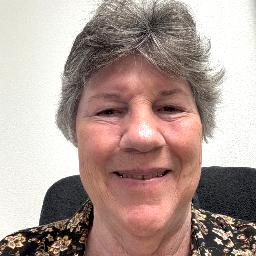


Felecia Dela-Sinqo
LCSW
Nevada - 7 yrs exp







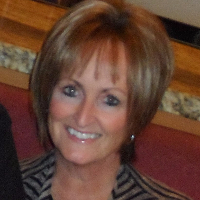

Jessica Colarco
LCSW
Nevada - 20 yrs exp










How therapy for guilt and shame typically works
If you are struggling with guilt or shame, therapy gives you a structured place to examine the thoughts and experiences that keep those feelings active. Counselors trained in this specialty often help you trace the beliefs and memories that feed self-blame, then introduce practical strategies to reduce rumination and restore a healthier sense of self. Sessions combine listening and reflection with targeted interventions - you will practice new ways of thinking, experiment with behavior changes, and learn skills to respond differently when old patterns arise.
Approaches you may encounter
Several evidence-informed approaches are commonly used when addressing guilt and shame. Cognitive-behavioral methods help you identify unhelpful thought patterns and test assumptions. Compassion-focused approaches emphasize building self-compassion and reducing harsh internal criticism. Acceptance-based therapies teach you to observe difficult feelings without getting carried away by them. Some clinicians integrate narrative or psychodynamic work to explore how family, culture, and life events shaped your beliefs about worth and blame. You can expect a therapist to explain their preferred approach and to tailor work to your needs and pace.
How this works for Nevada residents
Your location in Nevada shapes what options feel accessible and familiar. In larger urban areas like Las Vegas, Henderson, and Reno you will often find clinicians who specialize in a wide range of modalities and who have experience with complex cases. In smaller communities such as North Las Vegas or Sparks, options may be fewer in person, but many clinicians offer remote sessions that bridge distance. Nevada also has a mix of cultural backgrounds - tourism-driven communities, long-term residents, military-connected families, and rural populations - and a skilled clinician will consider those local influences when helping you understand guilt and shame in your life.
Local considerations
When you seek therapy in Nevada, you might weigh travel time, traffic patterns in metropolitan areas, and the seasonality of work in certain regions. If you commute in or near Las Vegas, evening or weekend appointments may be especially useful. If you live outside a city center, telehealth can provide continuity of care without long drives. It is also common to find community clinics, nonprofit programs, and university-affiliated services that can complement individual therapy when cost or scheduling is a concern.
Finding specialized help for guilt and shame in Nevada
Start by looking for clinicians who list guilt, shame, or self-forgiveness among their specialties. Many therapists describe the populations they work with, such as adults, couples, or trauma survivors, and the techniques they use. You can filter searches by areas of focus and then read therapist profiles to understand their training and background. Consider reaching out to ask a few brief questions before committing to a first session - a short conversation can tell you whether the therapist's style and experience feel like a match.
Credentials and fit
Licensure and professional training matter, but fit matters just as much. You will want a clinician who has working experience with issues similar to yours and who communicates in a way that feels respectful and clear. You might prioritize someone who has specific training in compassion-based treatments or trauma-informed care if your guilt is entwined with past events. If faith, culture, or identity are central to how you experience shame, look for a therapist who names cultural competence or related experience on their profile.
What to expect from online therapy for guilt and shame
Online therapy has become an important option across Nevada, particularly for people outside major city centers. When you choose remote sessions, you will typically meet via video or phone, and some clinicians also offer text-based messaging between appointments. Online work can be very effective for processing guilt and shame because it lets you access specialized clinicians who might not be nearby and it allows you to schedule sessions around work or family obligations. Building rapport over video can feel different from meeting in an office, so you may want to try a few sessions to see how it works for you.
Practical considerations for telehealth
Before your first online appointment, make sure you have a quiet, comfortable place to talk and a reliable internet connection. Ask the clinician about how they handle privacy and record keeping, and confirm that they are licensed to practice in Nevada. It is also useful to discuss what happens if you experience a crisis between sessions - a responsible therapist will have a plan for connecting you to local emergency resources if needed. Remote therapy can expand your options, but you should feel clear about logistics and boundaries before beginning.
Common signs that you might benefit from guilt and shame therapy
You might consider seeking specialized help if guilt or shame shows up so often that it interferes with daily life. Persistent self-blame that does not match the situation, repeated avoidance of people or activities because of fear of judgment, or an inner critic that erodes your self-worth are common indicators. Relationship patterns such as over-apologizing, difficulty trusting others, or self-sabotage in work or intimacy can also point to unresolved shame. People often report chronic rumination, feelings of being “less than,” or reluctance to try new things because of fear of failure. If these experiences are familiar, targeted therapy can help you unpack underlying beliefs and develop new ways of relating to yourself.
Tips for choosing the right therapist for this specialty in Nevada
Trust your sense of fit when evaluating clinicians. Look for a therapist who describes experience with guilt or shame and who can name specific methods they use. You may prefer someone who emphasizes self-compassion work, or a clinician who blends cognitive and experiential techniques. Ask about the expected cadence of sessions and whether homework or between-session practices are part of the approach. Consider practical items like location, evening availability, and whether the therapist accepts your insurance or offers a sliding fee arrangement. If you live in or near Las Vegas or Reno, you may have more options for in-person work, while Henderson, North Las Vegas, and Sparks may offer a mix of in-person and telehealth choices.
Questions to ask on contact
When you make initial contact, it can be helpful to ask how the therapist typically works with guilt and shame, what outcomes they aim for, and how they measure progress. You might also ask about their experience with people from backgrounds like yours, and whether they have experience with related issues such as trauma, relationship difficulties, or major life transitions. A good clinician will welcome your questions and help you understand whether their approach matches your goals.
Finding continuity and support
Therapy is most effective when you feel a sense of continuity and trust with your clinician. Whether you choose someone in a bustling practice in Las Vegas or an online therapist who meets you at home, aim for regular sessions and open communication about what is and is not working. Over time you will likely notice shifts in how you respond to shame and guilt - you may find more self-compassion, greater ability to take responsibility without harsh self-judgment, and improved relationships. If your needs change, a clinician can often adapt the plan or refer you to additional resources such as group work or specialized programs in Nevada.
If you are ready to begin, use the profiles above to compare clinicians, reach out for a brief consultation, and choose the person who feels like the best fit for the kind of change you want. Healing from guilt and shame is a process, and the right therapeutic relationship can give you tools, perspective, and practice to move forward with greater resilience.