Find a Cognitive Behavioral Therapy (CBT) Therapist in Nevada
Cognitive Behavioral Therapy (CBT) is a structured, evidence-informed approach that helps people identify and change unhelpful thoughts and behaviors. Browse experienced CBT practitioners in Nevada below to find a clinician who matches your goals.





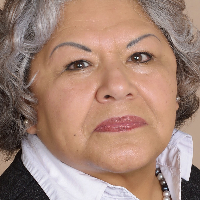
Felecia Dela-Sinqo
LCSW
Nevada - 7 yrs exp







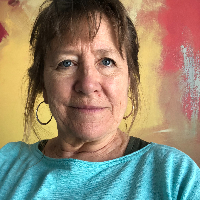
Jessica Colarco
LCSW
Nevada - 20 yrs exp










What is Cognitive Behavioral Therapy and the principles behind it
Cognitive Behavioral Therapy, often called CBT, is a collaborative, goal-oriented form of psychotherapy. At its core, CBT assumes that your thoughts, feelings, and behaviors are connected, and that by identifying patterns of thinking you can shift how you respond to difficult situations. The approach places emphasis on practical strategies you can use in day-to-day life, and progress is often measured through observable changes in mood, coping, and activity levels rather than abstract theory.
The practice of CBT draws on a handful of key principles. You will work with a therapist to notice automatic thoughts that arise in stressful moments, test the accuracy of those thoughts, and experiment with alternative ways of thinking. Therapy also focuses on behavioral experiments - trying new actions in real life to gather evidence and build new habits. Sessions are typically structured and time-limited, with homework or between-session tasks that reinforce what you work on in therapy.
How CBT is used by therapists in Nevada
Therapists across Nevada use CBT in a range of settings, from private practices in neighborhoods of Las Vegas and Henderson to community clinics and university-affiliated services in Reno. In urban areas like Las Vegas, you may find clinicians offering a mix of in-person and telehealth options to suit busy schedules. In smaller communities and suburban neighborhoods, therapists frequently adapt CBT techniques to be culturally relevant and practical for local needs, integrating the approach with family work, life stress management, or vocational concerns.
In session, Nevada clinicians often tailor CBT to your concerns rather than applying a single rigid protocol. For example, a therapist working with anxiety may prioritize exposure-based techniques and cognitive restructuring, while one helping with mood-related challenges may place more emphasis on activity scheduling and behavioral activation. Across settings, you can expect emphasis on measurable goals, collaborative agenda-setting, and clear feedback on progress.
What types of issues CBT is commonly used for
CBT is widely used for a range of emotional and behavioral concerns. You will find it employed to address persistent worry, panic, social anxiety, and phobias by helping you test fearful predictions and gradually approach avoided situations. For low mood and depressive symptoms, CBT focuses on increasing activity, identifying negative thinking patterns, and rebuilding routines that support energy and motivation. It is also commonly used to support people managing stress, sleep difficulties, obsessive thoughts, and certain behavioral challenges.
Clinicians also adapt CBT techniques for co-occurring life challenges such as relationship strain, work-related stress, and adjustment to major life transitions. In Nevada, practitioners often combine CBT with culturally informed approaches so that interventions are relevant to your background and the practical realities of where you live, whether you are commuting in Las Vegas, balancing family life in Henderson, or studying in Reno.
What a typical CBT session looks like online
If you choose online CBT, a typical session begins with a brief check-in about how you have been since your last appointment and any progress or challenges with between-session tasks. You and your therapist will set a focused agenda for the session, deciding together what to prioritize. The therapist will guide you through targeted techniques such as cognitive restructuring - identifying and testing automatic thoughts - or a behavioral exercise designed to shift an unhelpful pattern.
Sessions often include teaching a specific skill, role-play or behavioral rehearsal, and agreement on a short practice assignment to use between meetings. Many therapists will use video to maintain face-to-face connection and may share worksheets or thought records on screen to complete together. If you prefer phone sessions, therapists can adapt materials and verbally guide you through the same steps. Before starting online sessions, you can expect to review privacy practices, session length, fees, and technical requirements so you know what to expect and how to prepare.
Who is a good candidate for CBT
CBT is a flexible approach that can work for many people. You may be a good candidate if you are willing to engage in structured work, complete between-session practice, and try specific strategies to change thinking and behavior. People who prefer clear goals, measurable progress, and a collaborative style of therapy often find CBT a good fit. It can be helpful whether you are seeking short-term support for a specific problem or a longer-term plan to manage recurring patterns.
Some people benefit from combining CBT with other forms of care when challenges are complex. Your therapist can discuss whether CBT alone is likely to meet your goals or whether an integrated approach makes sense. Regardless of where you are in Nevada, from the suburbs of North Las Vegas to the downtown neighborhoods of Sparks, you should look for a clinician who explains how CBT will be applied in a way that feels useful and realistic for your life.
How to find the right CBT therapist in Nevada
When you are looking for the right CBT therapist, start by clarifying what matters most to you. Consider whether you prefer in-person sessions in a comfortable environment or the convenience of virtual meetings. Think about specialties such as anxiety, depression, trauma-informed work, or adolescent therapy, and look for clinicians who list experience in those areas. In regions like Las Vegas and Reno you may find a wider variety of approaches, so checking profiles for training in CBT and any additional certifications can help you choose.
Practical considerations matter as well. Pay attention to session length and frequency options, fee structures, and whether a clinician accepts your insurance or offers a sliding scale. Many therapists include a brief introductory phone call or consultation - use that opportunity to ask how they structure CBT, what a typical treatment timeline looks like, and how they track progress. You should also consider cultural fit and communication style. A good therapist will welcome your questions and work with you to set meaningful, achievable goals.
Preparing for your first CBT session
Before your first appointment, it helps to spend a little time thinking about what brought you to therapy and what you hope to change. You might note recent situations that were difficult, recurring thoughts that bother you, and goals you want to pursue. If you are planning online sessions, test your technology in advance and choose a quiet, comfortable space where you can talk without interruptions. During the first sessions your therapist will ask about history, current stressors, and your goals, and will likely suggest short-term tasks to begin building momentum.
Connecting with a CBT therapist in Nevada
Whether you live in Las Vegas, Henderson, Reno, or another Nevada community, finding a CBT therapist who fits your goals can help you build practical skills and create meaningful change. Use the listings above to compare specialties, availability, and treatment approaches. When you reach out, a thoughtful clinician will explain how they apply CBT to your concerns and help you decide on the next steps. Taking that first step can feel challenging, but you do not have to figure it out alone - the right professional match can make the process clearer and more effective.
Start by reviewing profiles and contacting therapists whose experience and approach resonate with you. A short conversation can help you determine whether a therapist's style and expertise will support your goals and make it easier to commit to the work ahead. If you are ready to begin, book a consultation and explore whether CBT is the best path forward for your situation.