Find a Women's Issues Therapist in Nevada
This page connects you with therapists in Nevada who focus on women's issues, offering both in-person and online care across the state. Browse the listings below to compare specialties, approaches, and locations to find a clinician who may be a good fit for your needs.






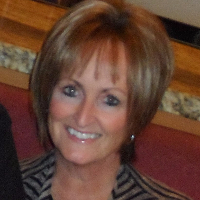


Jessica Colarco
LCSW
Nevada - 20 yrs exp













How women's issues therapy works for Nevada residents
When you seek therapy for women's issues in Nevada, you are looking for support that understands the specific challenges many women face at different life stages. Therapy is a collaborative process where you and a licensed clinician work together to identify concerns, clarify priorities, and develop practical strategies to improve emotional well-being and daily functioning. Sessions often begin with an intake conversation to review your history, current stressors, and goals. From there, a therapist will propose a plan that may include regular sessions, suggested coping exercises, and referrals to community resources when appropriate.
Therapists who specialize in women's issues typically blend evidence-based approaches with a sensitivity to gender-specific factors such as reproductive health, relationship dynamics, caregiving responsibilities, and workplace stress. You can expect an emphasis on building skills as well as exploring underlying patterns that contribute to distress. The pace and focus will be tailored to your comfort level and the matters you want to address.
Finding specialized help for women's issues in Nevada
Finding a therapist who understands the nuances of women's experiences is often about matching your concerns with a clinician's training and experience. Look for providers who list women's health, perinatal support, relationship issues, trauma-informed care, or life transitions among their specialties. Many Nevada therapists mention areas of focus on their profiles, along with information about therapeutic approaches and training that clarify how they work.
Geography plays a role too. If you prefer in-person sessions you may search for clinicians near you in communities such as Las Vegas, Henderson, or Reno. Urban centers typically offer a wider variety of specialties and appointment times, while smaller towns may provide a closer, more community-centered approach. If mobility, work schedules, or caregiving make travel difficult, online therapy can expand your options and connect you with therapists across the state who have the right expertise.
Licensing and credentials
You should check that a therapist is licensed to practice in Nevada and that their credentials match the level of care you want. Licenses commonly held by therapists include clinical social work, marriage and family therapy, professional counseling, and psychology. Many therapists include their educational background and certifications on their profiles so you can get a sense of their training in women's issues, trauma, reproductive mental health, or family systems.
What to expect from online therapy for women's issues
Online therapy has become a practical way to receive consistent care without the need to commute. If you choose virtual sessions, you can expect many of the same therapeutic processes as in-person work - assessment, goal setting, skill-building, and a safe place to reflect. Online sessions often offer greater scheduling flexibility and access to specialists who might not be available locally. For example, you might find a clinician in Reno with a particular focus on perimenopause or reproductive loss who can support you from a distance.
When starting online therapy, it helps to create a quiet, comfortable environment where you can speak freely. Consider the platform's features - video, audio, or messaging - and discuss with the therapist how they handle session notes and follow-up. Online care can be especially helpful if you live in more remote parts of Nevada or if you need to work around parenting or job schedules. Some therapists offer a mix of in-person and virtual appointments so you can use whichever format fits your needs at a given time.
Common signs that you might benefit from women's issues therapy
There are a variety of reasons people seek help for women's issues, and you do not need to wait until problems feel overwhelming to reach out. You might consider therapy if you notice persistent changes in mood or energy that affect daily life, difficulty managing stress related to work or family roles, or relationship struggles that keep recurring. Significant life transitions - such as pregnancy, postpartum adjustment, divorce, menopause, or becoming a caregiver - often bring emotional challenges that benefit from focused support.
You may also seek help for specific concerns like experiencing pressure at work, coping with gender-based discrimination, navigating fertility or reproductive loss, or managing anxiety tied to body image. Even if the issue feels private or complicated, a skilled therapist can help you sort through feelings, identify coping strategies, and clarify next steps. Trust your sense that something is not right for you and consider an initial consultation to learn whether the therapist's approach feels comfortable.
Tips for choosing the right therapist for this specialty in Nevada
Choosing a therapist is a personal decision and it can help to approach it as you would any important match. Start by identifying the most pressing issues you want to address and look for clinicians who highlight relevant experience. Read profiles carefully to learn about therapeutic approaches - such as cognitive behavioral therapy, trauma-informed care, or psychodynamic work - and consider which style resonates with you.
Pay attention to practical details as well. Location matters if you prefer face-to-face sessions, and many people find that proximity to landmarks or neighborhoods in Las Vegas, Henderson, or Reno influences their choice. Ask about availability, typical session length, and whether the therapist offers evening or weekend appointments if you need them. Cost and insurance coverage are also important to discuss up front so you can plan for sustainable care. If financial concerns are a barrier, inquire whether a therapist offers sliding scale fees or can refer you to affordable community resources.
Initial contact is an opportunity to get a sense of fit. A short consultation call or an introductory message can tell you a lot about a therapist's communication style, their approach to women's issues, and how they like to structure sessions. Trust your instincts about whether you feel heard and respected. It is common and perfectly acceptable to try a few clinicians before you find the one who feels right.
Practical considerations and next steps
Once you select a therapist, think about setting clear goals for your work together. Some people prefer short-term, goal-focused therapy to address a particular issue, while others choose longer-term support for deeper personal growth. You might want to discuss how progress will be measured and how often you will check in on goals. Keep in mind that the therapeutic relationship itself is one of the most important factors in positive outcomes, so allow some time for rapport to develop.
For Nevada residents who move between cities or travel for work, ask your therapist about continuity of care and how to maintain treatment during transitions. If you live in or near Las Vegas, Henderson, or Reno, you may find additional in-person resources such as support groups, women's health clinics, and community centers that complement therapy. If you choose online therapy, confirm that the clinician is licensed to practice in Nevada and that you understand any relevant policies about sessions and cancellations.
Taking the first step can feel daunting, but exploring profiles and requesting an initial consultation is a low-pressure way to find support. Whether you are facing a specific challenge or seeking a space to reflect and grow, a therapist who specializes in women's issues can help you navigate the choices ahead with practical tools and empathetic guidance. Use the listings above to compare options and reach out to clinicians who align with your needs and values.