Find a Blended Family Issues Therapist in New Hampshire
This directory highlights therapists in New Hampshire who specialize in blended family issues, from stepfamily adjustment to co-parenting and communication. Use the listings below to review provider profiles, areas of focus, and contact options across the state. Browse available clinicians serving Manchester, Nashua, Concord, and surrounding communities to find a good match.







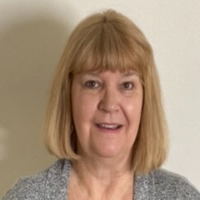

Heather Murphy
LCSW
New Hampshire - 13 yrs exp








How blended family issues therapy works for New Hampshire residents
If you are part of a blended family in New Hampshire you may be navigating changes in roles, routines, and relationships. Therapy for blended family issues typically focuses on improving communication, setting realistic expectations, and building cooperative parenting approaches that respect each person in the household. Sessions may include individual work, couple sessions, and family meetings where everyone has a chance to be heard. Many therapists in the state use evidence-informed approaches that help families develop new patterns - for example, setting boundaries, creating step-parenting strategies, and negotiating schedules and responsibilities.
Therapists who focus on blended families often spend time mapping family dynamics and identifying sources of stress that are unique to stepfamily life. You can expect therapists to help translate emotional needs into concrete actions that create more predictable interactions at home. In New Hampshire, practitioners commonly work with families across different community contexts - from urban neighborhoods in Manchester and Nashua to more rural towns - and they tailor their approach to the rhythms of your daily life, school calendars, and local resources.
Finding specialized help for blended family issues in New Hampshire
When you search for help in New Hampshire, look for clinicians who list blended family issues, stepfamily counseling, or co-parenting support among their specialties. Many providers also highlight training in family systems work, parent coaching, or mediation, which can be useful when custody arrangements or blended household logistics create ongoing friction. You may prefer a therapist whose practice is near major hubs like Manchester, Nashua, or Concord if in-person sessions are important, or someone who offers flexible hours to accommodate school and work schedules.
Licensing and credentials give you a basic measure of professional standards. Therapists licensed in New Hampshire will adhere to state practice rules, and many bring additional training in family therapy models or child and adolescent development. If you want added clarity, you can check a clinician's profile for descriptions of their approach, typical session structure, and whether they have experience with the particular issues you are facing - for example, integrating children from different households or managing relationships with an ex-partner.
What to expect from online therapy for blended family issues
Online therapy is a practical option for families spread across locations or for those with tight schedules. If you opt for video or phone sessions, you will likely find it easier to coordinate meetings when one or more family members live outside your immediate area or have limited availability. Online sessions can be used for individual work, couple counseling, and sometimes for whole-family conversations when technology and privacy allow. Therapists may use screen-sharing to review resources, worksheets, or parenting plans during a session.
In New Hampshire, online therapy also helps families in rural communities access clinicians who may not have nearby offices. You will want to confirm that the therapist is licensed to provide care in New Hampshire and that they are comfortable conducting the type of family work you need through a remote format. Expect therapists to set clear boundaries for online sessions, to offer guidelines about who will join each meeting, and to discuss how to handle difficult moments that can arise when emotions escalate during a virtual conversation.
Practical considerations for online family sessions
Before beginning remote sessions, discuss with your therapist how to structure appointments when multiple people participate. Some clinicians recommend starting with individual or couple sessions and then scheduling family meetings when everyone is ready. You should also talk through technical logistics - such as where each person will join from and how you will manage interruptions - so that the session time is focused and constructive. If children will participate, choose a time when they are alert and able to engage, and let the clinician know about any attention or behavioral needs ahead of time.
Common signs you might benefit from blended family issues therapy
You may find it helpful to seek a therapist if patterns of conflict, misunderstanding, or withdrawal persist despite your best efforts. Persistent arguments over parenting styles or household rules, struggling to establish a step-parent role, or repeated friction around visitation and scheduling are frequent reasons families look for support. Children who show increased anxiety, acting out, or school difficulties after household changes can also indicate that family dynamics need attention. When communication breaks down with an ex-partner in ways that complicate co-parenting, a neutral professional can help you develop clearer agreements and reduce tension.
Another sign that therapy might help is when daily life feels governed by logistics rather than relationships - for example, when meal times, bedtime routines, or discipline approaches lead to constant negotiation. You may notice that family members avoid spending time together or that new partners and stepchildren have trouble developing trust and shared rituals. In these situations, therapy provides a space to slow down, identify small changes that can improve daily interactions, and practice new ways of relating under a clinician's guidance.
Tips for choosing the right therapist for blended family issues in New Hampshire
Begin by clarifying what outcomes you hope to achieve - more collaborative parenting, smoother household routines, better step-parent-stepchild relationships, or reduced conflict with an ex-partner. Once you know your priorities, review therapist profiles for specific experience with blended families and for stated approaches that align with your preferences. If you prefer an evidence-informed model, look for clinicians who reference family systems therapy, cognitive-behavioral strategies for family conflict, or parenting interventions adapted to stepfamily contexts.
You should also consider logistical fit. If you live near Manchester or Nashua you may prefer clinicians with nearby offices for occasional in-person check-ins. If your family is spread across towns or has varied schedules, prioritize therapists who offer evening appointments or reliable online options. Pay attention to how clinicians describe their session structure and whether they are comfortable working with multiple family members in the room or remotely. A brief initial consultation can help you assess rapport and whether the therapist's tone and approach feel like a match for your family.
Trust your instincts about fit. It is normal to meet a few therapists before you find one who resonates. During early sessions you can evaluate whether the therapist asks thoughtful questions, listens to different family voices, and proposes practical steps that feel doable for your household. A therapist who helps you set short-term goals and measures progress can make it easier to see whether the work is helping over time.
Local resources and next steps
New Hampshire families benefit from a mix of local supports - schools, community programs, and parenting classes - that can complement therapy. If you live in Concord or nearby towns, your therapist may be able to recommend child-focused services or community-based resources to support transitions like school changes or custody arrangements. Even if you live farther from a city center, many clinicians maintain networks of professionals across the state and can offer referrals for specialized needs such as adolescent services or legal consultation related to custody planning.
When you are ready to begin, use the directory to filter providers by specialty, location, and availability. Reach out to schedule a consultation and use that first contact to ask about experience with blended families, typical session structure, and how the therapist measures progress. With the right support you can build routines, communication habits, and shared expectations that make daily life more manageable and help relationships within your blended family grow stronger over time.