Find a Solution-Focused Therapy Therapist in New Hampshire
Solution-Focused Therapy is a goal-oriented approach that helps people identify strengths and practical steps to move forward. You can find practitioners across New Hampshire who use this approach to support short-term and focused change.
Browse the listings below to compare therapists, read profiles, and connect with someone who fits your needs.



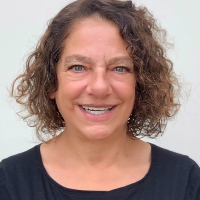







Heather Murphy
LCSW
New Hampshire - 13 yrs exp













What is Solution-Focused Therapy?
Solution-Focused Therapy is an approach that emphasizes your goals and resources rather than dwelling on past problems. It grew out of brief therapy traditions and focuses on building solutions that are realistic and immediately applicable to daily life. Therapists trained in this method work with you to identify small, concrete changes that can have meaningful impact, and they track progress through observable steps rather than lengthy analysis.
Core principles
At the center of this approach is the belief that small changes can create larger shifts. You and your therapist will explore exceptions - times when the problem is less severe or absent - to learn what already works for you. Sessions typically highlight strengths, skills, and existing supports so those assets can be used to design manageable next steps. The conversation often includes clear, measurable goals and collaborative planning so you can see progress as it happens.
How therapists in New Hampshire use this approach
Therapists across New Hampshire often integrate Solution-Focused techniques into broader practices to meet the needs of diverse communities. In more urban settings such as Manchester and Nashua, clinicians may apply these methods to help you handle work stress, relationship concerns, or transitions in busy lives. In smaller towns and in the state capital of Concord, therapists might emphasize family dynamics, parenting strategies, and coping with life changes in ways that fit your local context.
Practitioners in the state adapt the approach to fit different settings - some use it in short-term therapy programs, others blend it with cognitive-behavioral tools or coaching strategies. The approach is flexible, and many therapists favor it when you want focused, practical progress without a long-term, open-ended commitment.
Common issues Solution-Focused Therapy is used for
You will find this approach useful for a range of concerns where actionable steps and attainable goals matter. It is commonly used to address stress management, relationship difficulties, parenting challenges, workplace issues, and motivation for change. Therapists also use it to support life transitions such as moving to a new city, adjusting after a loss, or navigating career changes. Because the work concentrates on what you want to achieve and the resources you already have, it often suits people who prefer concrete strategies over exploratory therapy.
What a typical online session looks like
An online session with a Solution-Focused clinician often begins with a clear check-in about what you want to focus on that day. Your therapist may ask about recent moments where things went better than expected and what you did differently. Together you will set a concrete goal for the session and outline small, measurable steps to try between meetings. The therapist will offer constructive feedback and may suggest exercises you can practice in daily life.
Sessions are generally structured and time-focused, with an emphasis on collaboration. If you live in New Hampshire and choose to meet online, you can expect a process that translates well to video meetings. Therapists will use questions to guide reflection and planning, and they may follow up with brief summaries or action plans so you know what to try next. This format makes it easier to fit therapy into a busy schedule whether you are based near Manchester, commuting from Nashua, or living outside Concord.
Who is a good candidate for Solution-Focused Therapy?
This approach tends to appeal to people who want practical change within a limited time frame. If you prefer goal-driven work and tangible results, you may find it particularly useful. It works well when you have a clear idea of what you want to achieve, even if the steps to get there feel unclear. People who are ready to try experiments in daily life and report back on what worked often benefit the most.
Solution-Focused Therapy can be a good fit for adults, teens, couples, and families who want focused support. It can also work alongside other forms of treatment if you are addressing more complex or long-standing issues. If you are unsure whether it is right for you, an initial consultation with a New Hampshire clinician can help clarify whether the approach matches your style and goals.
Finding the right Solution-Focused therapist in New Hampshire
Choosing a therapist involves both practical and personal considerations. Start by looking at profiles that describe a clinician's training in brief and solution-focused methods and note whether they mention work with issues similar to yours. Consider logistics such as session format - many therapists offer both in-person appointments in Manchester, Nashua, or Concord and online meetings that can be scheduled around your life. Pay attention to availability, typical session length, and whether the clinician describes a collaborative, goal-oriented approach.
When you reach out for an initial appointment, prepare a few questions about how the therapist structures sessions and how progress is measured. Ask how they set goals with clients and what they suggest people try between sessions. A good match is one where you feel heard and where the proposed plan feels realistic and motivating. If you do not feel that connection after a session or two, it is reasonable to try a different clinician until you find someone whose style works for you.
Practical considerations specific to New Hampshire
New Hampshire's mix of urban centers and rural communities means availability and specialties may vary by location. In Manchester and Nashua you may find a wider range of clinicians and more evening or weekend openings. In Concord and surrounding towns, therapists often emphasize community-focused approaches and may have different scheduling patterns. If you prefer in-person work, check whether a clinician lists a local office and how easy it is to reach by transit or car. If you prefer online sessions, ask about technology needs and whether the therapist offers brief email or message check-ins between appointments when appropriate.
Finally, consider practical fit as much as theoretical fit. A therapist who explains Solution-Focused methods in a way that resonates with you and who helps you create clear, achievable steps will often lead to quicker, more noticeable progress. Take your time to browse profiles, read clinician descriptions, and schedule an initial conversation. That first step can help you find a professional in New Hampshire who supports your next practical move forward.