Find a Disruptive Mood Dysregulation Disorder (DMDD) Therapist in New Jersey
This page helps visitors locate therapists across New Jersey who specialize in Disruptive Mood Dysregulation Disorder (DMDD) and closely related mood and behavioral concerns. Browse the listings below to review provider profiles, service formats, and practice locations.

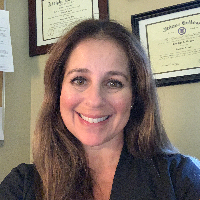
Jaime Barilla
LPC
New Jersey - 13 yrs exp






















How DMDD therapy works for New Jersey residents
When you seek therapy for Disruptive Mood Dysregulation Disorder (DMDD) in New Jersey, the process typically begins with a careful assessment to understand mood patterns, frequency of emotional outbursts, and how symptoms affect daily life at home, at school, and in social settings. A licensed clinician will gather developmental history, observe behavior, and talk with family members or caregivers to build a clear picture. From there a treatment plan is developed that often combines individual therapy for the young person and support or coaching for caregivers so the strategies introduced in sessions translate into daily routines.
Therapy sessions in New Jersey can occur in community clinics, private practices, school-linked programs, or via telehealth. You will find options that emphasize behavioral strategies, emotion regulation skills, and parent management techniques. The timeline and specific methods vary by provider - some clinicians focus on short-term skills training while others offer longer-term support to address coexisting challenges such as anxiety or attention concerns.
Assessment and treatment planning
Initial assessment may include standardized questionnaires, clinical interviews, and observations of interactions. If you are coordinating care with pediatricians or school staff in Newark, Jersey City, or Trenton, clinicians often work collaboratively to align recommendations with classroom supports and medical care. Treatment planning is individualized - a therapist will outline goals, approximate session frequency, and criteria that indicate progress. You should expect clear communication about what the therapy will target and how you will know if it is helping.
Common therapeutic approaches
Several therapeutic approaches are commonly used for DMDD symptoms. Cognitive-behavioral techniques help you and your child recognize thought patterns and develop alternative responses to intense emotions. Parent management training provides caregivers with consistent strategies for setting limits and reinforcing calmer behavior. Skills-based approaches teach emotion regulation, frustration tolerance, and problem-solving so outbursts become less frequent and less intense. In many cases you will see a combination of these methods tailored to the strengths and needs of the young person and the family.
Finding specialized help for DMDD in New Jersey
Finding a therapist who has experience with DMDD or severe mood dysregulation can feel overwhelming, but there are practical steps you can take. Start by looking for clinicians who list child and adolescent experience, behavioral interventions, or mood regulation among their specialties. Contact local university clinics, community mental health centers, and child-focused practices in regions such as Newark, Jersey City, and Trenton since these areas often host clinicians with varied training and experience. If you have an existing pediatrician, school counselor, or community support worker, ask for recommendations - coordinated care often improves outcomes.
Consider the logistics that matter most to you - whether you prefer evening availability, weekend appointments, in-person sessions near your town, or teletherapy options that can reduce travel time. Some therapists offer consultations so you can talk through their approach before committing to ongoing sessions, which can help you assess fit and style.
Local resources and referral pathways
In New Jersey you may find additional support through school-based services, child psychiatry clinics, and community programs that provide parent education. If you are in a more urban area like Newark or Jersey City, there may be specialized programs and support groups accessible by public transportation. In smaller communities you can still access specialized care through telehealth or by connecting with regional child mental health networks. When possible, involve your child’s school team early in planning so classroom strategies and therapeutic goals align.
What to expect from online therapy for DMDD
Online therapy can be an effective option for DMDD-focused work, especially when in-person services are limited or when you need more flexible scheduling. In virtual sessions you and your child can learn emotion regulation skills, practice calming techniques, and role-play responses to triggers with a therapist guiding the process. Online formats are convenient for caregiver coaching because multiple adults involved in a child’s care can join from different locations.
Effective online work depends on a reliable internet connection, a private area to meet, and a device with video capability. Many clinicians adapt play-based and skills-training exercises for the screen. If you are in a home where interruptions are likely, talk with the clinician about how to structure sessions so they remain productive. You should expect discussion of personal nature of sessions, session length, and emergency plans suitable to your local area. Therapists should also explain how they coordinate care with schools or physicians when needed.
Common signs that someone in New Jersey might benefit from DMDD therapy
You may consider seeking evaluation or therapy if a child or adolescent shows frequent and extreme temper outbursts that are disproportionate to the situation and occur across settings. Persistent irritable mood between outbursts, difficulty calming down, aggressive behaviors that interfere with relationships, and significant problems at school or with peers are indicators that professional support could help. If a pattern has been present for an extended period and affects daily functioning, engaging a clinician for assessment is a reasonable next step. When symptoms escalate or safety concerns arise, reach out to local emergency services or crisis lines immediately.
In New Jersey it is also helpful to notice how symptoms interact with environmental factors - increased stress at home, changes in routine, or school transitions can exacerbate difficulties. Early intervention often reduces long-term disruption and helps families regain stable routines.
Tips for choosing the right therapist for this specialty in New Jersey
When you evaluate therapists, prioritize clinical experience with children and adolescents and familiarity with behavioral and emotion-focused interventions. Ask about training in parent management strategies, cognitive-behavioral approaches, and school consultation. You should also ask about session structure - whether they include caregiver coaching, school meetings, or regular progress reviews. Consider practical matters such as office location, telehealth availability, weekend or evening hours, and whether the clinician accepts your insurance or offers a sliding scale.
Fit matters - you want a clinician who explains concepts clearly, listens to your concerns, and helps you set realistic goals. It is acceptable to try a few sessions and reassess whether the approach and rapport are working for your family. If you live near Newark, Jersey City, or Trenton, you may find a wider range of specialized options, but high-quality care is available throughout the state via both in-person and online models.
Questions to ask and logistical considerations
When you contact a potential therapist, ask how they measure progress, how they involve caregivers, and how they coordinate with schools and medical providers. Clarify scheduling policies, cancellation fees, and the expected frequency of sessions. If cost is a concern, discuss fee options and whether they can help you identify community resources or clinician trainees who offer lower-cost services. You should also ask about emergency procedures and how the clinician handles urgent situations outside of scheduled appointments.
Taking the next step
Seeking help for DMDD-related challenges is an important step toward improving daily life for your child and family. Use the profiles on this page to compare clinicians, read about their areas of focus, and reach out to schedule an initial appointment or consultation. With the right support - whether in person near your community or online - you can build a practical plan that helps manage intense moods, reduce disruptive episodes, and strengthen family coping strategies across New Jersey.