Find a Codependency Therapist in New Mexico
This page connects you with therapists who focus on codependency in New Mexico. Browse clinician profiles below to compare approaches and find professionals serving Albuquerque, Santa Fe, Las Cruces, and other communities.



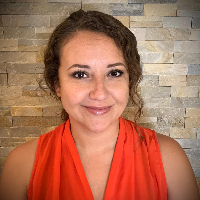
Elizabeth Giele
LCSW, LICSW
New Mexico - 35 yrs exp



















How codependency therapy works for New Mexico residents
If you seek help for codependency, therapy typically begins with an assessment of your relationship patterns, personal history, and current concerns. Your therapist will work with you to clarify goals, whether that means learning to set boundaries, rebuilding a sense of self separate from others, reducing anxiety around relationships, or changing caretaking habits that feel overwhelming. Many clinicians blend approaches - for example combining cognitive-behavioral techniques to shift unhelpful thoughts with family systems work to explore how patterns developed in your family of origin. Trauma-informed care is often part of the work when past events contribute to strong caretaking or people-pleasing tendencies.
Initial sessions and goal setting
During the first few sessions you will map the problems that bring you in and identify practical, measurable goals. You and your therapist may track situations where boundaries are difficult, practice new communication skills, and work on small experiments to test healthier ways of relating. Over time the focus typically shifts from crisis management to building sustained changes in how you respond to relationships and stressors.
Finding specialized help for codependency in New Mexico
When you look for a therapist who specializes in codependency, consider clinicians who list relationships, family dynamics, or attachment patterns among their areas of focus. In New Mexico, you have options in larger centers as well as remote services that reach smaller towns and rural areas. Albuquerque and Santa Fe often have therapists with experience in diverse cultural contexts, while Las Cruces and other communities may offer clinicians who understand regional resources and family structures. You can search profiles for training in family systems therapy, relational therapy, or trauma-informed modalities to find a good match.
Cultural and regional considerations
New Mexico has a rich cultural landscape with strong Hispanic and Indigenous communities, and it helps to find a therapist who appreciates cultural identity and local community norms. You may prefer a clinician who is bilingual in English and Spanish or one who has experience working with the particular cultural or spiritual values that matter to you. Community mental health centers, university clinics, and private practices in Albuquerque and Santa Fe can be good places to find therapists who understand how regional history and family roles shape relationship patterns.
What to expect from online therapy for codependency
Online therapy can be a practical option if you live far from an urban center or if your schedule makes in-person visits difficult. With video or phone sessions you can work on the same goals you would in a clinic - boundary-building, assertiveness training, and processing attachment experiences - while connecting from a more convenient location. You should expect your therapist to discuss how they handle emergencies, how personal nature of sessions of sessions is protected, and any technical requirements before you begin.
Benefits and practicalities
Teletherapy increases access to clinicians who may not practice in your immediate town. If you live outside Albuquerque, Santa Fe, or Las Cruces, online sessions can connect you with therapists who specialize in codependency without the travel. Make sure you have a quiet, comfortable environment for sessions and that you understand scheduling, fees, and how to reach your clinician between appointments if necessary. Many therapists offer a brief initial call to see whether the online format and the clinician are a good fit.
Common signs that you might benefit from codependency therapy
You might consider therapy if you notice recurring patterns where your sense of worth depends on taking care of others, or where you feel responsible for other people’s emotions to the point of sacrificing your own needs. Other common signs include difficulty saying no, staying in relationships that harm you because you fear abandonment, or feeling chronically anxious when your efforts to help do not produce gratitude. You may also notice a persistent tendency to prioritize another person’s needs over your own or to monitor and manage someone else’s behavior to feel safe.
Emotional and behavioral patterns to watch for
People who struggle with codependency often report low self-esteem tied to relational roles, difficulty asking for help, or tension between a desire for closeness and fear of being consumed by a partner’s problems. You may find it hard to identify your own feelings separate from those around you, or to maintain boundaries with family members. Recognizing these patterns is the first step toward changing them, and therapy offers structured ways to build new habits and a clearer sense of personal identity.
Tips for choosing the right therapist for this specialty in New Mexico
Begin by reading profiles to learn about a therapist’s training, specialties, and approaches. Look for clinicians who explicitly mention working with relationship patterns, attachment wounds, or caretaking dynamics. Consider whether you want someone who uses more directive skills-based work or a therapist who focuses on exploring family history and emotional patterns. In Albuquerque and Santa Fe you may find a wider range of modalities and clinicians with specialized training, while in smaller communities you might prioritize availability, evening hours, or a therapist who offers sliding-fee options.
Fit, logistics, and next steps
Arrange brief consultations with a couple of therapists to get a sense of rapport - asking about their experience with codependency, typical session structure, and how they measure progress can help you decide. Practical matters such as cost, insurance acceptance, and session length are important, as is scheduling. You should feel comfortable discussing personal topics in a safe setting and confident that the therapist listens and collaborates on treatment goals. If the first clinician you try does not feel like the right fit, it is reasonable to explore other options until you find someone who meets your needs.
Whether you prefer in-person appointments in Albuquerque, Santa Fe, or Las Cruces, or you want the flexibility of online sessions, help is available to guide you toward healthier relationship patterns. Use the listings on this page to compare clinicians, read about their approaches, and schedule introductory conversations so you can begin the work of reclaiming balance and a stronger sense of self.