Find a Compassion Fatigue Therapist in New Mexico
This page lists therapists in New Mexico who focus on compassion fatigue, offering approaches tailored to caregivers, healthcare workers, and helping professionals. Browse the listings below to compare specialties, credentials, and availability across the state.



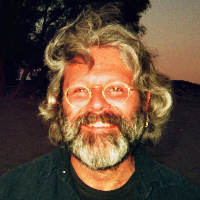

Elizabeth Giele
LCSW, LICSW
New Mexico - 35 yrs exp

















How compassion fatigue therapy works for New Mexico residents
When you seek help for compassion fatigue in New Mexico, therapy usually begins with an assessment of the emotional and practical toll caregiving or helper work has taken on you. A clinician will explore how ongoing exposure to others' suffering affects your mood, energy, sleep, concentration, relationships, and work performance. From there, a treatment plan is shaped around your needs and daily life. That plan often blends skills-based work to reduce stress with opportunities to process difficult feelings and to reconnect with sources of meaning and rest.
Therapy is often tailored to the specific context of your role. If you work in a hospital in Albuquerque, a community clinic in Las Cruces, a nonprofit in Santa Fe, or provide home care in a rural part of the state, a therapist will take those conditions into account. You can expect interventions that address burnout-like exhaustion, compassion fatigue-specific symptoms such as emotional numbing or intrusive thoughts related to other people’s trauma, and practical strategies for setting boundaries and restoring balance. The goal is to help you function better in your role while protecting your well-being.
Approaches and modalities you may encounter
Therapists who treat compassion fatigue use a range of evidence-informed approaches. Cognitive-behavioral techniques help you identify patterns of thinking that increase distress and replace them with more adaptive strategies. Mindfulness-based practices teach ways to stay present without becoming overwhelmed by others' suffering. Trauma-informed care helps if repeated exposure to traumatic stories has left you with symptoms similar to secondary trauma. Narrative and meaning-centered approaches can help you reconnect with why you entered caregiving work and find sustainable ways to carry it forward. Many clinicians mix these methods and tailor them to your culture, work setting, and personal history.
Finding specialized help for compassion fatigue in New Mexico
Start by searching for clinicians who list compassion fatigue, secondary traumatic stress, burnout, or caregiver support among their specialties. In larger cities like Albuquerque and Santa Fe you will often find clinicians with focused experience in healthcare settings, public safety, social services, and nonprofit work. In Las Cruces and Rio Rancho you may find practitioners who offer evening appointments or bilingual services to accommodate shift work and diverse communities. If you live in a rural area, look for therapists who explicitly mention experience with remote care and flexible scheduling to bridge geographic distance.
Credentials matter. Look for licensed counselors, clinical social workers, psychologists, or marriage and family therapists who have experience with workplace stress and trauma-related responses. Many clinicians list additional training in trauma-informed approaches, mindfulness, or clinician well-being. Reading therapist bios can give you a sense of whether they understand the pressures of your job and the cultural context of New Mexico. If you prefer support in Spanish or another language, check profiles for language fluency and cultural competence.
What to expect from online therapy for compassion fatigue
Online therapy can be a practical option in New Mexico, especially if you live far from city centers or need appointments outside standard business hours. When you sign up for remote sessions you can expect to use video or phone calls for most appointments, and occasionally text-based messaging for brief check-ins depending on the clinician’s practice. Sessions typically follow a regular schedule and last from 45 to 60 minutes, though some therapists offer shorter or longer formats for particular needs.
Before beginning remote care, your therapist will discuss practical matters such as how to handle emergencies, what to do when technology fails, and how to create a safe setting for sessions. You should also confirm that the clinician is licensed to provide care in New Mexico - state licensure ensures they meet local regulatory standards and are able to practice with residents here. If personal nature of sessions questions arise, ask how the clinician protects your information and what steps they take to maintain your privacy during virtual sessions.
Online therapy can be especially useful if your schedule is unpredictable, as many providers in Albuquerque, Santa Fe, Las Cruces, and Rio Rancho offer evening or early morning slots. You may also find clinicians who blend in-person and online visits, allowing you to meet on occasion in person while maintaining the convenience of telehealth between visits.
Common signs you might benefit from compassion fatigue therapy
You might consider therapy if you notice persistent emotional exhaustion that does not improve after time off, or if you find yourself feeling numb, detached, or cynical about the people you serve. Sleep problems, intrusive memories of clients' experiences, or a spike in irritability and interpersonal conflict at home can also be indicators. Difficulty concentrating at work, a decline in professional performance, or increased use of alcohol or other coping strategies to blunt feelings are additional signs that support could help.
Some people experience a shrinking sense of purpose - what once felt like rewarding work now feels draining or meaningless. Others find that empathy becomes painful - you may either overidentify with every person you help or shut down emotionally to protect yourself. If these patterns are affecting your well-being, relationships, or ability to do your job, seeking a therapist who understands compassion fatigue can provide tools and support to change the trajectory.
Tips for choosing the right therapist for compassion fatigue in New Mexico
First, look for clinicians who explicitly list compassion fatigue or secondary traumatic stress among their areas of focus, or who have experience working with professionals in fields that commonly face high exposure to suffering. Read profiles to learn about their approaches and any additional training they have in trauma-informed care, mindfulness, or clinician resilience. Consider language and cultural fit - you may prefer someone who understands the local culture in Albuquerque, the artistic and civic communities of Santa Fe, or the unique needs of border and rural populations.
Second, use introductory calls or brief consultations to get a feel for whether the therapist understands your work context and respects your boundaries. Ask about the kinds of strategies they typically use, how they measure progress, and whether they can offer practical tools you can apply between sessions. Inquire about scheduling flexibility and whether they provide short check-ins if a crisis arises after a difficult shift.
Third, consider logistics such as cost, insurance acceptance, sliding scale availability, and session length. If affordability is a concern, ask therapists about reduced-fee options or community resources in New Mexico that offer clinician support groups. Finally, trust your instincts. Good therapeutic fit often comes down to whether you feel heard and understood. If a first therapist does not feel right, it is reasonable to try another clinician until you find someone who fits your needs.
Local considerations and resources
New Mexico’s mix of urban centers and wide rural areas means access and scheduling are practical concerns for many people. If you live in Albuquerque or Rio Rancho you may have more options for in-person care, while residents in smaller towns may rely more on telehealth. Cultural competency is important; look for therapists who demonstrate respect for local customs and language preferences, especially when working with Indigenous communities and Spanish-speaking families. You may also find peer support programs, workplace wellness initiatives, or professional groups in healthcare systems that offer targeted resources for compassion fatigue.
Moving forward
Recognizing compassion fatigue is an important step toward protecting your well-being and sustaining your capacity to help others. Whether you choose in-person sessions in Albuquerque or Santa Fe, online care from a clinician licensed in New Mexico, or a mix of supports, the right therapist can help you rebuild resilience, set boundaries, and find a more sustainable path in your work. Use the listings above to compare clinicians, read bios, and reach out for an initial conversation - taking that first step can open the door to meaningful relief and renewed purpose.