Find an LGBT Therapist in New Mexico
Find listings of LGBT therapists who serve New Mexico, including clinicians available in Albuquerque, Santa Fe, Rio Rancho, and Las Cruces. Browse the profiles below to find therapists with the experience, approach, and appointment options that fit your needs.



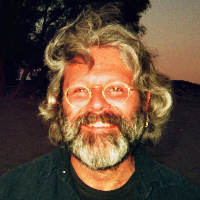


Elizabeth Giele
LCSW, LICSW
New Mexico - 35 yrs exp











How LGBT therapy works for New Mexico residents
If you are exploring therapy as an LGBT person in New Mexico, you will find that the process often begins with a straightforward intake conversation. That first contact helps you and the clinician decide whether their experience and therapeutic approach match what you want to work on. Many therapists describe themselves as LGBT-affirming and have training in areas such as coming out, gender identity, relationship dynamics, trauma, and minority stress. Sessions usually focus on your goals - for example improving relationships, managing anxiety, navigating transition-related care, or processing experiences of discrimination - and are tailored to your needs and cultural background.
Licensing and scope of practice in New Mexico are determined by the state, so clinicians will list credentials such as Licensed Professional Clinical Counselor, Licensed Clinical Social Worker, or Licensed Marriage and Family Therapist. You can expect a licensed clinician to explain their qualifications, what they offer, and practical details like fees, cancellation policies, and whether they accept insurance. If you live in a rural area or travel between cities like Albuquerque and Las Cruces, therapists often offer flexible scheduling or remote sessions to reduce travel burdens.
Finding specialized LGBT help in New Mexico
When you look for a specialist, consider the specific issues you want to address and search for clinicians who highlight relevant experience. Some therapists focus on gender-affirming care and work with people who are exploring transition or seeking support related to hormone therapy and social changes. Others concentrate on relationship work, couples therapy, family acceptance, or trauma informed care. You can also find therapists who speak Spanish or who have experience working with Indigenous communities, which can be important depending on where you live in New Mexico.
Thinking about location and community
Your proximity to urban centers may shape what is available in person. Cities like Albuquerque and Santa Fe tend to have more therapists with varied specializations, while places such as Las Cruces and Rio Rancho offer clinicians who may provide a close-knit, community-oriented approach. If you prefer an in-person relationship, you can prioritize clinicians with offices in your city. If local options are limited, remote appointments expand your choices and let you connect with providers statewide.
What to expect from online therapy for LGBT concerns
Online therapy can be a practical option in New Mexico, especially if you live far from major centers or if your schedule makes in-person sessions difficult. When you choose remote care, you should expect to use a secure video or phone connection provided by the therapist. The flow of sessions is similar to in-person work - you and your clinician set goals, check progress, and explore strategies that help you manage emotions, relationships, and everyday stressors. Therapists who specialize in LGBT care will typically incorporate an understanding of minority stress and identity-related concerns into remote sessions the same way they would in person.
There are a few things to keep in mind when you consider online therapy. You may want to confirm the clinician's licensure status for practicing in New Mexico, ask about how they handle emergencies or referrals, and make sure you have a quiet, comfortable environment for sessions. If language matters to you, search for therapists who offer services in your preferred language. For teens or young adults living in family homes, discuss privacy arrangements with the therapist so you both feel able to speak openly during sessions.
Common signs you might benefit from LGBT-focused therapy
You might consider seeking LGBT-focused therapy if you find that identity questions, coming out, or relationship issues are interfering with your daily functioning. Persistent feelings of isolation, anxiety about being visible in your community, or heightened stress related to discrimination and rejection often make therapy helpful. If you are unsure about your gender identity or are considering a social or medical transition, talking with a clinician who understands gender-diverse experiences can provide clarity and practical planning support.
Other signs include patterns of relationship difficulty, struggles with family acceptance, or feeling stuck after a major life change. You may also benefit from therapy if you experience ongoing sadness, sleep disruption, or trouble concentrating that does not seem to improve with time. Therapy is a space to explore these experiences without judgment and to develop skills for coping, communicating, and building supportive networks in places like Albuquerque or Santa Fe where community resources may be more visible.
Tips for choosing the right LGBT therapist in New Mexico
Start with what matters most to you. If cultural background, language, or knowledge of specific communities is important, look for clinicians who highlight that experience. You can check credentials and ask whether a therapist has training in gender-affirming care, LGBTQ history, or trauma-informed methods. Consider reaching out for a brief phone or video consultation - many therapists offer an initial conversation to help you determine fit before scheduling ongoing sessions.
Practical matters matter too. Ask about availability and appointment hours if you work irregular shifts or if you live outside major cities. Find out whether the clinician accepts your insurance or offers a sliding scale fee. If you prefer in-person work, focus on providers in Albuquerque, Santa Fe, Las Cruces, or Rio Rancho. If you plan to use online therapy frequently, make sure the clinician is licensed to practice in New Mexico and clarify how they handle referrals if you need local medical or psychiatric services.
Trust your instincts about rapport. A therapist can list impressive qualifications, but the relationship you build in session is central to progress. Pay attention to whether you feel heard and respected in the first few meetings. If something does not feel right, it is acceptable to try a different clinician until you find the right match. Many people find that working with a therapist who understands the local culture and the specific challenges faced by LGBT individuals in New Mexico helps them move forward more quickly and with greater confidence.
Building supports beyond therapy
Therapy is often most effective when it sits alongside other supports. You may want to connect with community groups, local LGBT centers, or peer support networks in cities like Albuquerque and Santa Fe for social connection and advocacy resources. If you are navigating medical aspects of transition, coordinate with local health providers who have experience with gender-affirming care. Family education or couples work can help repair relationships and build acceptance, and some therapists will include family sessions as part of their practice.
Finding the right therapist can take time, but the effort is worth it if you gain tools and perspectives that improve your day-to-day life. Whether you are seeking short-term support for a specific issue or ongoing therapy for deeper exploration, New Mexico offers a range of clinicians who can meet different needs. Use listings, introductory calls, and community referrals to guide your choice and find the clinician who feels like the best fit for you.