Find a Sex Addiction Therapist in New Mexico
This page highlights therapists in New Mexico who specialize in sex addiction treatment, with profiles that describe training, methods and availability. Browse the listings below to compare providers in Albuquerque, Santa Fe, Las Cruces, Rio Rancho and other communities.


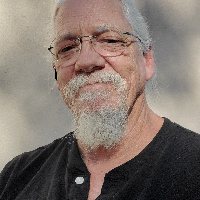






Travis Scott
LCSW, LISW
New Mexico - 10 yrs exp


How sex addiction therapy typically works for New Mexico residents
When you begin sex addiction therapy in New Mexico, the process usually starts with an intake conversation to identify immediate concerns, safety needs and goals for change. That first session is focused on understanding how sexual behavior has affected your life - relationships, work, finances and emotional health - and on creating a plan that fits your circumstances. Many therapists use a combination of individual sessions, couples work when relevant, and structured interventions aimed at changing compulsive patterns. Treatment is often paced to match your readiness and may include practical strategies to reduce risk, build new coping skills and repair relationships.
Because New Mexico includes both urban centers and rural communities, the way you access care may vary. In Albuquerque, Santa Fe and other cities you are more likely to find clinicians with specialized training and options for in-person work. In more remote areas, therapists who offer online sessions extend access while allowing you to keep continuity of care.
Finding specialized help for sex addiction in New Mexico
Looking for a therapist who focuses on sex addiction means prioritizing relevant experience and an approach that resonates with you. You can begin by reviewing therapist profiles for years of experience, ongoing training, and specific mention of treating compulsive sexual behavior or hypersexuality. Some clinicians list advanced credentials or specialized certifications in sexual health and addiction work. In New Mexico, reach out to practitioners in Albuquerque and Santa Fe if you prefer a larger pool of specialists, or check for clinicians who provide telehealth to serve clients in Las Cruces, Rio Rancho and smaller towns.
When you contact a potential therapist, it is reasonable to ask about their experience with issues that overlap sex addiction - trauma, substance use, mood disorders and relationship conflict. Therapists who work with couples can help you and a partner navigate the impact of compulsive sexual behavior on trust and intimacy. If cultural identity, faith background or gender and sexual orientation are important to you, look for someone who mentions relevant experience so therapy feels respectful and responsive to your life.
What to expect from online therapy for sex addiction
Online therapy offers a practical option in a geographically large state. If you choose teletherapy, expect to discuss the technology and the therapist's policies for virtual work during your first appointments. You should confirm that the clinician is licensed to practice in New Mexico and that they can provide care where you live. Sessions by video or phone will follow many of the same clinical steps as in-person therapy - assessment, collaborative goal setting, skills-building and progress reviews - while relying on verbal check-ins rather than in-office observation.
Online work can make it easier to maintain consistent appointments, particularly if you live outside Albuquerque or Santa Fe. It can also make it simpler to access clinicians with very specific expertise, such as those trained in evidence-informed treatments for compulsive sexual behavior. Be prepared to create a comfortable environment for sessions and to discuss safety planning up front. If you are worried about urgent emotional crises, your therapist should explain how they handle emergencies and how to contact local resources within New Mexico.
Practical points about teletherapy in New Mexico
Make sure your clinician describes their communication practices between sessions, fee structure, and whether they offer sliding-scale payments or accept insurance. If you need documentation for an employer or a court, ask how notes and records are handled. In many New Mexico communities you may have the option of mixing online and occasional in-person appointments, which can be useful when a clinician is based in Albuquerque or Santa Fe but you live elsewhere.
Common signs someone in New Mexico might benefit from sex addiction therapy
You may benefit from specialized therapy if sexual behavior feels out of control, leads to repeated promises you do not keep, or causes distress despite attempts to cut back. It might show up as secretive actions that strain relationships, lost time at work or school, legal or financial consequences, or using sexual behavior to numb difficult emotions. If partners or family members raise concerns, or if you find that sex is your primary way to cope with stress or loneliness, therapy can help you explore alternatives and set practical boundaries.
Because experiences vary, the presence of these signs does not necessarily mean you have a diagnosable condition. What matters is whether your behavior interferes with your priorities and wellbeing. In New Mexico, you can pursue treatment in a way that fits your lifestyle - for example, working with a therapist in Las Cruces who offers evening appointments or scheduling telehealth sessions if travel to Albuquerque or Rio Rancho is difficult.
Tips for choosing the right therapist for this specialty in New Mexico
Choosing a therapist is a personal decision. Start by looking for clear information about training and treatment approaches. Therapists who describe a structured approach to compulsive sexual behavior and who are willing to explain techniques tend to be easier to evaluate. Ask about how they define progress, how long typical treatment lasts, and how they involve partners or family when appropriate. If you have insurance, verify what is covered and whether the clinician is in-network or provides receipts you can submit for reimbursement.
Consider scheduling a brief consultation - many clinicians offer a short phone call so you can get a sense of fit before committing to a full session. Use that call to ask about experience working with people who share your identity or life circumstances. In Albuquerque and Santa Fe you may have more options to find a close match, while in smaller New Mexico communities you might prioritize a therapist who offers flexible scheduling and telehealth.
Trust your instincts about the therapeutic relationship. You should feel heard and respected, and your therapist should be willing to adjust the approach if something is not helping. If cultural competence is important to you, look for clinicians who mention training in working with diverse New Mexico populations, including Indigenous and Hispanic communities. Clear communication about fees, cancellations and session length will make it easier to focus on the work itself.
Next steps and local considerations
If you decide to reach out, prepare a short summary of your concerns and the outcomes you hope to achieve. Whether you contact a therapist in Albuquerque, a counselor in Rio Rancho, or a clinician offering telehealth to Las Cruces and rural areas, a focused initial message can speed up the intake process. Remember that finding the right therapist can take time - it is okay to try more than one clinician until you find a good match.
Alongside individual therapy, you may find community resources helpful. Some parts of the state offer group programs or support networks that complement individual work. If cost is a concern, ask about sliding-scale options or university training clinics that provide reduced-fee services. Above all, seeking help is a constructive step toward greater control and healthier relationships. Use the profiles on this page to compare credentials and approaches, then reach out to schedule a consultation and begin the process of change.