Find a Therapist of Color Therapist in New Mexico
This page highlights therapists of color practicing in New Mexico who bring cultural awareness to their work across the state. Browse the listings below to find a clinician matching your needs in Albuquerque, Santa Fe, Las Cruces, Rio Rancho and nearby communities.











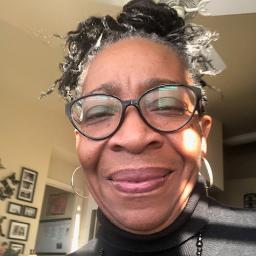





How therapist of color therapy can fit your life in New Mexico
If you are seeking a therapist who shares or deeply understands your cultural background, therapist of color therapy can offer approaches shaped by that understanding. In New Mexico, where Indigenous, Hispanic, Latino, and diverse immigrant communities intersect with urban and rural ways of life, a culturally aware clinician can help you explore identity, family history, and social context as part of healing and growth. That does not mean the therapist must match your background exactly. Many clinicians who identify as therapists of color bring training, lived experience, and community knowledge that inform their clinical approach in ways that may feel more relevant to you.
Therapist of color work often integrates attention to culture, language, and discrimination-related stressors alongside more familiar therapy tools such as cognitive techniques, trauma-informed care, and relational exploration. In New Mexico, these conversations may include the impacts of colonization, multigenerational family expectations, and navigating bilingual or multilingual households. A culturally informed therapist can help you place current concerns into a broader context so you can develop coping strategies that fit your values and daily life.
Finding specialized help for therapists of color in New Mexico
Searching for the right clinician starts with clarifying what matters most to you. Some people prioritize shared identity or language, while others look for clinicians with experience in particular issues such as racial trauma, immigration-related stress, grief, or LGBTQ+ concerns. In cities like Albuquerque and Santa Fe you may find more in-person options and a wider range of specialties, whereas Las Cruces and other smaller communities can offer clinicians who understand rural dynamics and close-knit family structures. Rio Rancho, as part of the greater Albuquerque area, often shares resources and clinicians with similar cultural competence.
If you live outside a major city, online appointments can widen your options, allowing you to work with therapists across the state who specialize in the intersections of culture and mental health. When reviewing profiles, look for clinicians who describe their approach to cultural identity, language options, and community engagement. Many therapists include short bios that explain how culture informs their clinical perspective - reading these closely can help you decide whether to reach out for a consultation.
Working across rural and urban settings
New Mexico’s geography shapes how therapy happens. In urban centers you might have access to clinicians offering evening appointments or specialized group work. In rural areas, long travel times and limited local options make flexible scheduling and remote sessions especially useful. A therapist who understands the realities of your town or neighborhood - whether that involves limited public transportation or specific community supports - will be better positioned to offer realistic, practical strategies that fit your life.
What to expect from online therapy with a therapist of color
Online therapy offers practical benefits: greater scheduling flexibility, reduced travel, and access to clinicians outside your immediate area. If you choose online sessions with a therapist of color, you can expect conversations structured much like in-person work, with attention to goals, coping tools, and emotional processing. Many therapists use video sessions for direct connection, phone calls for check-ins, and text-based messaging for brief updates between appointments. You and your therapist will typically discuss technology needs, session length, and how to manage interruptions so your time together feels focused and respectful.
When you work online, it helps to create a consistent space for sessions so you can engage without distractions. That might mean sitting in a comfortable environment at home, stepping into a parked car for privacy, or arranging a quiet corner at a friend or family member’s home. A therapist of color who understands your cultural background can also help navigate language preferences across platforms and recommend resources that reflect your cultural values. If licensure affects where a therapist can practice, they will explain that clearly and help you find options that are lawful and practical for New Mexico residents.
Common signs you might benefit from therapist of color therapy
You might consider seeking a therapist of color if you find yourself routinely processing experiences tied to race, ethnicity, immigration, language, or cultural expectation in ways that feel overwhelming. This can show up as persistent stress after incidents of discrimination, difficulty reconciling family traditions with your personal values, or feeling misunderstood by providers who do not share cultural knowledge. Identity-related anxiety can also reveal itself as avoidance of certain social settings, trouble communicating across generations, or recurring conflict about roles and responsibilities within your family.
Other signs include ongoing sadness or worry that is connected to cultural loss or grief, heightened vigilance in social situations, or a desire to explore how history and community shape your personal story. If you are parenting in a bicultural household, navigating coming out in a culturally conservative community, or facing immigration-related legal stress, a therapist who sees the cultural dimension of these concerns can provide practical tools and emotional support tailored to your life in New Mexico.
How to choose the right therapist of color in New Mexico
Choosing a therapist is a personal process that often begins with a short conversation. When you contact a clinician, consider mentioning what matters most to you - language preferences, cultural background, experience with specific issues, or scheduling needs. Ask about their training and how they integrate cultural awareness into their work. Therapists who focus on culture will often describe specific approaches they use and give examples of how they help clients with similar backgrounds or concerns.
It is reasonable to ask about practical matters as well - how they structure sessions, what kinds of techniques they use, and how they handle personal nature of sessions and boundaries. You should also pay attention to how you feel during an initial call or consultation. Feeling heard, respected, and understood is a key marker of a good match. If the first clinician is not the right fit, you can continue searching without judgement; finding someone whose style and perspective align with your needs often makes therapy more effective and more likely to fit into your life.
Questions to guide your decision
When you speak with a potential therapist, ask how they work with cultural identity, what languages they offer, and whether they have experience with issues that matter to you. You might inquire about their approach to trauma, family systems, or working with youth or elders depending on your needs. It can help to ask how they stay connected to the communities they serve, and how they make therapy relevant to the rhythms and values of life in New Mexico, from city neighborhoods in Albuquerque to the cultural networks of Santa Fe and the border-adjacent realities of Las Cruces.
Trust your impressions. A therapist’s credentials and specialties matter, but so does the human connection. You should feel comfortable asking questions, expressing preferences, and discussing any concerns about logistics or communication. The right therapist for you will be someone who combines cultural understanding with therapeutic skill to support your goals.
Moving forward with therapy in New Mexico
Beginning therapy is a step toward clearer coping and deeper self-understanding. Whether you pursue in-person sessions in a nearby city or schedule remote appointments across the state, focus on finding a clinician who listens to your story and reflects an understanding of its cultural dimensions. Over time, culturally responsive therapy can help you develop strategies that honor your identity, strengthen relationships, and support day-to-day wellbeing within the unique social and historical landscape of New Mexico.
If you are ready to take the next step, use the listings above to explore clinician profiles, check availability in Albuquerque, Santa Fe, Las Cruces, Rio Rancho and other communities, and reach out for an introductory conversation. Finding the right therapeutic relationship can make it easier to address current challenges and plan for the future with greater clarity and resilience.