Find a Veterans Therapist in New Mexico
This page lists therapists in New Mexico who specialize in serving veterans and military-connected adults. Browse the listings below to compare specialties, languages, locations, and availability across the state.


Elizabeth Giele
LCSW, LICSW
New Mexico - 35 yrs exp
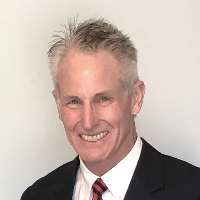




Danielle Guerrero
LCSW
New Mexico - 7 yrs exp














How Veterans Therapy Works for New Mexico Residents
If you are a veteran living in New Mexico, finding therapy that understands military culture and the transition to civilian life can make a meaningful difference. Veterans-focused therapists combine clinical skills with an awareness of service-related experiences, which may include deployment stress, career transition challenges, or relationship adjustments. You may meet with a clinician in an office setting in Albuquerque or Rio Rancho, attend sessions in a community clinic in Santa Fe or Las Cruces, or connect with a therapist remotely if you live in a rural part of the state.
Therapy for veterans often begins with an initial assessment that explores your history, current concerns, and personal goals. From there, you and your therapist create a plan that fits your needs and lifestyle. Some people prefer short-term, skills-focused work to manage specific symptoms. Others choose longer-term therapy that addresses deeper patterns and relationships. Your therapist should explain the approach, expected course of care, and how progress will be measured so you know what to expect.
Finding Specialized Help in New Mexico
When searching for a therapist who understands veterans' issues, consider both clinical credentials and experience with military culture. Licensed professionals across New Mexico bring a range of specializations, including trauma-informed care, substance use support, couples counseling, and reintegration coaching. If Spanish language services are important to you, many providers in communities like Albuquerque and Santa Fe offer bilingual therapy, which can help with cultural nuance and comfort.
Geography matters in New Mexico because rural distances can make in-person care difficult. If you live outside major centers, look for clinicians who offer telehealth appointments or periodic in-person sessions combined with online check-ins. Clinics in Las Cruces and other southern communities may have partnerships with local veteran organizations, while therapists in central and northern New Mexico may coordinate with county resources. Calling a few providers to ask about their experience with veterans and their availability can help you identify the best matches.
What to Expect from Online Therapy for Veterans
Online therapy has become a practical option for veterans across New Mexico, especially for those who are balancing work, family, or living in areas with few local specialists. When you choose online appointments, you should expect structured sessions similar to in-person care, with attention to goals, homework or skills practice when relevant, and regular check-ins on progress. Technology allows for flexible scheduling and can reduce travel time to appointments in Albuquerque or other cities.
Before your first online session, you will receive instructions on how to connect, whether by video or phone. Therapists typically discuss how they protect your information and what to do in a crisis. It is reasonable to ask about the therapist's experience providing online care to veterans, including how they adapt techniques for remote sessions. While online work can be highly effective for many concerns, some people may prefer occasional in-person meetings, and your clinician should help you choose the format that best supports your goals.
Common Signs You or Someone You Care About Might Benefit from Veterans Therapy
Many veterans seek therapy when everyday functioning becomes harder than it used to be. You might notice persistent changes in sleep, such as trouble falling asleep or recurring nightmares. Mood shifts like increased irritability, feeling numb, or losing interest in activities that used to matter are common reasons people reach out. Relationship strain is another frequent concern - partners, family members, or friends may have noticed withdrawal, communication breakdowns, or difficulty managing anger.
Other signs include ongoing anxiety in social situations, avoidance of reminders from service, difficulty concentrating at work or school, and increased use of alcohol or other substances to cope. Transition stress also prompts people to seek support when leaving the military or changing careers. If you find these patterns affecting your quality of life, you may benefit from a conversation with a veterans-focused therapist who can help you identify goals and options for care.
Tips for Choosing the Right Veterans Therapist in New Mexico
Choosing a therapist is a personal decision that should balance professional qualifications with rapport and logistical fit. Start by looking for clinicians who explicitly list veterans or military culture as a focus area. Licensing information gives you a baseline for training, while additional certifications or supervised experience in trauma-focused approaches can indicate deeper specialization. If you live near Albuquerque or Rio Rancho, you may have more in-person options to meet different therapists before deciding. In smaller communities like Las Cruces or parts of northern New Mexico, you might prioritize availability and willingness to offer telehealth.
Consider what kinds of approaches appeal to you - some therapists emphasize evidence-informed methods such as cognitive behavioral strategies, exposure-based work, or skills training for managing anxiety and intrusive memories. Others integrate family systems, mindfulness, or culturally sensitive practices that respect your heritage and values. You can ask prospective therapists about their typical session structure, how they track progress, and what a typical course of therapy looks like for veterans with concerns similar to yours.
Practical questions are important too. Ask about appointment times, fees, insurance or VA benefits, sliding scale options, and cancellation policies. If transportation is a barrier, confirm whether telehealth is an option and what platforms the therapist uses. For Spanish speakers or bilingual households, inquire about language availability. If coordination with other providers - such as a primary care clinician or a VA case manager - is needed, ask whether your therapist is comfortable collaborating with those professionals while respecting your preferences.
Getting a Good Fit
Therapeutic chemistry matters. Many therapists offer a brief phone consultation so you can describe your needs and ask questions before committing to a full session. Use this opportunity to gauge whether the therapist listens, understands your military background, and outlines a practical plan. Trust and respect often develop over several sessions, but you should feel that the clinician takes your concerns seriously and works with you toward concrete goals. If you do not feel comfortable after a few meetings, it is reasonable to look for another therapist who aligns better with your approach and personality.
Local Considerations and Next Steps
New Mexico has a mix of urban and rural settings, each with different resources and challenges. In Albuquerque and Santa Fe you will typically find a wider array of specialized services and group therapy options. Las Cruces and Rio Rancho also offer clinicians with strong experience serving veterans, and regional community organizations can provide referrals. If you are connected with VA services, your therapist can often coordinate with those teams in ways that support continuity of care. If you are not using VA benefits, community-based clinicians still offer veteran-focused expertise and can help you navigate benefits and referrals.
Starting therapy is a step toward clearer coping strategies, improved relationships, and better day-to-day functioning. When you are ready, use the listings above to compare profiles, reach out for initial consultations, and choose a clinician who understands the military experience and your specific goals. Whether you prefer in-person meetings in a nearby city or online sessions that fit your schedule, there are options in New Mexico to support your next steps.