Find a Women's Issues Therapist in New Mexico
Explore therapists in New Mexico who specialize in women's issues, including reproductive health, relationship concerns, and life transitions. This page lists local and online counselors serving Albuquerque, Santa Fe, Las Cruces and other communities. Browse the listings below to compare profiles, specialties, and appointment options.





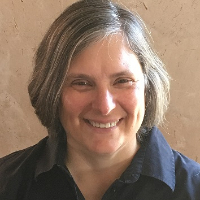
Elizabeth Giele
LCSW, LICSW
New Mexico - 35 yrs exp











How women's issues therapy works for New Mexico residents
When you seek therapy for concerns commonly grouped as women's issues, you can expect an approach that looks at the whole of your experience - physical, emotional, social, and cultural. Therapists trained in this specialty often blend talk therapy with practical coping strategies, helping you build skills to manage symptoms, navigate life changes, and make decisions that feel aligned with your values. In New Mexico, therapists routinely tailor care to the state's unique cultural landscape, taking into account family expectations, multigenerational households, and the varied needs of urban and rural communities.
Initial sessions usually focus on listening to your story and understanding what matters most to you. You and the therapist will set goals together and identify which techniques or modalities fit your situation. Over time, therapy may include exploration of identity and roles, problem-solving around relationships or parenting, processing experiences related to reproductive events, and addressing stress that affects daily functioning.
Finding specialized help for women's issues in New Mexico
Finding a therapist who specializes in women's issues means looking for clinicians who advertise experience with topics such as reproductive health, pregnancy and postpartum transitions, fertility-related stress, perimenopause and menopause, intimate partner concerns, and gender-based trauma. In cities like Albuquerque and Santa Fe, you will find a wider selection of therapists with niche training, while in smaller communities or parts of the state you may find clinicians who offer a broader practice but still carry relevant expertise. If you live outside metropolitan areas, online appointments can bridge the distance to a clinician whose background closely matches your needs.
Many New Mexico therapists bring additional cultural competence that can be especially important. You might prefer a therapist who understands Hispanic familism, tribal community dynamics, or speaks Spanish, especially if cultural understanding is central to your care. Look at therapist profiles for mention of training, populations served, and approaches that resonate with your priorities. Scheduling a brief consultation call can also give a sense of whether a clinician's style and experience feel like a good match.
Local considerations and community resources
Where you live in New Mexico can shape access to services and support. In Albuquerque and Rio Rancho the range of in-person options tends to be greater, including group work and specialized clinics that focus on maternal mental health or intimate partner matters. Santa Fe offers a mix of therapeutic styles and community wellness resources, and Las Cruces provides options that may be closely tied to university or community health programs. If transportation or childcare is a barrier, many therapists provide flexible hours or online appointments to make care more feasible.
What to expect from online therapy for women's issues
Online therapy offers a practical way to connect with a clinician who has the exact specialization you want, regardless of distance. When you choose online appointments, sessions typically occur over video or phone and mirror the structure of in-person therapy - an initial assessment followed by regular meetings focused on your goals. Online work can be especially helpful for women managing unpredictable schedules, living in rural areas, or balancing family and work responsibilities.
You should expect a clear plan for how sessions will proceed, options for scheduling and cancellations, and discussion of how to handle emergencies outside session times. Many therapists use structured therapeutic methods that adapt well to video sessions, such as cognitive-behavioral techniques, mindfulness-based practices, and relational approaches that emphasize communication and boundary setting. If you prefer in-person work, you can look for practitioners in Albuquerque, Santa Fe, or Las Cruces who offer office appointments; if not, online access expands your choices across the state.
Common signs you might benefit from women's issues therapy
You might consider reaching out for a consultation if you notice patterns that interfere with your daily life or relationships. These can include persistent worry about reproductive decisions or fertility, distress related to pregnancy or the postpartum period, marked changes in mood around hormonal transitions, or ongoing difficulty with intimate relationships. You may experience trouble concentrating, disrupted sleep, or a sense of being overwhelmed by caregiving responsibilities or role changes.
If events from the past - such as relationship violence, loss, or trauma - are shaping how you relate to others or to yourself, a therapist with experience in trauma-informed care can help you develop safety and coping strategies. You may also seek therapy proactively during major life transitions - for example when becoming a parent, navigating separation or divorce, or during career changes - to find clarity and build resilience. Recognizing that you are struggling and seeking help is a practical step toward better functioning and quality of life.
Tips for choosing the right therapist in New Mexico
Start by clarifying what matters most to you in therapy - do you need expertise in perinatal mental health, support navigating menopause, help with relationship patterns, or assistance coping with trauma? Use that priority to guide searches and to phrase questions when you reach out. Read therapist profiles with attention to stated specialties, training, and the populations they serve. If language or cultural identity is important, look for mention of bilingual skills or experience with cultural communities common in New Mexico.
When you contact a therapist, a brief introductory call can reveal a lot. Ask about their experience with women's issues relevant to you, typical approaches used in treatment, and how they structure sessions. Inquire about logistics such as fee range, sliding scale options, and availability that fits your schedule. If meeting in person is important, check whether the therapist's office is convenient to you - for example in Albuquerque or Las Cruces - and whether they offer evening or weekend appointments. If you choose online therapy, confirm technological requirements and how the therapist handles documentation and follow-up.
Trust your instincts during the first few sessions. It often takes a few meetings to gauge whether a therapist's style feels like a good fit, and it is reasonable to switch providers if the connection does not support your goals. Therapists expect clients to prioritize fit - a respectful and collaborative relationship is central to helpful therapy.
Making the most of therapy in New Mexico
Set realistic goals and communicate them to your therapist. If you are balancing multiple roles or limited time, discuss homework or practice that integrates into daily life rather than adding burden. Explore community supports in your area - peer groups, parenting networks, or women's circles can complement one-on-one therapy and help you feel less isolated. In New Mexico, local resources sometimes include culturally based programs and community health initiatives that can reinforce therapeutic work.
Remember that progress in therapy is rarely linear. There will be periods of insight and periods of consolidation. Work with your therapist to track changes that matter to you - better sleep, improved communication, or an increased sense of agency - rather than focusing solely on symptom reduction. With a good therapeutic match, you can build practical skills that endure beyond therapy and contribute to a fuller sense of wellbeing.
Finding support where you are
Whether you live in Albuquerque, Santa Fe, Las Cruces, or a more rural corner of New Mexico, help is available in formats that can fit your life. Use the listings on this page to compare therapist profiles, approaches, and availability. Taking a first step to reach out for a consultation is a concrete action you can take toward feeling better and managing the issues that matter to you.