Find an Addictions Therapist in New York
This page lists addictions therapists who serve New York residents, including those in major cities and clinicians who offer remote appointments. Browse the profiles below to compare training, specialties, and availability and find a clinician who fits your needs.









Iesha Whitaker
LCSW
New York - 8 yrs exp

Catherine Daley
LCSW
New York - 5 yrs exp



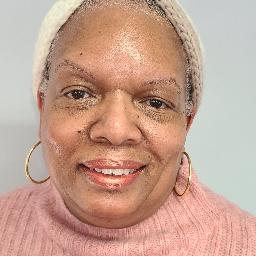
Henrietta Long-Hall
LCSW
New York - 12 yrs exp

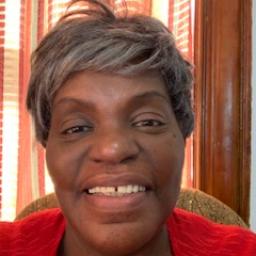
How addictions therapy works for New York residents
If you are exploring addictions therapy in New York, you are looking at a range of clinical approaches that focus on changing patterns of use, improving coping skills, and reconnecting with meaningful parts of life. Therapy often begins with an assessment that looks at your use, how it affects daily functioning, and any co-occurring mental health concerns. From there, a therapist will work with you to set goals - those goals may include reducing or stopping substance use, managing triggers, addressing underlying stressors, or improving relationships harmed by substance use.
Treatment is rarely one-size-fits-all. Many therapists combine behavioral approaches with motivational work so you can build motivation for change while learning practical strategies to manage cravings and high-risk situations. For some people, ongoing psychotherapy is a central part of long-term wellness. For others, short-term focused work during a transition period brings the skills needed to sustain recovery. Where medications are helpful, therapists often coordinate with prescribers and other health professionals so your care is integrated across providers.
Finding specialized help for addictions in New York
When you search for an addictions therapist in New York, consider clinicians who list specific experience with the substances or behaviors that concern you. Some therapists specialize in alcohol use, opioid use, stimulant use, prescription medication concerns, or behavioral addictions. Others have focused work with related issues such as trauma, mood disorders, or family systems that often intersect with substance use. You can look for therapists who note training in evidence-based approaches or who offer dual-diagnosis expertise when mental health and substance use occur together.
Your location within New York can influence available options. In New York City you may find a dense network of specialists, clinics, and interdisciplinary teams. In cities like Buffalo, Rochester, Albany, and Syracuse, experienced clinicians are available and community treatment networks may provide additional referrals. If local options are limited in your area, online therapy broadens access to clinicians licensed to practice in New York, which can make it easier to find someone with a particular specialty or approach.
What to expect from online therapy for addictions
Online therapy has become a common way to connect with addictions therapists in New York. You can expect appointments by video or sometimes by phone, and many clinicians will offer an initial consultation so you can see whether the therapeutic style and practical arrangements meet your needs. Online sessions make it easier to fit care into a busy schedule and to access clinicians who practice outside your immediate city or county.
Before starting telehealth sessions, ask about how your therapist manages record-keeping, appointment scheduling, and how they handle crisis situations if they arise between sessions. It is also important to confirm that the clinician is licensed to provide services to residents of New York, since licensing determines whether a therapist is authorized to treat people in that state. For some kinds of care - for example when medication-assisted treatment is being considered - you may need to coordinate with a local prescriber or clinic for prescriptions and monitoring while continuing psychotherapy online.
Common signs someone in New York might benefit from addictions therapy
You might consider looking for a therapist if substance use has begun to interfere with responsibilities at work or school, if you find it hard to cut down despite wanting to, or if use is creating tensions with family and friends. Other clues include experiencing strong cravings, having trouble managing time or money because of use, or continuing to use despite physical or legal problems that result from it. Changes in mood, sleep, or appetite, withdrawal symptoms, or sudden shifts in social circles can also signal that support would be helpful.
It is also common for people to seek help during transitions - a relationship change, a job loss, or a move to a new city can make use patterns more challenging. If you live in a large metro area like New York City, you might notice different social pressures than in smaller cities like Buffalo or Rochester, and a therapist can help you navigate the local context and community resources. Seeking help early can prevent more serious consequences later and give you tools to regain control over the parts of life that matter to you.
Tips for choosing the right therapist for addictions in New York
Begin by clarifying what matters most in treatment - whether that is a particular therapeutic approach, experience with a type of substance or behavior, cultural competence, availability for evening sessions, or whether a therapist accepts your insurance. When you review profiles, pay attention to stated specialties, training in addiction-focused therapies, and experience working with co-occurring mental health concerns because these often influence outcomes.
It is reasonable to request a brief phone or video consultation. Use that meeting to ask about the therapist's experience with your specific concerns, how they define success in treatment, and what a typical course of therapy looks like. If medication is part of your plan, ask how they coordinate care with prescribers and what to expect in terms of communication between professionals. You should also ask about scheduling, session length, fees, and whether they offer sliding scale options if cost is a concern.
Consider the therapist's orientation toward goals such as harm reduction versus abstinence and whether their approach aligns with what you want. Cultural fit and rapport are important - you are more likely to make progress with a clinician who listens to your priorities and reflects a genuine understanding of your background and values. If you live outside a major urban center, telehealth can expand your options and connect you with clinicians who have specific expertise even if they are based in New York City or other regions.
Practical steps to begin care in New York
Start by searching therapist listings for addictions specialty and any additional keywords that matter - for example trauma-informed care, family therapy, or experience with medication-assisted treatment. Check credentials and licensing to confirm the clinician practices in New York. Reach out to several therapists to compare availability, fees, and approach. An initial session or two will give you a sense of fit and whether to continue.
Remember that seeking help is a process, and it is okay to prioritize finding a therapist who feels like a good match. If you hit a barrier with one clinician, try another profile - different clinicians bring different strengths and styles. Whether you live in a borough of New York City or a smaller city such as Buffalo or Rochester, there are therapists in New York who focus on addictions and who can work with you to build a sustainable plan for recovery and well-being.
Next steps
When you are ready, browse the listings above to filter by location, modality, and specialties. Contact a few clinicians to learn about their approach and to schedule an intake. Taking that first step can open a path to practical supports, clearer goals, and a plan that fits your life in New York.