Find an Anger Therapist in New York
This page connects you with therapists who focus on anger concerns across New York, from New York City to upstate communities. Browse the profiles below to compare specialties, approaches, and availability and find a good match for your needs.




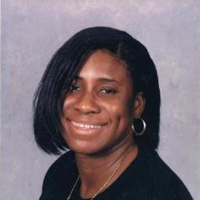
Dr. Colleen Downes
LCSW
New York - 35 yrs exp
















How anger therapy works for New York residents
If you are exploring anger therapy in New York, you can expect a process that begins with assessment and moves toward practical skills and long-term change. Your therapist will typically ask about the situations that lead to anger, any patterns you notice in how you react, and how those reactions affect your relationships, work, and daily life. From there you and the clinician will set clear goals so you know what to expect from sessions and how progress will be measured.
Therapists use evidence-based techniques to help you understand triggers and develop new ways of responding. Many approaches teach you to recognize early physical and emotional signs of anger, practice calming techniques, and reframe thoughts that escalate conflict. Therapy often includes role-play or in-session practice so you can try new skills with guidance before using them in real situations. The pace and emphasis will vary depending on your priorities, whether you want short-term support for a specific issue or longer-term work on patterns that have developed over time.
Finding specialized help for anger in New York
When you search for an anger therapist in New York, you can look for clinicians with experience in anger management, trauma-informed care, couples work, or behavioral strategies that fit your situation. Licensing credentials differ by profession, so you may encounter licensed clinical social workers, licensed mental health counselors, psychologists, and others who work with anger-related concerns. You can also seek therapists who have additional training in cognitive behavioral therapy, dialectical behavior therapy, or other modalities that include emotion regulation and interpersonal skills.
New York City offers a broad range of specialized providers, including clinicians who work with diverse cultural communities and multiple languages. In smaller cities such as Buffalo and Rochester you may find clinicians with strong community ties and experience addressing local stressors like economic pressure or family network dynamics. If you live in Albany, Syracuse, or other parts of the state, consider both local options and therapists who provide remote sessions to expand your choices.
What to expect from online therapy for anger
Online therapy has become a common option across New York, giving you access to clinicians beyond your immediate area. When you choose virtual sessions, you can expect structured meetings over video or phone where you and your therapist focus on the same assessment and skills-building work as in-person care. Therapists can guide you through breathing or grounding exercises, coach you in communication techniques during role-play, and help you plan how to handle high-risk moments in daily life.
Online work is especially helpful if you live in a rural area or have limited in-person options. It can also offer more flexible scheduling if you need evening appointments after work. Make sure you have a quiet, comfortable environment for sessions and check with your provider about the technology they use and any materials you should prepare. If you live near New York City, some clinicians blend in-person and online care so you have continuity while traveling or during busy weeks.
Common signs that someone in New York might benefit from anger therapy
You might benefit from anger-focused therapy if you notice frequent irritability, recurring arguments with family or coworkers, or if anger has led to consequences such as lost opportunities or strained relationships. People sometimes reach out after a single alarming incident, or after years of tension that feels increasingly hard to manage. Other signals include feeling on edge most days, having trouble calming down after being provoked, or avoiding situations because you are unsure how you will react.
In city settings like New York City, stressors such as commuting, crowded spaces, and fast-paced work environments can intensify frustration. Upstate residents in Buffalo or Rochester often face different pressures like economic stress or caregiving demands that also affect emotional regulation. Whatever the context, therapy can help you build skills to respond differently and reduce the frequency and intensity of angry reactions.
Tips for choosing the right therapist in New York
Start by identifying what matters most to you - whether it is a therapist with specific training in anger management, someone who works with couples, or a clinician who understands cultural or language needs. Read profiles to learn about each professional's approach and experience, and look for indications of how they structure sessions and measure progress. You may prefer a therapist who focuses on short-term skills and action plans, or someone who blends skills work with deeper exploration of underlying issues.
Consider practical factors such as location, fees, and availability. If you need evening or weekend appointments, check whether clinicians in your area offer flexible hours. Insurance coverage and sliding scale options vary, so ask about fees and payment methods during an initial contact. If you live in a region with fewer specialists, online sessions can expand your options without requiring travel to a different city.
Language and cultural fit matter. In multicultural areas like New York City you can often find therapists who share or understand your cultural background and communication style. In Buffalo and Rochester you may find clinicians who are deeply familiar with local community resources and norms. It is also reasonable to request a brief consultation or an initial session to assess whether the therapist's style feels like a good fit for you.
Preparing for your first sessions and getting the most from therapy
Before your first appointment, think about specific situations you want to change and what success would look like for you. Bringing a short list of triggers or recent examples can help your therapist quickly understand the issues you face. During early sessions you and the clinician will likely set goals and identify immediate tools you can use between appointments - these small steps can build momentum and show early progress.
Be open about what has and has not worked in the past. If you have tried self-help techniques, support groups, or workplace programs, sharing these experiences helps the therapist tailor interventions that fit your needs. Therapy is collaborative, so voice any concerns about the approach, pace, or focus. If a therapist’s style does not align with your preferences, it is okay to look for another clinician who better matches your goals.
Next steps
Use the listings on this page to compare profiles and reach out to therapists who match your priorities. Whether you prefer in-person sessions in New York City, Buffalo, or Rochester, or you want the convenience of online appointments, you can find clinicians who focus on anger-related work and practical skills. Beginning therapy is a step toward managing reactions more effectively and improving the relationships and daily routines that matter most to you.