Find a Bipolar Therapist in New York
This page lists clinicians who specialize in bipolar care for people living in New York. You can review therapist profiles, learn about approaches, and connect with practitioners who match your needs.
Browse the listings below to find bipolar therapy options across New York, then contact clinicians to ask about availability and approach.



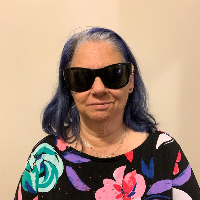

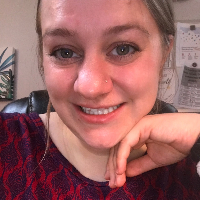


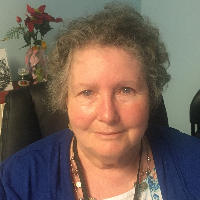



Iesha Whitaker
LCSW
New York - 8 yrs exp
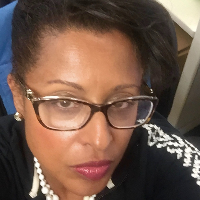




Henrietta Long-Hall
LCSW
New York - 12 yrs exp






How bipolar therapy typically works for New York residents
If you are seeking support for bipolar-related challenges in New York, therapy is often one part of a broader care plan. Therapy sessions focus on helping you manage mood fluctuations, build routines that support stability, and learn coping skills that reduce the impact of episodes on relationships, work, and daily life. Many New Yorkers find therapy helpful for improving communication, recognizing early warning signs of mood shifts, and developing a plan to navigate stressors tied to city life, commuting, work expectations, or family responsibilities.
Therapists who work with bipolar conditions usually collaborate with other health professionals when needed. That collaboration can mean coordinating with a prescribing clinician for medication management, consulting with a primary care provider, or working alongside case managers in community mental health settings. In urban centers such as New York City, and in regional hubs like Buffalo and Rochester, you may find multi-disciplinary teams that combine psychotherapy, medication oversight, and peer support, which can make it easier to get comprehensive care without navigating multiple systems alone.
Finding specialized help for bipolar in New York
When looking for a therapist in New York who has experience with bipolar challenges, consider how their training and experience align with your goals. Clinicians may carry credentials like LCSW, LMHC, PsyD, or PhD and often list specializations such as mood disorders, affective disorders, or bipolar spectrum conditions. You can narrow your search by checking whether a therapist mentions specific approaches that are commonly used with bipolar presentations, such as cognitive behavioral therapy, interpersonal and social rhythm therapy, family-focused therapy, or techniques adapted for mood regulation.
Geography matters when you need in-person appointments. If you live in New York City you will typically have a wider selection of specialists and programs, while in Buffalo or Rochester you may find experienced therapists working in private practice or community clinics. Albany and Syracuse also offer options that can be easier to reach if you live upstate. If transportation or scheduling is a barrier, many therapists now offer online sessions that can reduce travel time and increase access to specialists who may not be located near you.
What to expect from online therapy for bipolar
Online therapy can be a practical choice if you prefer meeting from home or have limited mobility. When you choose telehealth for bipolar-focused therapy, expect appointments that resemble in-person sessions in structure and duration. Your therapist will typically ask about mood patterns, sleep, energy, and functioning, and will work with you to identify strategies for mood monitoring, sleep hygiene, and routine-building. You may also practice skills during sessions and receive worksheets or digital tools to track changes between appointments.
It is reasonable to ask a therapist about how they protect your information and which platforms they use for video visits. Therapists should describe privacy safeguards and how they handle emergencies or crises, including what to do if you are in immediate danger or if you need urgent medication adjustments. If you live near a major city - for example New York City, Buffalo, or Rochester - you may be able to combine in-person check-ins with online sessions to balance convenience and face-to-face care.
Signs someone in New York might benefit from bipolar therapy
You might consider reaching out for bipolar-focused therapy if you notice recurring periods of unusually elevated mood or energy that alternate with extended low mood. Changes in sleep patterns that are not explained by schedule shifts, sudden spending sprees or risky behavior during high energy periods, intense irritability, and difficulty concentrating are common experiences people mention when they seek help. If these patterns interfere with your ability to work, study, care for family members, or maintain relationships, therapy can provide strategies to manage those impacts.
In addition, you may decide to seek therapy if you feel overwhelmed by mood instability, if past treatments have not fully addressed your needs, or if you and your family want better strategies for communication and relapse prevention. People who live in high-stress environments or who are juggling multiple roles in New York City or other busy communities may find particular benefit from establishing routines and supports that reduce the likelihood of extreme mood shifts.
Tips for choosing the right bipolar therapist in New York
Start by considering practical factors such as location, availability, and whether a therapist accepts your insurance or offers a sliding fee option. If evening or weekend appointments are important because of your work schedule, look for clinicians who list flexible hours. You should also think about therapeutic approach and treatment philosophy - some therapists emphasize skills training and structure, while others focus on interpersonal dynamics or family involvement.
Ask potential therapists about their experience with bipolar presentations, including whether they have worked with clients who are balancing medication and therapy or who need support during transitions such as changing jobs, moving, or starting a family. Inquire about how they coordinate care with prescribers and what their crisis plan looks like. If cultural factors, language preferences, or identity-related concerns matter to you, seek a therapist who demonstrates cultural competence and an understanding of the communities they serve, whether you live in an urban neighborhood of New York City or a smaller city like Buffalo or Rochester.
It is okay to try a few therapists before you settle on one. The therapeutic relationship is a key part of effective work, so pay attention to whether you feel heard, whether the therapist explains their approach clearly, and whether the goals they suggest match what you want to achieve. If you are using online appointments, test the technology ahead of a first visit and confirm how cancellations and rescheduling are handled.
Getting started and next steps
When you are ready to begin, reach out to a few clinicians to ask about intake procedures, typical session length, and the kinds of tools they use for mood tracking and relapse prevention. If you are currently seeing a prescriber, let your therapist know so they can coordinate care and ensure a unified approach. If you are not currently connected to a prescriber and think medication may be part of your plan, your therapist can often help you find a prescriber who understands bipolar treatment in New York.
Finally, remember that seeking therapy is a step toward clearer daily routines and better management of mood-related challenges. Whether you live in a dense neighborhood in New York City, a suburban area outside Albany, or a smaller city like Rochester or Buffalo, there are therapists familiar with the local resources and systems who can support your recovery and resilience. Use the listings above to explore profiles, ask questions, and find someone who fits the kind of care you want.