Find a Blended Family Issues Therapist in New York
This page connects you with therapists across New York who focus on blended family issues, including stepfamily formation, parenting adjustments, and co-parenting challenges. Use the listings below to compare clinicians by approach, experience, and availability. Browse profiles to find a professional who matches your family's needs.



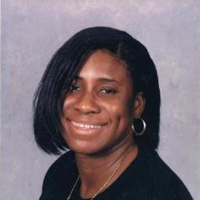
Dr. Colleen Downes
LCSW
New York - 35 yrs exp

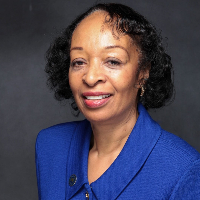



Iesha Whitaker
LCSW
New York - 8 yrs exp



Claudia Stoscheck
LCSW
New York - 30 yrs exp












How blended family issues therapy works for New York residents
If you are navigating the complexities of a blended family, therapy offers a space to address relationship patterns, communication breakdowns, and role-setting that often come with stepfamily life. In New York, clinicians combine evidence-informed approaches with practical strategies to help households adapt. Initial sessions typically focus on understanding the family structure, mapping relationships, and identifying the areas that feel most urgent - whether that is boundaries between step-parents and stepchildren, coordinating parenting plans with former partners, or managing differences in discipline and values.
A therapist will usually work with the couple or the whole family, depending on the issues you bring and the ages of children involved. You can expect a mixture of conversation-focused sessions and structured interventions designed to build emotional understanding and problem-solving skills. Over time, therapy aims to create clearer roles, improve communication, and establish routines that reduce conflict and support healthy attachment for all family members.
Finding specialized help for blended family issues in New York
When looking for a therapist in New York, consider clinicians who state experience with stepfamilies, co-parenting transitions, or family systems work. You will find practitioners offering in-person appointments in neighborhoods across New York City as well as in upstate communities like Buffalo and Rochester, which lets you choose someone near your home or workplace. Many clinicians also list language abilities and the populations they work with, so you can find a good cultural fit if that matters for your household.
Begin by reviewing profiles to see who highlights blended family work in their specialties and to read about their typical clients and approaches. Reach out to ask brief questions about their experience with the specific situation you are facing - for example, introducing a new partner to school-age children, aligning parenting styles between biological and step-parents, or supporting teenagers who resist change. Asking about session format, involvement of children, and whether they coordinate with schools or pediatric providers can help you gauge their suitability.
Local considerations in larger cities
Your location can shape options and resources. In New York City, you may find a larger range of clinicians who specialize in niche blended family dynamics, including practitioners who offer evening hours or bilingual services. In Buffalo and Rochester, clinicians may offer more continuity in long-term work and closer connections to community resources. Wherever you are in the state, consider commuting distances, parking or transit options, and whether you prefer an office near a child’s school or near your workplace.
What to expect from online therapy for blended family issues
Online therapy has become a common way to access blended family support throughout New York. If you choose remote sessions, you can expect video meetings that resemble in-person sessions in structure - introductions, goals for the session, exploration of recent events, and collaborative planning. Online work is often more flexible when coordinating schedules across two households, and it may make it easier to involve a co-parent who lives elsewhere or relatives who share caregiving responsibilities.
To get the most from online therapy, create a consistent, quiet space for sessions and encourage family members to participate from a place where they feel comfortable. Therapists often assign communication exercises or family tasks to practice between sessions, and they may use screen-sharing tools to review communication plans or parenting charts together. If children are involved, clinicians will adapt activities to fit online formats, using games, role-play, or brief check-ins to keep younger family members engaged.
Common signs you or your family might benefit from blended family therapy
You might consider seeking blended family therapy if conflict feels persistent, if children are struggling to adjust, or if adults in the household disagree on parenting and household rules. Other signs include frequent arguments about roles and expectations, repeated misunderstandings between step-parents and stepchildren, or difficulties coordinating co-parenting with former partners. You may also notice signs of stress in children such as withdrawal, acting out at school, anxiety around transitions, or changes in mood that coincide with family adjustments.
Even when problems seem manageable, early intervention can prevent patterns from becoming entrenched. Therapy can help families build a shared approach to discipline, develop rituals that promote belonging, and reduce the emotional load on any single family member. For parents and step-parents, therapy can be a place to negotiate realistic roles and to practice letting attachments form at a sustainable pace.
Tips for choosing the right therapist for this specialty in New York
Start by clarifying what you want to accomplish in therapy - improving communication between adults, easing children's transitions, coordinating across households, or rebuilding trust after conflict. Use those goals to guide your questions when contacting clinicians. Ask about their experience with blended families, their typical approach, and whether they recommend couple, family, or individual sessions for your situation. Inquire about logistics such as availability for evening or weekend sessions if you need flexibility.
Consider whether you prefer someone who offers in-person work in your neighborhood or someone who primarily works online. If you live in New York City, you may have access to a wide variety of specialists and modalities, while in smaller communities you might prioritize a clinician with strong ties to local schools and family services. Think about cultural fit and language needs, and do not hesitate to ask a therapist how they engage with diverse family structures and values.
Cost and insurance are practical factors that affect continuity of care. Many clinicians list whether they accept insurance or offer a sliding scale, and some provide brief phone consultations to determine fit. Make use of those initial calls to get a sense of how the therapist communicates and whether you feel comfortable with their style. Trust your instincts about rapport - a good match helps you feel supported and understood, which can be especially important during complex family transitions.
Working with children and adolescents
If children are part of the work, ask how the therapist includes them in sessions and what strategies they use with different age groups. Younger children often respond to play-based or activity-focused approaches, while older children and teens may prefer more conversational work or individual check-ins. Therapists who partner with schools, pediatricians, and other local supports can offer coordinated plans that extend beyond the therapy room and into everyday routines.
Next steps and expectations
After you identify a few promising clinicians, schedule initial consultations to discuss goals and expectations. Early sessions are an opportunity to see how the therapist structures work, how they involve family members, and how they measure progress. Therapy is a collaborative process that typically takes time - some families see meaningful shifts within a few months, while others engage in longer-term work to address deeper patterns.
Blended family therapy in New York is about building systems that work for your household - not fitting your family to a one-size-fits-all model. With the right clinician, you can develop clearer communication, more consistent routines, and stronger relationships that help everyone feel more connected. Use the listings above to reach out, ask questions, and begin the conversation about what will help your family move forward.