Find a Caregiver Issues and Stress Therapist in New York
This page helps you find therapists who focus on caregiver issues and stress in New York. Browse local and remote listings below to connect with professionals who understand the demands of caregiving.




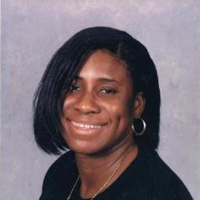
Dr. Colleen Downes
LCSW
New York - 35 yrs exp


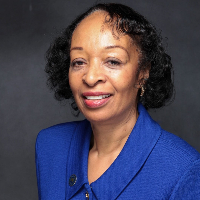




Iesha Whitaker
LCSW
New York - 8 yrs exp











How caregiver issues and stress therapy can help you in New York
When you are juggling responsibilities for another person - whether an aging parent, a spouse with chronic illness, or a child with special needs - the emotional and physical toll can build slowly. Therapy for caregiver issues and stress focuses on practical coping strategies, emotional processing, and problem solving so you can maintain your wellbeing while continuing to provide care. In New York you will find clinicians who combine evidence-informed approaches with an understanding of the state s healthcare systems and community resources.
Therapy does not provide a quick fix. Instead you can expect a process that helps you identify sources of strain, set realistic boundaries, and develop routines that reduce burnout. Many New Yorkers who seek help report clearer priorities, improved sleep, and a greater ability to balance caregiving with work and family life. Therapists work with you to tailor interventions to your situation - whether you live in a high-density neighborhood in New York City or a quieter community upstate.
Finding specialized help for caregiver issues in New York
Start by looking for clinicians who list caregiver support, family caregiving, elder care, or chronic illness adjustment as areas of focus. Licensed social workers, licensed mental health counselors, clinical psychologists, and marriage and family therapists commonly treat caregiver stress. Pay attention to experience working with specific caregiving contexts that match yours - for example dementia care, end-of-life care, pediatric chronic conditions, or long term physical disability.
Geography matters when you want in-person options. In New York City you may have many clinicians nearby with specialized training and affiliations with hospitals and community organizations. In mid-sized cities such as Buffalo and Rochester you can still find experienced providers, and therapists often maintain flexible schedules to accommodate working caregivers. If you live in Albany, Syracuse, or other parts of the state, teletherapy can expand your options while keeping services locally licensed and compliant with New York rules.
What to expect from online therapy for caregiver stress
Online therapy has become a practical option for caregivers who face time constraints and transportation barriers. You can access sessions from home during a lunch break or between appointments at a caregiving facility. Most clinicians conduct video sessions that closely mirror in-person therapy, with the same kinds of assessments, goal setting, and therapeutic interventions. Some therapists also offer shorter check-in calls or message-based follow up that can help you stay on track between sessions.
Before starting online therapy you should confirm that a therapist is licensed in New York and comfortable working with caregiver issues. Discuss session length, frequency, technology requirements, and what to do in a crisis. It helps to set up a quiet and comfortable environment for sessions, and to plan how you will protect your time so sessions do not become interrupted. For caregivers living in the same household as the person they care for, arranging a caregiver respite period or coordinating with another family member can make it easier to attend sessions consistently.
Common signs you might benefit from caregiver issues and stress therapy
You may benefit from seeking professional support if you notice persistent exhaustion that does not improve with rest, chronic sleep problems, or a rising sense of irritability and impatience. Emotional signs can include persistent sadness, feelings of resentment about caregiving duties, or anxiety about managing health, finances, and future planning. Cognitive changes such as difficulty concentrating, forgetfulness, or decision fatigue are also common among caregivers.
Physical symptoms may emerge as well - headaches, changes in appetite, or new health complaints that seem linked to stress. You might also feel socially isolated as caregiving responsibilities reduce your opportunities to see friends or engage in hobbies. If you are experiencing conflict with family over care decisions, or if caregiving responsibilities are affecting your work performance, therapy can offer tools to improve communication, set boundaries, and negotiate responsibilities.
Practical tips for choosing the right therapist in New York
Begin by clarifying what you want from therapy - symptom relief, better coping skills, decision making support, or family mediation. Use those goals to guide conversations with potential therapists. Ask about their experience with caregiver populations, whether they have worked with conditions similar to the one you are managing, and what therapeutic approaches they typically use. You do not need to select the first clinician you contact - many people interview two or three therapists before finding the right fit.
Licensure and credentials matter because they indicate training and accountability. Look for clinicians licensed to practice in New York, and consider their professional background - for example training in family systems, cognitive behavioral therapy, or grief counseling can be particularly relevant for caregivers. In initial inquiries, ask about session availability, cancellation policies, fees, and whether they offer a sliding fee scale if cost is a concern. If you have health insurance, confirm whether the therapist accepts your plan and what portion of the fee may be covered.
Think about logistical fit as well. If you live in New York City you may prefer someone who understands the urban pace and local resources, such as community programs or hospital-based services. In Buffalo, Rochester, Albany, or Syracuse you might prioritize a therapist familiar with regional support options, long term care facilities, or local respite programs. If you plan to do online sessions, check time zone alignment and whether the therapist has experience providing teletherapy to caregivers.
Questions to ask during an initial consultation
In a brief initial call you can ask a therapist how they typically approach caregiver stress, what a typical session looks like, and how they measure progress. Ask about the kinds of tools or homework they might suggest - such as stress management techniques, problem solving worksheets, or communication exercises you can use with family. Clarify how they handle urgent concerns between sessions and whether they coordinate with other professionals involved in the care, such as physicians, nurses, or social workers.
It is also appropriate to ask about cultural competence and experience with diverse families. Caregiving often intersects with cultural expectations about family roles, and you should feel comfortable discussing those dynamics with your therapist. If you are caring for someone with a condition that requires specialized knowledge, such as dementia, ALS, or developmental disability, ask whether the therapist has specific experience or training in those areas.
Using therapy alongside other supports in New York
Therapy is one piece of a broader support plan. You may find additional relief by connecting with caregiver support groups, adult day programs, or respite services available in many New York communities. Hospitals, faith communities, and local nonprofits often run programs designed to reduce caregiver isolation and provide practical guidance. A therapist can help you identify resources in your area and integrate them into a sustainable care plan.
Ultimately your goal is to maintain your health and wellbeing while providing care. Therapy can give you tools to manage stress, improve communication, and make informed choices about care arrangements. Whether you live in a busy neighborhood in New York City, a suburban area, or a smaller city such as Buffalo or Rochester, you can find clinicians who understand the unique challenges of caregiving and who can help you take practical steps toward a more balanced life.