Find a Chronic Illness Therapist in New York
This page connects you with therapists in New York who specialize in chronic illness care, including online and in-person options. Browse the listings below to compare clinicians, approaches, and availability in your area.



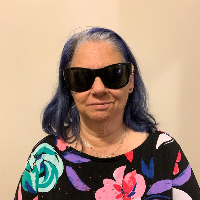
Dr. Colleen Downes
LCSW
New York - 35 yrs exp


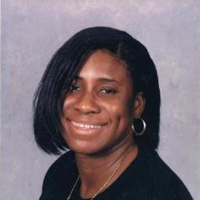
Josephine Ovalles
LCSW
New York - 13 yrs exp
















How chronic illness therapy works for New York residents
Therapy for chronic illness focuses on the emotional, behavioral, and practical challenges that often accompany long-term health conditions. In New York, you will find clinicians who combine evidence-informed talking therapies with strategies for coping with persistent symptoms, treatment side effects, and the life changes that can follow a diagnosis. Your therapist will typically start by learning about your medical history, day-to-day functioning, and what you most want to change or manage. From there, you and your clinician set goals that reflect your priorities - whether that means reducing anxiety about medical appointments, improving sleep, managing pain flare-ups, or finding ways to maintain relationships and work roles while living with illness.
Many therapists collaborate with your medical team when appropriate, with your permission, to make sure psychological care fits your overall treatment plan. This collaboration can be especially useful when medical factors influence mood, energy, or cognition. Because New York has a wide range of hospital systems, specialty clinics, and community resources, your therapist may be able to help you connect with local supports, rehabilitation services, or patient advocacy organizations that specialize in conditions like autoimmune disorders, chronic pain, neurological conditions, or post-viral syndromes.
Assessment and ongoing care
Your first sessions will often include a focused assessment that explores symptoms, coping strategies, lifestyle factors, and supports. This assessment helps your therapist recommend interventions that match your needs. For some people a brief course of focused therapy is enough to learn new coping skills and return to daily life with better tools. For others, ongoing therapy provides a consistent space to process setbacks, navigate changing health needs, and plan for long-term adjustments. You should expect your therapist to check in regularly about how treatment is going and to adapt the approach if your symptoms or circumstances change.
Finding specialized help for chronic illness in New York
When you look for a therapist in New York, consider clinicians who list chronic illness, chronic pain, or medical-related distress among their areas of expertise. Search filters that allow you to narrow by clinical focus, treatment approach, and location can help you find someone with relevant experience. In larger urban centers like New York City there is often a broader range of specialists who work with particular conditions and who are experienced in coordinating with subspecialty medical teams. In places such as Buffalo and Rochester you can also find knowledgeable clinicians and community resources, and in smaller cities and towns telehealth has made it easier to access specialists across the state.
Licensure and professional background matter in choosing a therapist. Therapists licensed in New York are trained to work with a variety of health-related challenges, and many pursue additional training in pain management, acceptance-based therapies, or rehabilitation psychology. You might also look for clinicians who have experience working with disability accommodations, return-to-work planning, or family dynamics affected by chronic illness. If cultural competence or language access is important to you, search for therapists who advertise experience with specific communities or who provide sessions in multiple languages.
What to expect from online therapy for chronic illness
Online therapy can be a practical option if your symptoms make travel difficult, if you live outside major metropolitan areas, or if you prefer the convenience of remote care. In New York, many therapists offer video sessions that replicate an in-person format while allowing you to join from your home, a workplace, or another comfortable environment. Remote sessions make it easier to keep appointments during flare-ups and to include family members or caretakers when helpful. You should expect clear instructions on how to join your session, guidelines for what to do if a session is interrupted, and a plan for managing crises or emergencies that might arise between appointments.
Effective online therapy adapts techniques to a digital format. Your therapist may use screen-shared worksheets, guided breathing or mindfulness exercises, and collaborative goal-setting tools. They will also work with you to plan for days when fatigue or pain makes a full session difficult - for example by shortening sessions, alternating synchronous and asynchronous contact, or providing audio or written materials you can use between meetings. Online therapy does not replace medical care, but it can complement treatment by helping you develop coping skills, manage stress, and make behavior changes that support health and quality of life.
Common signs you might benefit from chronic illness therapy
You might consider therapy if you find that emotional distress, worry about the future, or changes in mood are interfering with daily life or relationships. Persistent feelings of sadness, persistent worry about health, withdrawal from activities you used to enjoy, difficulty managing pain or fatigue, and trouble sleeping are common reasons people seek help. Therapy is also useful when you notice that treatment decisions feel overwhelming, when you struggle to communicate about needs with family or medical providers, or when you are adapting to a new diagnosis and the identity shifts that can follow. Caregivers and partners can also benefit from support to manage burnout and to learn strategies for sustaining care over time.
Another sign that therapy may help is when you find behavioral patterns that inadvertently worsen symptoms - for example avoiding movement that could be helpful, or excessive checking and reassurance-seeking that increases anxiety. A trained clinician can help you explore these patterns with a gradual, tolerable plan for change. You do not need to be in crisis to start therapy - thinking ahead and building skills early can reduce stress and improve day-to-day functioning as your health needs evolve.
Tips for choosing the right therapist for this specialty in New York
Begin by clarifying what you want from therapy and what practical considerations matter to you - for example whether you need evening appointments, a clinician who can support disability paperwork, or someone who works with specific cultural communities. Read therapist profiles to learn about their training, therapeutic approach, and experience with medical conditions. When you contact a prospective therapist, ask how often they work with people who have conditions like yours, what techniques they commonly use, and how they coordinate care with medical teams. You may also inquire about fee structures, insurance participation, and whether sliding scale fees are offered.
Location can influence your choices. In New York City you may have access to therapists who specialize in narrowly defined conditions or who offer intensive programs. In Buffalo and Rochester you may find experienced clinicians who are well connected with regional hospitals and community supports. If you live outside these centers, telehealth expands your options and allows you to work with specialists statewide. Trust your instincts about rapport - a good therapeutic relationship often matters as much as specific training. If you are uncertain after a first session, it is reasonable to try a few clinicians until you find one whose style and approach fit your needs.
Preparing for your first appointment
Before your first session, make a brief list of current symptoms, recent medical changes, medications, and any questions you want to address. Be ready to describe how chronic illness affects your daily routines, work, and relationships, and to share what has helped or not helped in the past. You may find it helpful to set one or two concrete goals for therapy to guide early sessions. Remember that the initial meeting is as much about mutual fit as it is about information gathering - if your therapist explains their approach and you feel heard and understood, that is a strong foundation for effective work together.
Ultimately, therapy for chronic illness in New York is about helping you live as fully as possible within the reality of ongoing health needs. Whether you connect with someone in New York City, Buffalo, Rochester, or elsewhere in the state, thoughtful therapy can offer strategies, emotional support, and practical planning that ease daily burdens and support long-term wellbeing. Use the listings above to narrow your search, read profiles, and reach out to clinicians who match your priorities. Booking an initial consultation is a practical first step toward finding care that fits your life.