Find a Chronic Pain Therapist in New York
This page lists therapists who specialize in chronic pain care across New York, including options for in-person and remote appointments. Browse the listings below to compare clinicians, approaches, and availability in your area.



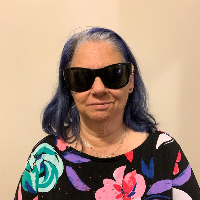

Dr. Colleen Downes
LCSW
New York - 35 yrs exp


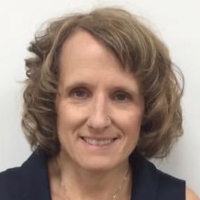
Josephine Ovalles
LCSW
New York - 13 yrs exp
















How chronic pain therapy works for New York residents
When you seek therapy for chronic pain in New York, you enter a process that addresses the physical, emotional, and behavioral aspects of long-term pain. Therapists trained in pain-focused work often collaborate with your medical providers, physical therapists, and other members of your care team to create a cohesive plan. Therapy typically begins with an assessment of how pain affects your daily life - sleep, mood, activity level, work, and relationships - and then moves toward practical strategies you can apply day to day. These strategies are aimed at helping you regain function, reduce the distress associated with pain, and develop patterns of behavior that support goals you value.
Because New York is a large and diverse state, services may differ by region. In New York City you may find clinicians who are part of multidisciplinary pain clinics or hospital-affiliated programs offering integrated care. In smaller cities and suburbs there are therapists who focus on behavioral pain management and work closely with local physicians. No matter where you live, the therapeutic relationship centers on understanding your experience and tailoring techniques to your needs and lifestyle.
Finding specialized help for chronic pain in New York
Begin by identifying therapists who list chronic pain, pain management, or related modalities on their profiles. Look for clinicians with training in cognitive-behavioral therapy for pain, acceptance and commitment therapy, mindfulness-based approaches, or rehabilitation psychology. You can also ask primary care doctors, pain specialists, or physical therapists for referrals. In metropolitan areas such as New York City you may have access to interdisciplinary teams that include psychologists, occupational therapists, and pain physicians. In places like Buffalo and Rochester clinicians may offer close collaboration with local medical centers or community health resources.
Another practical step is to check whether a therapist has experience working with specific types of pain that affect you - for example postoperative pain, neuropathic pain, or pain linked to conditions such as arthritis or persistent low back pain. Experience with related concerns - sleep disruption, anxiety, depression, and vocational impact - can also be important because these areas often interact with how pain is experienced and managed.
What to expect from online therapy for chronic pain
Online therapy has become a common way to access chronic pain clinicians across New York, and it can be especially useful if mobility is limited or if you live outside major metropolitan centers. When you choose remote sessions you can expect many of the same assessment and treatment elements that appear in face-to-face care. Your therapist will review your pain history, current medications, daily routines, and activity patterns, and then work with you to set realistic, measurable goals. Sessions often include skills training such as pacing activities to avoid boom-and-bust cycles, gradual exposure to movement, sleep strategies, and cognitive techniques to manage worry or catastrophic thinking about pain.
Before beginning online work, ask about the platform the clinician uses, session length and frequency, and how they coordinate care with other providers. Some therapists offer a mix of in-person and virtual appointments depending on your needs. If you live in New York City, you may find both clinic-based and online specialties; in Buffalo and Rochester remote care may expand your options beyond what is locally available. Make sure you have a comfortable environment for sessions and a plan for troubleshooting technology so your focus can stay on the therapy itself.
Coordination with medical care
Therapists often encourage coordinated communication between you and your medical team. This can mean sharing treatment goals with your physician, obtaining referrals when needed, or aligning behavioral strategies with a physical therapy program. Coordination helps ensure that psychological interventions complement medical approaches rather than conflict with them. If you are working with a pain specialist or are considering interventional procedures, your therapist can support preparation and recovery through coping skills and gradual activity planning.
Common signs that someone in New York might benefit from chronic pain therapy
You might consider therapy if pain interferes with your ability to work, care for family, or enjoy activities you once liked. Persistent sleep problems, increased anxiety about flare-ups, withdrawal from social contact, and difficulty carrying out routine tasks are all signs that behavioral strategies could help. You may also notice patterns such as avoiding movement for fear of causing more pain or relying heavily on medications as the only way to cope. Therapy can provide alternatives that address both mood and function without making promises about eliminating pain entirely.
If geographic or transportation barriers in New York make it hard to attend regular appointments, online sessions can offer continuity. People in rural counties or outside major hubs like New York City may find remote access particularly helpful for maintaining momentum in treatment. If you are unsure whether therapy is appropriate, an initial consultation can clarify likely benefits and how therapy would be structured around your circumstances.
Tips for choosing the right therapist for this specialty in New York
Start by identifying clinicians who explicitly list chronic pain or pain management among their areas of expertise. Look for training and experience with evidence-informed approaches such as cognitive-behavioral therapy for pain, acceptance and commitment therapy, and mindfulness-based pain management. Read therapist profiles for descriptions of how they work with pain-related concerns, and consider whether their approach aligns with your preferences for structured skill-building, exploration of emotional impact, or a blend of both.
Consider practical factors such as location, insurance or payment options, and whether you prefer in-person appointments or telehealth. If you live in New York City you may have easier access to clinicians with specialized certifications, while in Buffalo or Rochester you may prioritize therapists who collaborate closely with local medical providers. Ask potential therapists about what a typical treatment plan looks like, how progress is tracked, and how they involve other members of your care team. It is reasonable to request an initial session to see if you feel comfortable and understood. Therapy is a collaborative process and the right fit is one where you feel heard and where the goals you set together feel achievable.
Questions to ask during a consultation
During a first call or appointment ask the clinician how they approach chronic pain, what techniques they commonly use, and how they measure outcomes. You might explore their experience with conditions similar to yours and how they coordinate care with physicians or physical therapists. Discuss logistics - session length, frequency, fees, and cancellation policies - and whether they offer remote sessions if that is important to you. A clear sense of these practicalities will help you decide whether to move forward and what to expect in the coming weeks.
Where to go next
Finding the right therapist in New York can shift how you experience and manage chronic pain. Whether you live in a major center like New York City or a smaller community near Buffalo or Rochester, take time to compare clinicians, ask informed questions, and choose a provider whose approach feels like a good match for your needs. Begin with an initial consultation, set realistic goals, and stay open to adjusting the plan as you learn what helps you function and live more fully despite pain.
Therapy is one part of a broader care plan that can include medical treatment, physical rehabilitation, and lifestyle adjustments. With the right supports in place you can develop tools to manage symptoms, protect what matters most to you, and move toward a life that reflects your priorities.