Find a Coaching Therapist in New York
This page helps you explore coaching therapists who practice in New York. You will find profiles, specialties, and options for both in-person and online coaching across the state. Browse the listings below to compare approaches and reach out to therapists who match your goals.

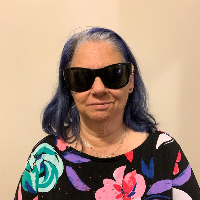

Dr. Colleen Downes
LCSW
New York - 35 yrs exp

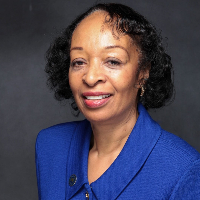









Josephine Ovalles
LCSW
New York - 13 yrs exp

Claudia Stoscheck
LCSW
New York - 30 yrs exp









How coaching therapy typically works for New York residents
Coaching therapy blends goal-oriented coaching techniques with therapeutic awareness to help you move forward on specific life, career, or performance goals. In New York you can find practitioners who focus on a range of aims - from career transitions in New York City to leadership development in Buffalo and confidence building in Rochester. Sessions are structured around measurable objectives, and you and your coach will work together to set milestones, identify obstacles, and try practical strategies in between meetings.
Many coaching therapists begin with an intake conversation to clarify your priorities and preferred pace. That first conversation is an opportunity to outline the timeframe you imagine and to discuss what success would look like. Coaching tends to be forward-looking and action-oriented, with regular review of progress and adjustments to your plan as you go. Because New York is geographically and culturally diverse, you will find coaches who bring local knowledge about city life, suburban routines, or the rhythms of upstate living into their work with you.
Finding specialized coaching help in New York
If you have a specific area you want to address - such as executive leadership, career change, work-life balance, or creative productivity - you will get the most from a coach who has experience in that niche. Many therapists advertise specialties such as career coaching, performance coaching, ADHD coaching, or transition coaching. When you look at profiles, pay attention to the populations they mention, the types of goals they describe, and any additional training or certifications they list. In urban centers like New York City, you might find coaches who pair business consulting experience with clinical training. In cities such as Buffalo and Rochester, coaches often combine community knowledge with approaches tailored to regional employment markets and educational institutions.
Consider the setting you prefer. If you value in-person meetings, search for coaches near your neighborhood or commute corridor. If you want convenience and a wider selection, online coaching widens your options across the state. Either way, you will want to review a coach's approach to sessions, typical length of engagement, and whether they use assessments or structured tools to support goal setting.
What to expect from online coaching for New York clients
Online coaching has become a common way to meet with a coach in New York, and it offers flexibility whether you live in a dense urban neighborhood or a more rural area. You can schedule sessions outside traditional business hours, which helps if you have a demanding workday or are managing variable shifts. Most online sessions happen by video, which allows you and your coach to read expressions and share visual tools. Audio-only or messaging-based formats are also available from some practitioners for times when video is not possible.
Before your first online session, check that you have a reliable internet connection and a quiet place to talk. Let your coach know what platform you will use and whether you need guidance on technical setup. Discuss boundaries around recording, rescheduling, and how you'll receive follow-up materials or exercises. If you travel between New York City and upstate areas like Syracuse or Albany, confirm with the coach how cross-region scheduling will be managed so there is clarity about availability and any differences in local practice requirements.
Practical considerations for online work
Online coaching can be convenient, but it still requires intentional preparation. You should plan for a distraction-free environment and consider using headphones for clearer audio. If you will use video, choose a background that is comfortable and that allows you to focus. Ask potential coaches about their cancellation policy, fee structure, and preferred communication methods between sessions. A clear understanding of these logistics helps you make the most of each meeting and keeps momentum toward your goals.
Common signs you might benefit from coaching therapy in New York
You might consider coaching if you feel stuck in your career, struggle to make decisions, or sense that your life is moving in a direction you did not choose. Coaching is especially helpful when you have a specific outcome in mind - for example, a promotion, a planned career change, starting a business, or improving time management. People often seek coaching when they are navigating life transitions, returning to work after a break, or wanting to increase confidence in social or professional settings.
Other signs include ongoing procrastination despite clear goals, frequent drift from priorities, difficulty translating intentions into actions, or feeling overwhelmed by competing responsibilities. In busy New York lifestyles, you may notice patterns of burnout, chronic indecision, or strained boundaries between work and personal life. Coaching can help you identify practical shifts, set realistic timelines, and build routines that fit your schedule and values.
Tips for choosing the right coaching therapist in New York
Start by clarifying what you want to achieve and how much time you are willing to commit. When you review profiles, look for evidence of experience in the area you want to focus on. Credentials and relevant certifications can indicate additional training, but also pay attention to the coach's style and whether it feels like a match with your personality. Many coaches offer an initial consultation - take advantage of that to ask about their methods, examples of client progress, and how they measure success.
Think about logistics such as location, availability, language, and fees. If you live in a neighborhood of New York City you may prioritize evening availability; if you are in Buffalo or Rochester you might seek a coach who understands local employment trends. Ask about session frequency and what homework or exercises you can expect between sessions. It is also helpful to explore how they handle setbacks and what strategies they use to keep you accountable without creating pressure that feels counterproductive.
Interpersonal fit and ongoing evaluation
The relationship with your coach matters. You should feel heard and respected, and you should be able to give feedback about pacing and focus. After a few sessions evaluate whether you feel progress toward your goals. Coaching often involves trying new behaviors and then assessing what works. If you find that the style or pace is not helping you, it is reasonable to discuss adjustments or to seek a different practitioner whose approach aligns with your needs.
Next steps when you are ready to connect
When you are ready to reach out, prepare a brief summary of your goals and any constraints on your time. Use the directory listings to compare profiles and schedule initial conversations with a few coaches to find the right fit. Whether you meet in person somewhere in New York City or opt for sessions from home while living in Albany or Syracuse, choosing a practitioner who understands your aims will help you move from intention to action. Thoughtful preparation and clear communication set the stage for meaningful progress in your coaching journey.