Find a Depression Therapist in New York
This page helps you find depression-focused therapists in New York, with options that may include in-person and online care.
Browse the listings below to compare specialties, approaches, and availability so you can choose a clinician who feels like the right fit.





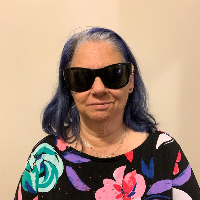

Dr. Colleen Downes
LCSW
New York - 35 yrs exp















Depression therapy in New York: what it is and how it can help
If you are looking for depression therapy in New York, you are likely looking for a place to talk openly, sort through what you are experiencing, and build practical skills for day-to-day life. Depression-focused therapy typically centers on understanding patterns in mood, thoughts, behavior, sleep, relationships, and stress. Your therapist helps you clarify what you want to change, then works with you on steps that feel realistic for your life in 2026.
Many people in New York seek therapy when life feels heavy or numb, when motivation drops, or when it becomes hard to keep up with work, school, parenting, or social plans. Therapy is not about being told to “think positive.” It is usually a structured process where you and a licensed clinician collaborate on goals, track what is working, and adjust when it is not.
Depending on the therapist’s training, depression therapy may include skill-building, exploring underlying stressors, strengthening coping strategies, improving routines, and addressing relationship dynamics. Some clinicians also coordinate with other providers when you want a broader support team. The best fit is often the one that matches your needs, preferences, and pace.
How depression therapy works for New York residents
In New York, you can find depression therapy through private practices, group practices, clinics, and community-based providers. Sessions may be weekly at first, then shift to every other week as you gain momentum. Your therapist may suggest a short-term plan focused on specific goals, or a longer-term approach if you are dealing with recurring symptoms, complex stress, or major life transitions.
Because New York includes dense urban areas and wide rural regions, access can look very different depending on where you live. If you are in New York City, you may have many nearby in-person options but also face scheduling constraints, commuting time, and higher fees. In places like Buffalo or Rochester, you may find a different mix of providers, potentially with shorter commutes but fewer niche specialties in certain neighborhoods. Online therapy can help bridge these gaps when in-person options are limited or inconvenient.
New York also has strong professional standards for licensed mental health clinicians. When you browse listings, look for licensing details, areas of focus, and the kinds of clients a therapist typically serves. This can help you narrow down options to those most aligned with depression-related concerns.
Finding specialized help for depression in New York
“Depression” can mean different things to different people. You might be dealing with persistent low mood, loss of interest, irritability, burnout, grief-related sadness, or a sense of disconnection. Specialized depression care often means the therapist has experience with the patterns that commonly show up alongside depressive symptoms, such as anxiety, trauma stress, perfectionism, chronic stress, substance use concerns, or relationship strain.
When searching for specialized help in New York, focus on these practical markers:
- Experience with depression-specific goals: Ask whether the therapist regularly helps clients with motivation, energy, negative self-talk, and re-engaging with routines.
- Approach and structure: Some therapists are more skills-based and structured, while others are more exploratory. Many blend both.
- Population fit: Some clinicians focus on teens, college students, postpartum clients, caregivers, or working professionals.
- Cultural and contextual understanding: New York is diverse. You may want someone who understands your community, identity, and lived experience.
If you live in or near New York City, you might also look for clinicians familiar with high-pressure work environments, long commutes, housing stress, and the impact of fast-paced schedules on mood. In Buffalo, Rochester, Albany, and surrounding regions, you might prioritize access, continuity, and a therapist who can support you through seasonal changes and shifting routines. The “right” specialization is the one that matches the realities of your daily life.
What to expect from online therapy for depression
Online therapy can be a convenient option if you want support without travel time, if your schedule changes week to week, or if you prefer meeting from home. For many New York residents, online sessions make it easier to stay consistent, especially during busy seasons at work or school.
Getting started
Most therapists begin with an intake process where you share what brings you in, what you have tried before, and what you want to be different. You can also discuss preferences, such as whether you want a more structured plan, coping tools, or space to process emotions and relationships. You will typically review informed consent, privacy considerations, and emergency planning for times when you might feel overwhelmed.
Session flow
Sessions often look similar to in-person therapy: you talk through what is happening, identify patterns, and practice skills or strategies. Your therapist may suggest between-session exercises like tracking mood, experimenting with small routine changes, or practicing communication skills. If you are experiencing low energy or motivation, a good therapist will help you set goals that are small enough to be doable and meaningful enough to matter.
Privacy and practical setup
For online therapy, you will want a private space, stable internet, and a plan for interruptions. If privacy is hard to find in a shared apartment in New York City or a busy household, consider using headphones, meeting from a parked car, or scheduling during quieter hours. You can also ask therapists about flexible scheduling to fit shift work, caregiving, or commuting patterns.
Common signs you might benefit from depression therapy
You do not need to hit a breaking point to seek support. Many people start therapy when they notice changes that are affecting their quality of life. If any of the following feel familiar, it may be worth reaching out to a depression therapist in New York:
- Feeling down, empty, numb, or hopeless more often than not
- Losing interest in activities, relationships, or goals you used to care about
- Low motivation, low energy, or difficulty getting started with daily tasks
- Changes in sleep, appetite, or concentration that disrupt your routine
- Increased irritability, tearfulness, or feeling emotionally “flat”
- Withdrawing from friends, family, or coworkers
- Feeling stuck in harsh self-criticism or persistent guilt
- Struggling to keep up with work, school, parenting, or household responsibilities
Depression can also show up as physical tension, restlessness, or a sense that everything takes more effort than it used to. Therapy can help you understand what is driving these changes and build a plan to respond differently, one step at a time.
Tips for choosing the right depression therapist in New York
Choosing a therapist is a personal decision. Use the listings on this page to compare options, then consider a brief consultation or first session as a chance to see how the fit feels. These steps can help you decide:
1) Look for depression-specific experience
Read the therapist’s profile for depression-related focus areas. If you are dealing with depression alongside anxiety, grief, trauma stress, or major life changes, look for a clinician who mentions those intersections. Specialized experience often means the therapist has a clearer roadmap for common obstacles like low motivation, rumination, and avoidance.
2) Consider the type of support you want
Ask yourself what would feel most helpful right now:
- Practical tools: You want strategies to improve routines, energy, and coping.
- Emotional processing: You want space to work through pain, loss, or relationship patterns.
- Both: You want structure and reflection together.
There is no single best approach. What matters is that the therapist can explain how their style supports your goals and can adjust when your needs change.
3) Check logistics that affect consistency
Consistency is often a key ingredient in progress. When comparing New York therapists, pay attention to practical details like session times, fees, insurance options, cancellation policies, and whether they offer online sessions. If you live in a borough with long cross-town travel or you commute between cities like New York City and Rochester for work or family, online therapy may make it easier to keep appointments.
4) Notice how you feel after the first contact
In your initial call or message, you can ask how the therapist typically works with depression, what sessions look like, and how you will measure progress. You should feel respected, heard, and not rushed. It is also reasonable to ask about their experience working with clients from your background or with similar stressors.
5) Give it a few sessions, then reassess
It can take time to build trust and see change, especially when depression affects energy and hope. After a few sessions, consider whether you feel understood, whether goals are clear, and whether the therapist’s approach fits your preferences. If not, you can switch. Finding the right match is part of the process.
Making the most of depression therapy
Once you choose a therapist, small steps can make therapy more effective. Bring a short list of what you want help with, even if it is messy or hard to put into words. Track a few simple markers between sessions, such as sleep consistency, social connection, or how often you get outside. If you are in a high-demand environment like New York City, or juggling multiple responsibilities in Buffalo or Rochester, ask your therapist to help you set goals that fit your real schedule, not an ideal one.
Most importantly, you do not have to figure this out alone. Browse the depression therapist listings on this page, review specialties and availability, and reach out to start a conversation about what support could look like for you in New York.