Find a Disability Therapist in New York
This page lists therapists who specialize in disability-related support across New York. You can browse clinician profiles to find professionals experienced with a range of needs and care approaches.
Use the listings below to compare backgrounds, approaches, and availability, then reach out to schedule an initial consultation.



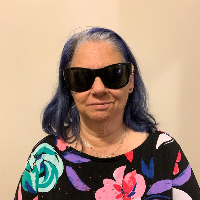
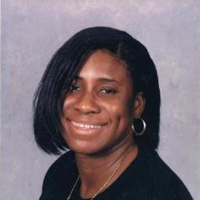
Dr. Colleen Downes
LCSW
New York - 35 yrs exp


Josephine Ovalles
LCSW
New York - 13 yrs exp
















How disability therapy works for New York residents
If you are exploring disability therapy in New York you will find that services are shaped by a combination of clinical approaches and practical coordination with local systems. Therapy often begins with an intake conversation and assessment to identify what is most important to you - whether that is managing daily routines, adapting to a new diagnosis or injury, coping with stress related to accessibility barriers, or building skills for work and social life. From that foundation clinicians develop an individualized plan that can include talk-based interventions, skills training, caregiver coaching, and referrals to occupational therapy or other rehabilitative services when appropriate.
Because New York is geographically diverse, the way services are delivered can vary. In urban areas like New York City you may have a wider selection of specialists with niche experience, while in smaller cities such as Buffalo and Rochester you may find clinicians who combine several roles to meet local needs. Many practitioners collaborate with community programs, schools, employers, and case managers to help align therapeutic goals with benefits, accommodations, and practical supports that affect daily functioning.
Finding specialized help for disability in New York
When you look for a therapist who focuses on disability, start with credentials and relevant experience. Licensed psychologists, licensed clinical social workers, and licensed mental health counselors often work with disability-related concerns, and some clinicians hold additional training in areas like neurodiversity, chronic health conditions, or assistive communication. You should look for someone who has experience with the specific challenges you or your loved one face - for example adapting to a sensory impairment, supporting cognitive changes after an injury, or navigating workplace accommodations.
Geography and access matter. If you live near New York City you may be able to find narrow specializations such as clinicians with experience in assistive technology consultation or interdisciplinary clinics that sit close to major hospital systems. In Buffalo and Rochester there are practitioners who are skilled at working with community resources and regional support programs. If you are in an area with fewer local options you can expand your search to include therapists who offer teletherapy across New York State, which can increase your access to specialists who understand the state’s systems and resources.
What to expect from online therapy for disability
Online therapy can be a practical option for many New Yorkers, especially if transportation, mobility, or local availability are barriers. When you choose teletherapy you can expect a similar structure to in-person work - an assessment, goal setting, and regular sessions - but delivered through video or phone. Teletherapy helps maintain continuity of care during transitions like relocation or changing schedules, and it can make it easier to include family members or caregivers in sessions when needed.
Not all disability-related supports translate fully to remote work. For example hands-on training or certain types of physical rehabilitation are typically done in person. However, strategies for stress management, communication, planning, and advocacy often adapt well to an online format. When you first meet a clinician online, ask how they integrate teletherapy with in-person services when necessary, how they coordinate with other providers, and what technical expectations there are for sessions. It is also reasonable to ask about their experience providing remote care to people with similar needs to yours.
Licensing and cross-jurisdiction practice
New York requires clinicians to be licensed to provide mental health services to residents. If you are using teletherapy, make sure the therapist is authorized to work with clients in New York. This protects you by ensuring the clinician follows state practice standards and is familiar with local resources and regulations that may affect care, such as steps for accessing educational supports or disability benefits.
Common signs someone in New York might benefit from disability therapy
You might consider seeking disability-focused therapy if you or someone you care about is facing ongoing difficulty with daily activities, increased social isolation, or persistent stress related to accessibility or discrimination. Changes in mood or motivation after an injury, a new diagnosis, or during life transitions such as returning to work or school are also common reasons people seek support. Caregivers who are feeling overwhelmed or unsure how to assist effectively often find value in working with a therapist who can provide skills for communication, behavioral strategies, and self-care.
In community settings you may notice that school performance, job retention, or relationships are affected by a person’s functional challenges. When those issues start to limit participation in meaningful activities, that is a clear signal that targeted support could be helpful. Therapy does not promise cures, but it can help you build practical strategies to improve day-to-day functioning and to advocate for accommodations that make life more manageable.
Tips for choosing the right therapist in New York
Start by clarifying your goals - whether you want to learn coping strategies, navigate systems like employment or education, manage caregiver stress, or address emotional responses to disability. Use those goals to guide your search for clinicians who list relevant experience and training. During an initial conversation ask about the clinician’s experience with the specific disability or challenge you face, their therapeutic approach, and how they measure progress. It is reasonable to ask how they coordinate with other professionals such as doctors, occupational therapists, or school teams.
Consider practical factors as well. Ask about appointment availability, fees, and whether they accept the insurance you have or offer a sliding scale. If language access or cultural experience matters to you, inquire about the clinician’s background in working with diverse communities. If mobility or travel is a concern, check whether they provide teletherapy and how they support accessibility during remote sessions.
Geographic differences can influence your options. In New York City you may have more choices for specialized practice areas, while in upstate regions like Buffalo and Rochester you might find clinicians who bring broader multidisciplinary experience. If you rely on local support programs, choose a therapist who is familiar with New York State services and can help you navigate referrals and documentation when needed.
Making the most of therapy
Once you begin, be open about your expectations and invite regular check-ins about progress and any adjustments that might help. Therapy is often most effective when it addresses concrete goals and includes techniques you can practice between sessions. If you have other providers, ask your therapist about communication options so that care remains coordinated. Remember that finding the right fit can take time - if a clinician’s approach does not match your needs, it is okay to seek a different practitioner whose style and expertise align more closely with your goals.
Whether you live in Manhattan, Queens, Buffalo, Rochester, or elsewhere across the state, the listings on this page are a starting point to connect with professionals who focus on disability. Use the profiles to compare training, approaches, and availability, and reach out to begin a conversation about how a therapist can support your next steps.