Find a Forgiveness Therapist in New York
This page features therapists who specialize in forgiveness work throughout New York, including New York City, Buffalo, Rochester, Albany, and Syracuse. Browse the listings below to compare clinicians, therapeutic approaches, and appointment options. Use filters to narrow by location, availability, and treatment focus before contacting a provider.


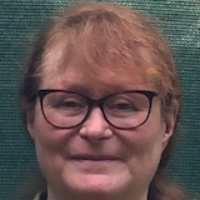
Dr. Colleen Downes
LCSW
New York - 35 yrs exp




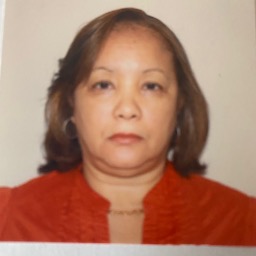
Josephine Ovalles
LCSW
New York - 13 yrs exp




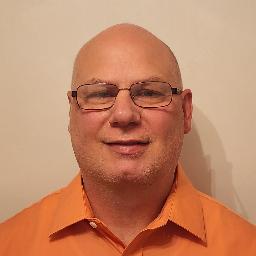
Claudia Stoscheck
LCSW
New York - 30 yrs exp







How forgiveness therapy works for New York residents
Forgiveness therapy is a focused approach that helps you address lingering anger, resentment, or grief related to interpersonal harm. In practice you and your therapist will explore the history of the wound, how it continues to affect your emotions and relationships, and what a meaningful step toward letting go might look like. Therapists draw on a range of evidence-informed techniques - such as cognitive and emotion-focused strategies, narrative methods that help you reframe your story, and experiential exercises that promote empathy and self-compassion. The work often balances honoring the pain with practical steps toward reducing its daily impact, so you can make clearer decisions about boundaries, reconciliation, or acceptance without feeling compelled to rush a process that can take time.
Finding specialized help for forgiveness in New York
In a state as large and diverse as New York, you have access to therapists with a wide variety of backgrounds and specializations. Urban centers like New York City tend to offer many clinicians with trainings in forgiveness-focused models, trauma-informed care, and culturally specific approaches. If you live in Buffalo, Rochester, Albany, or Syracuse you can still find clinicians who bring relevant experience and who may offer hybrid schedules of in-person and remote sessions. When searching, look for therapists who list forgiveness or relational healing in their specialties, and pay attention to descriptions of their therapeutic orientation, experience with trauma or grief, and any additional cultural or faith-based competencies that matter to you.
What to expect from online therapy for forgiveness
Online therapy offers flexibility for New York residents who have busy schedules, limited local options, or mobility concerns. Sessions typically follow the same structure as in-person work - an initial assessment, collaborative goal-setting, and a series of sessions focused on emotional processing and skill-building - but take place over video or phone. You should plan a quiet, uninterrupted space for sessions and ask about the therapist's communication policies between appointments. Many clinicians will offer a mix of talk-based interventions and written or worksheet-style activities to support practice between sessions. Online formats can also make it easier to connect with clinicians who specialize in forgiveness but are not located in your immediate area, which is useful if you want someone with specific training or a particular cultural background.
Common signs you might benefit from forgiveness therapy
You might consider forgiveness-focused work if you find yourself repeatedly ruminating about an injury or betrayal, if past hurts surface in current relationships, or if anger or bitterness affects your day-to-day mood. You may notice patterns such as avoiding certain people or places tied to the event, difficulty trusting others, or recurring conflict with friends or family that seems rooted in an unresolved incident. Some people seek therapy when they feel stuck - when efforts to move on aren’t working, when attempts at reconciliation leave you empty, or when guilt and shame interfere with self-care. Living in New York can sometimes intensify these feelings if you feel pressure to appear 'fine' while managing a fast-paced life, so seeking dedicated help can provide space to process without judgment.
How cultural context in New York can shape forgiveness work
New York's cultural and religious diversity means your experience and expectations around forgiveness may be influenced by family traditions, community norms, and faith practices. In neighborhoods across New York City or in upstate communities like Buffalo and Rochester, therapists vary in their awareness of these influences. You may prefer a clinician who understands how culture shapes ideas about apology, restitution, and public versus private reconciliation. It is reasonable to ask prospective therapists how they integrate cultural factors into treatment, and whether they have experience working with clients who share similar backgrounds or values.
Practical tips for choosing the right forgiveness therapist
Begin by clarifying what you want from therapy - whether it's personal relief from anger, rebuilding a relationship, or learning to set boundaries after harm. When you review profiles, note therapists who explicitly mention forgiveness, relational healing, trauma, or grief. Reach out with a brief message or phone call to ask about their approach, typical session length, and how they measure progress. Also ask about fees, insurance acceptance, and any sliding scale options if cost is a concern. If you prefer in-person sessions, search for therapists in nearby neighborhoods - in New York City, commute times can vary dramatically by borough, while in Buffalo or Rochester travel distances are typically shorter. If you choose online work, confirm technical requirements and how the therapist handles scheduling across different time zones if relevant.
What to ask in a first conversation
In an initial consultation you can ask about the therapist's training in forgiveness-specific methods, their experience with cases similar to yours, and what a typical course of therapy looks like. It is appropriate to inquire how they handle boundaries and safety in emotionally intense work, and whether they coordinate care with other providers if you are seeing someone else for related concerns. You should feel encouraged to ask about the timeline they expect for progress and how homework or between-session practices are used to reinforce gains.
When to consider switching therapists
Therapy is a relational process and fit matters. If you consistently feel dismissed, misunderstood, or like the approach isn't addressing your needs, it is reasonable to look for a different clinician. A change can also be helpful if you need a therapist with a different orientation - for example, someone with more trauma-focused experience or a provider who integrates faith perspectives into forgiveness work. Finding the right match may take time, but persistence often leads to more meaningful results.
Next steps for starting forgiveness therapy in New York
Begin by reviewing profiles and narrowing candidates by approach, availability, and location. Reach out with specific questions about their experience with forgiveness work and ask for a brief introductory call when possible. Whether you're in a busy neighborhood of New York City or a smaller community like Buffalo or Rochester, there are practitioners who can tailor the work to your life and needs. Taking the first step to connect with a therapist can help you move from carrying the weight of past harm to shaping a future with clearer boundaries and greater emotional freedom.