Find a Gender Dysphoria Therapist in New York
This page lists therapists in New York who specialize in gender dysphoria, including clinicians practicing in New York City, Buffalo, Rochester, Albany, and Syracuse. Browse the profiles below to compare approaches, availability, and areas of focus to find a good match.




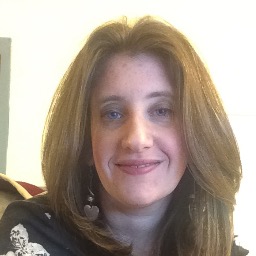
Claudia Stoscheck
LCSW
New York - 30 yrs exp










How gender dysphoria therapy works for New York residents
If you are seeking support for gender dysphoria in New York, therapy typically begins with an intake conversation to clarify your goals, history, and immediate needs. You can expect your clinician to ask about your gender experience, mental health history, relationships, and any medical steps you are considering. Therapy is collaborative - you and your therapist will develop a plan that may include coping strategies for distress, support around social transition, and coordination with medical providers if you pursue hormone therapy or surgeries.
Because New York is a large state with diverse communities, services may look different depending on where you live. In New York City you may find clinicians with deep experience in gender-affirming care, while in smaller cities like Buffalo or Rochester therapists may offer broader general practice with specific training in transgender health. Many New Yorkers combine in-person care with online sessions to maintain continuity when schedules or travel make regular appointments difficult.
Finding specialized help for gender dysphoria in New York
When you begin looking for a therapist, consider credentials and experience as one piece of the decision. Licensed clinicians in New York hold titles such as LCSW, LMHC, PsyD, PhD, or MD in psychiatry. It is helpful to read profiles and look for explicit references to gender-affirming work, letters of support for medical steps if you need them, and experience working with people at similar stages of transition. You can also ask prospective therapists about their familiarity with New York laws and resources that affect care and documentation.
Access varies across regions. In New York City you will often have a broad range of specialized services and community resources, while in places like Albany or Syracuse you may rely more on teletherapy to reach clinicians with specific expertise. Many community health centers and LGBTQ+ organizations in urban areas provide referrals or host clinicians who concentrate on gender-related care. If insurance is part of your plan, check whether a clinician accepts your plan before booking an appointment, and ask about sliding scale or reduced-fee options if cost is a concern.
Working with medical teams
If you are pursuing medical interventions, therapy often interacts with medical care. Therapists may help with readiness assessments, prepare supporting documentation, and coordinate referrals to endocrinologists or surgeons. In New York City you may find integrated clinics that offer both mental health and medical services, making coordination easier. In other regions you may need a therapist who will communicate with out-of-area medical providers or guide you toward trusted referrals. Always confirm a clinician's experience with letters and referrals before assuming they will provide a particular service.
What to expect from online therapy for gender dysphoria
Online therapy can expand your options, especially if you live outside major metropolitan areas. With virtual sessions you can connect with therapists who specialize in gender-affirming care regardless of their physical location. You should expect an initial telehealth intake to cover technology needs, scheduling, informed consent, and limits of remote work. Therapists will discuss personal nature of sessions protections and how they manage records and communications, and they will outline what to do in a crisis. Make sure you have a reliable internet connection and a quiet, comfortable environment for sessions.
Differences between in-person and online work are practical as well as relational. Some people find it easier to speak openly from home, while others prefer the structure of an office visit. If you anticipate needing coordination with local medical providers, ask how the therapist will handle referrals, documentation, and collaboration. In cities like Buffalo and Rochester, hybrid models - combining occasional in-person visits with regular online sessions - are common and can offer flexibility without sacrificing continuity.
Common signs that someone in New York might benefit from gender dysphoria therapy
You might consider gender dysphoria therapy if you experience persistent distress or dissatisfaction related to your gender assigned at birth and the way you are perceived by others. This distress can show up as depression, anxiety, difficulty sustaining relationships, avoidance of social situations, or problems at work or school. You may find it hard to navigate name or gender marker changes, respond to unsupportive reactions from family or peers, or manage the emotional ups and downs of medical transition. Therapy can also help if you are questioning your gender and want a space to explore identity without pressure to make immediate decisions.
Symptoms vary from person to person, and the need for support is not tied to any one experience. People from all parts of New York - whether living in dense, diverse neighborhoods in New York City or in smaller towns upstate - may benefit from therapeutic help to cope with stigma, find community, and plan next steps. Seeking therapy early can make it easier to develop strategies for daily life and long-term goals.
Tips for choosing the right therapist for this specialty in New York
Start by clarifying what you hope to accomplish in therapy. Do you need support with social transition, assistance with documentation, coping skills for distress, or ongoing counseling through medical steps? Use those goals to guide your search. Read clinician profiles carefully for language that signals gender-affirming practice and look for specific mention of experience with trans, nonbinary, and gender-diverse clients. Ask about training, typical caseload, and how they approach letters or referrals if you anticipate needing them.
When you contact a therapist, prepare a few questions that matter to you - for example, how they handle misgendering or family dynamics, their stance on gender-affirming care, and their availability for emergencies or urgent needs. You can also ask how they adapt therapy to cultural differences that might be relevant in New York's diverse communities. If you have concerns about cost, inquire about sliding scale fees or whether they accept the insurance plans you have. If you are a student, military family member, or part of another group with access to specific resources, ask whether the therapist has experience with those circumstances.
Practical considerations
Visit policies on documentation and intake forms in advance so you understand what personal information you will share and how appointments are scheduled. Check whether the clinician offers evening or weekend hours if you have work or school commitments. If online appointments are an option, ask how technology will be used and what to expect in terms of session length and cancellations. Remember that finding the right fit can take a few conversations - many therapists offer brief phone or video consultations so you can assess rapport before committing to regular sessions.
Beginning therapy and next steps in New York
Once you choose a therapist, your early sessions will likely focus on building safety, clarifying goals, and developing immediate coping tools. You and your therapist will set a pace that fits your needs, whether that means short-term focused work or longer ongoing support. In New York City you may quickly find community resources, support groups, and allied medical providers; in other cities such as Buffalo or Rochester you may need to seek referrals or combine teletherapy with local supports. Either way, your therapist can help you navigate local systems for name changes, documentation, and accessing medical care when appropriate.
Finding the right therapist for gender dysphoria care in New York is a process that benefits from preparation, clear communication, and attention to practical matters like insurance and scheduling. By focusing on clinicians who explicitly work with gender-diverse clients and by asking targeted questions about approach and experience, you increase the chances of finding a compassionate, competent partner for your care. If you are ready, start by reviewing the profiles below and reach out to a few therapists to learn more about how they can support your journey.