Find a Hospice and End-of-Life Counseling Therapist in New York
This page lists therapists who specialize in hospice and end-of-life counseling across New York. Browse the listings below to compare qualifications, areas of focus, and locations to locate a suitable provider.


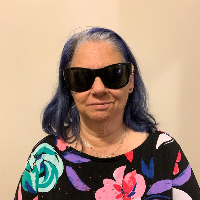







Claudia Stoscheck
LCSW
New York - 30 yrs exp












How hospice and end-of-life counseling works for New York residents
Hospice and end-of-life counseling in New York is focused on support for people facing serious illness, their families, and loved ones as they make decisions, manage practical matters, and process complex emotions. Counseling can be provided in a range of settings - in-home visits coordinated with hospice agencies, outpatient clinics, hospital-based programs, and virtual sessions. Many therapists work alongside hospice interdisciplinary teams to align emotional and practical care, while others offer individual or family-focused counseling that addresses grief, anticipatory loss, legacy planning, and communication about goals of care.
Therapists who focus on end-of-life issues often combine short-term, problem-focused approaches with longer-term support for grieving and adjustment. You may meet with a licensed clinical social worker, licensed mental health counselor, psychologist, or another clinician who has training in bereavement, palliative care communication, or trauma-informed approaches. In New York, those professionals typically hold state licensure, and they may also carry certifications or extensive experience with hospice settings.
Finding specialized help for hospice and end-of-life counseling in New York
When you are searching for a therapist in New York, begin by considering the setting and level of involvement you need. If you are already connected with a hospice program, ask the care team for recommendations - hospice providers often maintain relationships with counselors who understand the demands of end-of-life care. If you are seeking services independently, use the directory filters to narrow by location, clinical focus, and insurance. In densely populated areas such as New York City you will find many clinicians with specialized training and multilingual offerings. In upstate communities like Buffalo, Rochester, Albany, and Syracuse, there are both clinicians affiliated with regional hospice organizations and independent practitioners who provide in-person and teletherapy options.
Keep in mind that therapists who work regularly with hospice populations may advertise experience in family systems, grief counseling, advance care planning conversations, or caregiver support. You can inquire during an initial consultation about prior work with hospital teams, experience with complex medical decisions, and familiarity with common emotional responses during the end-of-life phase. Verifying licensure and asking about relevant training will help you understand whether a clinician is a good fit for your circumstances.
What to expect from online therapy for hospice and end-of-life counseling
Online counseling can be a practical option for New York residents who need flexible scheduling, cannot travel easily, or live far from specialized providers. Remote sessions typically take place via video or phone and can address emotional coping, advance care conversations, family mediation, and grief processing. Many therapists will combine virtual sessions with occasional in-person visits if that is important for you and if the clinician’s scope of practice allows it. For ongoing involvement with hospice teams, therapists often coordinate care through text-based messaging and scheduled conferences, while protecting the dignity and comfort of the person receiving care.
When you choose online therapy, expect the clinician to review practical details like session length, communication methods between sessions, and how emergencies or crises will be handled. Because licensure rules apply, therapists providing ongoing clinical care to someone in New York will generally be licensed to practice in New York State. You should also clarify insurance coverage for teletherapy, whether sessions can be billed to Medicare or Medicaid where applicable, and whether the therapist offers sliding scale fees if cost is a concern.
Common signs that someone in New York might benefit from hospice and end-of-life counseling
You might consider hospice and end-of-life counseling when recurring anxiety or depression accompanies a serious diagnosis, when family communication becomes strained, or when decision-making about treatment goals and advanced directives feels overwhelming. Caregivers often seek counseling when caregiver burden affects daily functioning or when anticipatory grief interferes with quality of time together. You may notice persistent sleep disturbance, intrusive worries about symptom control, avoidance of meaningful conversations, or difficulty facing practical tasks related to end-of-life planning - these are common triggers for reaching out to a professional.
Additionally, transitions such as a new prognosis, hospital discharge, or change in hospice status can bring fresh emotional challenges. In metropolitan areas like New York City, culturally specific needs and language preferences may shape the type of counseling you seek, while in cities such as Buffalo and Rochester access to in-home counseling or community hospice bereavement groups may be especially valuable. Therapy can help you navigate those transitions by offering coping strategies, communication tools, and support for values-based decision making.
Tips for choosing the right therapist for this specialty in New York
Start by identifying the kind of support you want - individual therapy for the patient, family counseling, caregiver support, or bereavement care after a loss. Look for clinicians who list end-of-life, bereavement, palliative care, or hospice counseling among their specialties. During an initial call or consultation, ask about the therapist’s experience with similar cases, their typical approach to end-of-life conversations, and how they coordinate with medical teams when needed. You may also want to inquire about cultural competency, language abilities, and whether the therapist has experience assisting with spiritual or legacy work if that matters to you.
Consider practical factors like location, availability for home or hospital visits, teletherapy options, fees, and insurance acceptance. In New York City you may find clinicians who offer evening hours and multilingual sessions; in smaller cities like Albany or Syracuse you might prioritize therapists who provide both in-person and virtual care. If you have concerns about cost, ask whether sliding scale arrangements are available or whether sessions can be billed through insurance or hospice programs. Trust your sense of rapport during the first few sessions - a good fit typically includes feeling heard, having your values respected, and receiving clear guidance on next steps.
Working with other caregivers and professionals
Expect that many hospice and end-of-life counselors will collaborate with case managers, nurses, chaplains, and physicians as part of a broader care plan. If you want the therapist to coordinate with a hospice team or medical provider, discuss consent and communication preferences up front. Collaboration can help align emotional support with symptom management and practical arrangements, and it can ensure that everyone involved is working toward shared goals for comfort and dignity.
Final considerations
Choosing counseling during a serious illness or at the end of life is a personal decision, and the right match will depend on your needs, values, and logistics. Take time to review profiles, ask focused questions, and arrange an introductory session to get a sense of style and approach. Whether you are in a busy borough of New York City or a smaller community like Buffalo, Rochester, Albany, or Syracuse you can find clinicians who understand the unique challenges of end-of-life care. With thoughtful selection and clear communication, therapy can provide meaningful support for you and your loved ones during difficult transitions.