Find an Intellectual Disability Therapist in New York
This page lists professionals who specialize in intellectual disability care throughout New York State. Explore profiles below to find practitioners in your area and learn about their approaches before reaching out.

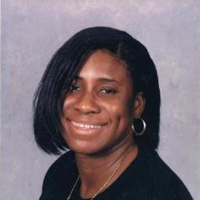
Dr. Colleen Downes
LCSW
New York - 35 yrs exp




















How intellectual disability therapy works for New York residents
If you are looking for therapy related to intellectual disability in New York, you will often find that services are delivered through a team-based model that adapts to the needs of the individual. Therapy can include behavioral approaches, skill-building, communication supports, family counseling, and coordination with educational or developmental services. Providers typically focus on practical goals such as improving daily living skills, enhancing communication, reducing distressing behaviors, and supporting social participation. In New York, therapists work alongside schools, case managers, and community programs to create plans that reflect local resources and regulations.
Care that fits your daily life
You should expect a personalized plan that considers where you live - whether that is in New York City, Buffalo, Rochester, Albany, or Syracuse - and how services will be accessed. Some families prefer clinic-based visits, while others integrate therapy into home, school, or community settings. Because needs can span many areas of daily life, therapists often coordinate with speech therapists, occupational therapists, and educational staff to ensure goals are realistic and connected to everyday routines.
Finding specialized help for intellectual disability in New York
When you begin your search for a therapist, look for professionals who list intellectual disability among their areas of focus and who describe experience working with the age group you need - children, adolescents, or adults. In larger population centers like New York City you may find a wider range of specialty providers, while in smaller cities and suburban areas therapists may offer blended expertise across developmental and behavioral health. You can use directory filters to narrow options by location, language, insurance, and modalities offered. Asking how a therapist collaborates with schools or state services can give you a clearer sense of their experience navigating New York systems.
Local resources and coordination
New York offers a mix of public and private resources that can complement therapy. Many therapists work alongside local developmental services and community programs to help with assessments, service planning, and access to supports. If you are involved with school-based services or local developmental agencies, a therapist who is familiar with those processes can help integrate clinical goals with educational and social supports. In cities like Buffalo and Rochester, community centers and nonprofit programs may also offer complementary activities that reinforce therapeutic goals in real-world settings.
What to expect from online therapy for intellectual disability
Online sessions can be a practical option if travel is difficult or if you live in a part of New York with fewer local specialists. Teletherapy often involves video meetings that include the person receiving services and, when helpful, family members or caregivers. You should expect the therapist to use structured activities, visual supports, and clear session plans so time is productive. For some people, teletherapy works best when paired with in-person visits or when a caregiver helps carry over strategies between sessions.
Practical considerations for virtual care
Before starting online therapy, discuss technology needs, session length, and how progress will be monitored. You may want to confirm whether the therapist provides materials you can use offline and how they involve other members of your support network. In larger urban areas such as New York City, some therapists offer hybrid arrangements with occasional in-person visits to supplement virtual work. If you live in upstate regions or on Long Island, teletherapy can expand your options by connecting you with specialists who are not nearby.
Common signs someone in New York might benefit from intellectual disability therapy
If you notice persistent challenges with everyday tasks, communication, learning new routines, or managing behaviors that interfere with participation at home, school, or work, therapy may help. You might observe that basic self-care tasks are harder than expected for the person’s age, or that social interaction and understanding are limited in ways that cause frustration. Families often seek support when behavior leads to frequent conflicts, when transitions are unusually difficult, or when the person is isolated from peers. While these signs do not describe every situation, they can be prompts to explore assessment and targeted supports so you can identify practical strategies and measurable goals.
Age-specific considerations
For children, early intervention and coordination with schools can make daily activities and learning more accessible. For adolescents, therapy often emphasizes skills for independence and community involvement. For adults, supports may relate to vocational goals, independent living, and social connections. Wherever you are in New York State, thinking about the next stage of life can help you prioritize the types of therapy and services to pursue.
Tips for choosing the right therapist for this specialty in New York
Start by clarifying what you want to accomplish - whether it is communication skills, adaptive routines, behavior support, or family guidance. When reviewing profiles, pay attention to training and experience with intellectual disability and to examples of previous work or clinical approaches. It helps to read descriptions of how therapists involve caregivers and other professionals, and to ask directly about their experience with coordinated care in school or community settings. You should also consider practical factors such as location, availability, insurance acceptance, and whether the provider offers evening or weekend appointments.
Questions to ask during an initial contact
When you contact a therapist, ask about their approach to goal-setting, how progress is measured, and how they involve families or support teams. Inquire about their experience with people who have similar needs and whether they track outcomes in ways that matter to you. If language access or cultural responsiveness is important, confirm those capabilities. In cities like New York City there may be more options for multilingual clinicians, whereas in smaller communities you may want to ask about remote possibilities or referral networks.
Making therapy work in your daily routine
Once you choose a therapist, set clear, realistic goals and plan how strategies will be used across settings - home, school, work, and the community. Regular communication between you and the provider helps keep goals aligned and lets you adjust plans as needs change. If you rely on multiple providers, ask about how the therapist will coordinate care and share progress while respecting your preferences about information sharing. Over time, therapy should feel integrated with daily routines so gains are practical and sustainable.
Whether you live in the five boroughs, in Buffalo, Rochester, Albany, Syracuse, or elsewhere in New York, finding a provider who understands the local landscape and your personal goals can make a meaningful difference. Use profiles to compare approaches, reach out with questions, and choose someone who fits your needs and communication style. Taking that first step can open pathways to skill development, greater participation, and stronger supports across your community.