Find a Life Purpose Therapist in New York
This page highlights therapists in New York who specialize in life purpose work, including clinicians practicing in New York City, Buffalo, Rochester, Albany, and Syracuse. Browse the listings below to compare approaches, read profiles, and connect with a therapist who fits your goals.












Iesha Whitaker
LCSW
New York - 8 yrs exp
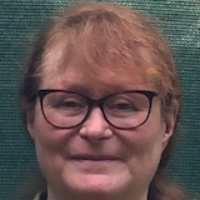




Josephine Ovalles
LCSW
New York - 13 yrs exp







How life purpose therapy works for New York residents
Life purpose therapy is an exploratory, goal-oriented form of counseling that helps you examine values, strengths, and meaningful priorities so you can make clearer choices about work, relationships, and daily habits. In New York, therapists blend a range of evidence-informed methods to help you surface what matters most and translate insights into practical steps. Sessions often begin with questions about what you find energizing and what feels draining, then move toward identifying patterns that have shaped your decisions. Over several sessions you and your therapist will create a personalized plan that addresses both big-picture direction and small, achievable actions you can take between meetings.
Because New York is diverse in lifestyle and opportunity, therapists adapt their methods to fit where you live and what your life looks like. Someone in the fast-paced neighborhoods of New York City may focus on aligning career ambition with personal fulfillment, while a person in a smaller community might explore how local values and family ties influence choices. Your therapist will consider cultural and economic realities that shape options in your region so that recommended steps feel realistic and applicable.
Approaches and techniques you may encounter
Therapists who work on life purpose commonly draw from existential, humanistic, narrative, and strengths-based approaches. Existential work invites you to confront questions of meaning and responsibility, while narrative techniques help you rewrite limiting stories that have guided your life so far. Practical tools include values clarifications, goal-setting frameworks, and behavioral experiments that let you test new ways of acting without committing to major life changes immediately. Many clinicians also integrate career counseling skills for people whose search for purpose is closely tied to professional direction.
Finding specialized help for life purpose in New York
When you search for a life purpose therapist in New York, look for clinicians who explicitly note experience with meaning-making, career transitions, or identity exploration in their profiles. Local experience can matter - therapists who have worked with clients in New York City understand the pressures of a high-cost, high-competition environment, while practitioners near Buffalo or Rochester may bring insight into regional job markets and community resources. You can also consider therapists who list specialties such as midlife transitions, grief and loss, or vocational coaching, since these areas often overlap with work on life purpose.
Licensing and professional background are important to review. While licenses indicate formal clinical training, descriptions of therapeutic orientation and examples of past client work will give you a clearer sense of fit. Many therapists share whether they use structured models or a more open-ended, exploratory style. If you have cultural or linguistic preferences, search for clinicians who highlight that experience so you can work with someone who understands your context and identity.
Where local resources intersect with therapy
New York offers a broad network of community organizations, professional groups, and continuing education opportunities that can complement therapy. In large urban centers you might find meetups, workshops, and volunteer programs that let you experiment with new roles and social circles. In more suburban or rural parts of the state, community centers and colleges may host programs focused on lifelong learning and career skill-building. Your therapist can help you identify local opportunities to reinforce changes you explore in sessions, turning abstract goals into concrete experiences.
What to expect from online therapy for life purpose
Online therapy expands your options when you are seeking a life purpose clinician in New York. Virtual sessions let you connect with therapists across the state, which can be especially useful if you live outside major cities or prefer a practitioner whose approach you strongly resonate with. Online work typically follows the same structure as in-person therapy - assessment, goal-setting, and regular sessions - but offers greater flexibility in scheduling and the ability to meet from home, a workplace break, or between commitments.
Effective online life purpose therapy relies on a stable connection and a setting where you can speak openly. You should expect your therapist to discuss session logistics, communication boundaries, and what to do in case of an interruption or emergency. Many clinicians use screen-sharing and digital worksheets to support values exercises and goal tracking, allowing you to build a record of progress that you can revisit between sessions. If you live in New York City and face a hectic schedule, or you are in Buffalo or Rochester with limited local options, online therapy can bridge gaps while maintaining a consistent therapeutic relationship.
Common signs that you might benefit from life purpose therapy
You might consider life purpose therapy if you feel stuck despite outward success, if transitions such as job changes or relationship endings leave you questioning your direction, or if a sense of emptiness or dissatisfaction persists even when basic needs are met. People often seek this work after a milestone - graduation, a move, or caregiving responsibilities - when long-held assumptions no longer fit. You might notice recurring feelings of indecision, a pattern of switching jobs without long-term fulfillment, or difficulty committing to choices because you are unsure they align with your deeper values.
In New York, the pace and options available can intensify these feelings. If you are comparing yourself to peers in New York City or feeling pressure to follow a socially defined path, therapy can help you separate external expectations from internal priorities. Similarly, if local community norms in cities like Buffalo or Rochester influence your decisions in ways that no longer feel authentic, working with a therapist can give you tools to navigate those tensions with more clarity.
Tips for choosing the right life purpose therapist in New York
Begin by identifying what matters most to you in therapy - whether you want a structured plan, deeper philosophical exploration, or a mix of both. Read therapist profiles to learn about their theoretical orientation and experience with life transitions, career change, or value-focused work. Pay attention to descriptions of the kinds of clients they have worked with and any cultural competence statements that align with your background.
When you contact a potential therapist, ask about their typical process for life purpose work, how they measure progress, and what a realistic timeline might look like. Discuss logistics such as availability, session length, and whether they offer in-person meetings in New York City or other locations like Rochester, or only provide services online. Trust your initial impressions - the right match often feels like a balance between professional expertise and personal rapport. If you do not feel comfortable after a few sessions, it is reasonable to try a different clinician until you find one who helps you move toward clearer, more satisfying decisions.
Making the first step
Deciding to explore life purpose is itself a meaningful action. Whether you are drawn by a desire to change careers, to realign your relationships, or to create daily routines that feel more authentic, a therapist can guide you through reflective exercises and practical experiments that reveal what matters most. Use the listings on this page to compare approaches, read about therapists who work throughout New York, and reach out for an introductory conversation. A first session is an opportunity to see how a clinician frames your questions and whether their methods fit your needs as you work toward greater clarity and direction.
Life purpose work is a process rather than a single event. As you explore options and take steps forward, you can build a life that reflects both your responsibilities and your deeper aspirations. In a state as varied as New York, the right therapist can help you translate possibility into a plan that fits your day-to-day reality and supports long-term meaning.